Comprehensive Coverage for Seniors in Michigan
Comprehensive coverage isn't priced differently because of age alone, but how your insurer weighs your record and your car can shift the cost either way.
Yes, and your age isn't the deciding factor
Comprehensive coverage pays for damage to your car from things other than a crash, like weather, theft, or a deer in the road. In Michigan, nothing about this coverage changes once you turn a certain age. You can buy it, keep it, or drop it the same way any driver does.
What does change as you get older is how your insurer looks at the whole picture. Your driving record, the car you drive, and any discounts you qualify for all matter more than your birth date. Some insurers offer a lower rate for mature drivers who've completed an approved safety course. Others look mainly at how long you've held your license and how clean your record is.

Your driving record still carries the most weight
Insurers set comprehensive and collision rates partly based on your overall claims history and driving record, not just your age. A long record with no at-fault accidents or claims works in your favor no matter how old you are.
If you've had a recent claim, even one that wasn't your fault, ask your insurer how it affects your comprehensive premium specifically. Some claims, like a windshield repair, are rated differently than an at-fault collision claim.
If your record is clean, ask whether you qualify for any accident-free or claims-free discount. These aren't tied to age, but older drivers often qualify simply because they've driven longer without an incident.
The car itself matters more as it ages
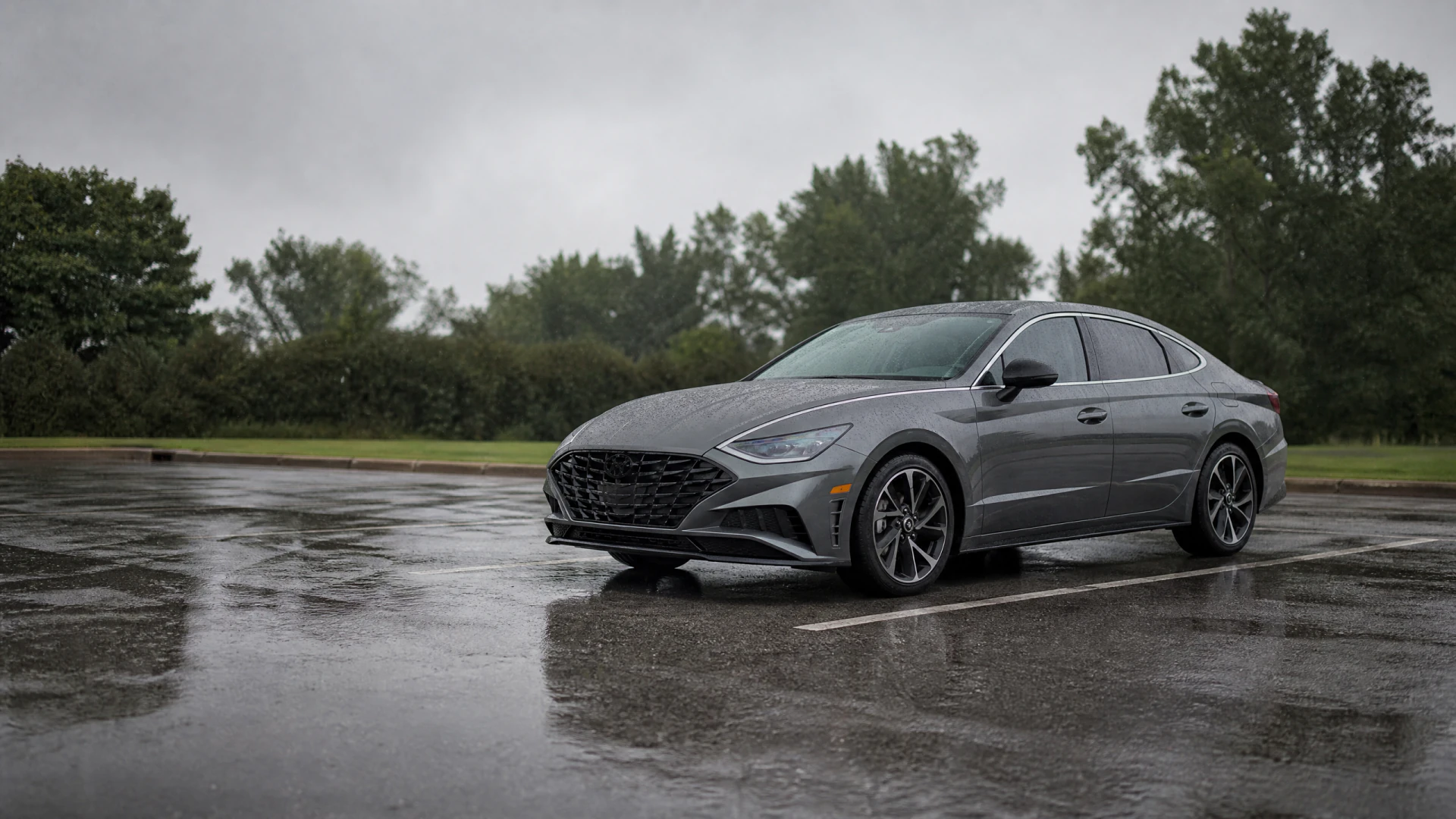
Comprehensive coverage is priced against your car's value, so what you drive affects the cost as much as who's driving it. An older car with a lower market value costs less to insure for comprehensive coverage, because the most your insurer would pay out in a total loss is capped at that value.
If your car is older and largely paid off, it's worth asking your insurer or agent what the car is currently valued at and whether comprehensive coverage still makes financial sense at that price. There's no rule that says you must carry it once a loan is paid off.
If you're driving less than you used to, ask whether your insurer offers a lower mileage rate. Some do adjust pricing based on how much you're actually on the road, which can lower your comprehensive premium even if nothing else about your policy changes.
Questions people ask about this
Do I still need comprehensive coverage once my car loan is paid off?
No lender requires it once the loan is paid off, so it becomes your choice. Weigh the cost of the coverage against what your car is currently worth and what you could afford to repair or replace out of pocket. If the car's value is low, dropping comprehensive coverage may make more financial sense than keeping it.
Does a mature driver safety course lower my Michigan premium?
It depends on your insurer. Some Michigan insurers offer a discount for completing an approved course, but they usually need you to send them the completion certificate directly. Ask your insurer or agent whether they recognize the course you're considering before you pay for it.
Will my comprehensive coverage go up if I stop driving as much?
It shouldn't go up, and it may go down. Many insurers ask about estimated annual mileage when setting your premium, and driving less can qualify you for a lower rate. Tell your insurer if your driving habits have changed since you last renewed.
Can my insurer drop my comprehensive coverage because of my age?
An insurer can choose not to renew a policy for reasons tied to risk, but age by itself isn't a legal reason to cancel coverage in Michigan. If you're ever told your age is the reason for a non-renewal, ask for the specific reason in writing and check it against Michigan's insurance regulations.
Should I keep comprehensive coverage if I'm only driving short distances now?
Comprehensive coverage protects against things like theft, weather, and vandalism, not just accidents while driving, so it still has value even if you drive less. The decision comes down to your car's worth and what you'd want covered if something happened to it while parked.
See how different insurers price comprehensive coverage for your situation before you renew.

Pull out your current renewal notice and your driving record for the past few years. Call your insurer or agent and ask directly how your age, your mileage, and any course certificates affect your comprehensive premium. Ask what your car is currently valued at, since that number drives the cost of this coverage more than anything else. If you're comparing other insurers, have your current policy details on hand so you can compare the same coverage limits side by side. Confirm any discount in writing before you count on it showing up in your next bill.