Comprehensive Coverage for Seniors in Oklahoma
Comprehensive coverage in Oklahoma covers the same things at any age. Your age mostly affects what you pay for it.
Comprehensive coverage doesn't change based on your age
Comprehensive coverage pays for damage to your car from something other than a crash, like hail, a deer, theft, or a cracked windshield. Oklahoma doesn't require it, but if you're still paying off your car or your lender requires it, you'll need to carry it. If your car is paid off, it's your choice whether to keep it.
What changes as you get older isn't the coverage itself, it's the premium and whether carrying it still makes sense for your car. An older car with a lower value may cost more to insure than it's worth protecting with comprehensive coverage. That's a math question about your specific car, not a rule about your age.
Your car's value decides whether comprehensive is worth keeping
Comprehensive coverage pays out up to your car's actual cash value, minus your deductible. If your car is older and worth less, the most you could ever collect on a claim is smaller too.
At some point, the premium you're paying for comprehensive coverage can get close to what the coverage would actually pay you if something happened. When that happens, some drivers choose to drop it and set aside the money they'd have spent on premiums instead.
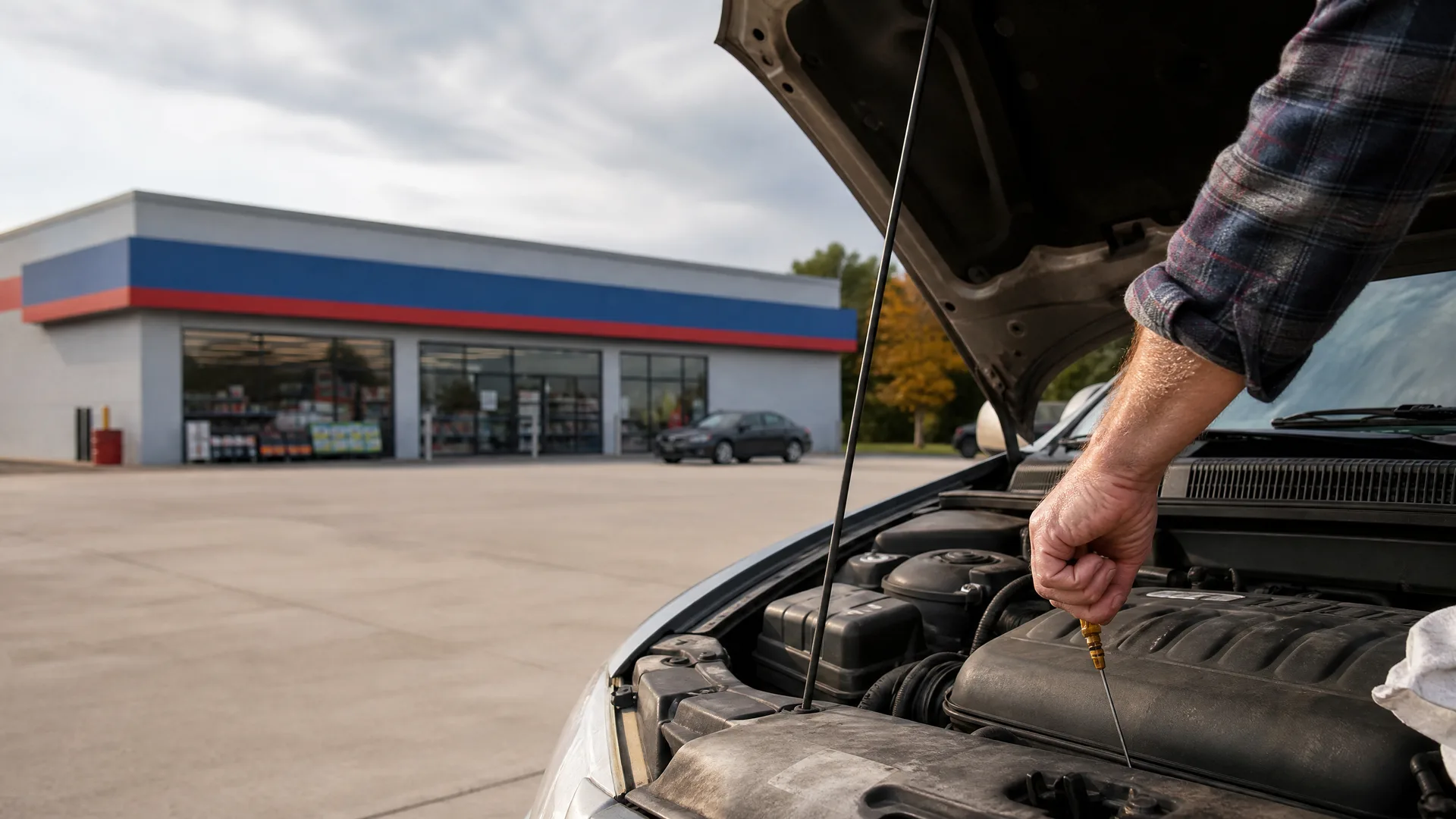
To figure out where you stand, ask your insurer what your car's current value is and compare that to what you're paying for comprehensive coverage over a year. There's no age cutoff involved. It's a calculation that applies to any driver with an older, lower-value car.
Oklahoma lets insurers set their own rules for pricing by age
Insurers in Oklahoma can factor in age when they price a policy, and some use it differently than others. One company might raise your premium gradually as you get older. Another might not weight age heavily at all, and instead focus more on your driving record or how much you drive.
This means two drivers with the same age, same car, and same comprehensive coverage can get different quotes from different insurers. If your premium went up at renewal, it's worth asking your insurer directly what changed, your age, your car's value, a claim in your area, or something else.
Because insurers vary this way, comparing quotes from more than one company often turns up a better price for the same comprehensive coverage you already have.
Questions people ask about this
Does comprehensive coverage cost more for seniors in Oklahoma?
It depends on the insurer, not a fixed rule. Some insurers adjust pricing by age bracket and others weigh your driving record or claims history more heavily. Ask your insurer directly how age factors into your premium if you want a clear answer.
Can I drop comprehensive coverage on a paid-off car in Oklahoma?
Yes, if your car is paid off and you don't have a lender requiring it, comprehensive coverage is your choice. Weigh what you're paying in premiums against what your car is currently worth before deciding.
Will a defensive driving course lower my comprehensive premium in Oklahoma?
It depends on your insurer's rules, since discounts for completed courses aren't universal. If you take a course, ask your insurer whether they offer a discount for it and what they need from you, usually a certificate, to apply it.
Does Oklahoma require a vision test to renew my driver's license as a senior?
Vision and license renewal rules are set by the state, not your insurer, so check directly with the Oklahoma driver licensing agency for the current renewal requirements tied to your age. These rules don't affect your comprehensive coverage itself.
How do I find out what my car is worth before deciding on comprehensive coverage?
Your insurer can tell you your car's current actual cash value, since that's the number they'd use to settle a claim. You can also check vehicle valuation guides on your own to get a sense of the range before you call.
See what other insurers would charge you for the same comprehensive coverage.
Pull out your current policy and find your comprehensive premium and deductible. Call your insurer and ask what your car's actual cash value is right now. Compare that value to what you're paying annually for comprehensive coverage to see if it still makes sense to carry. If you've taken a defensive driving course recently, ask whether your insurer offers a discount and what paperwork they need. Then get quotes from a few other insurers for the same coverage to see whether you're paying more than you need to.