Comprehensive Coverage for Seniors in Pennsylvania
Comprehensive coverage works the same way at any age, but what you pay for it and whether it still makes sense depends on your car and your driving habits.
Yes, comprehensive coverage is worth looking at, and age itself isn't the deciding factor
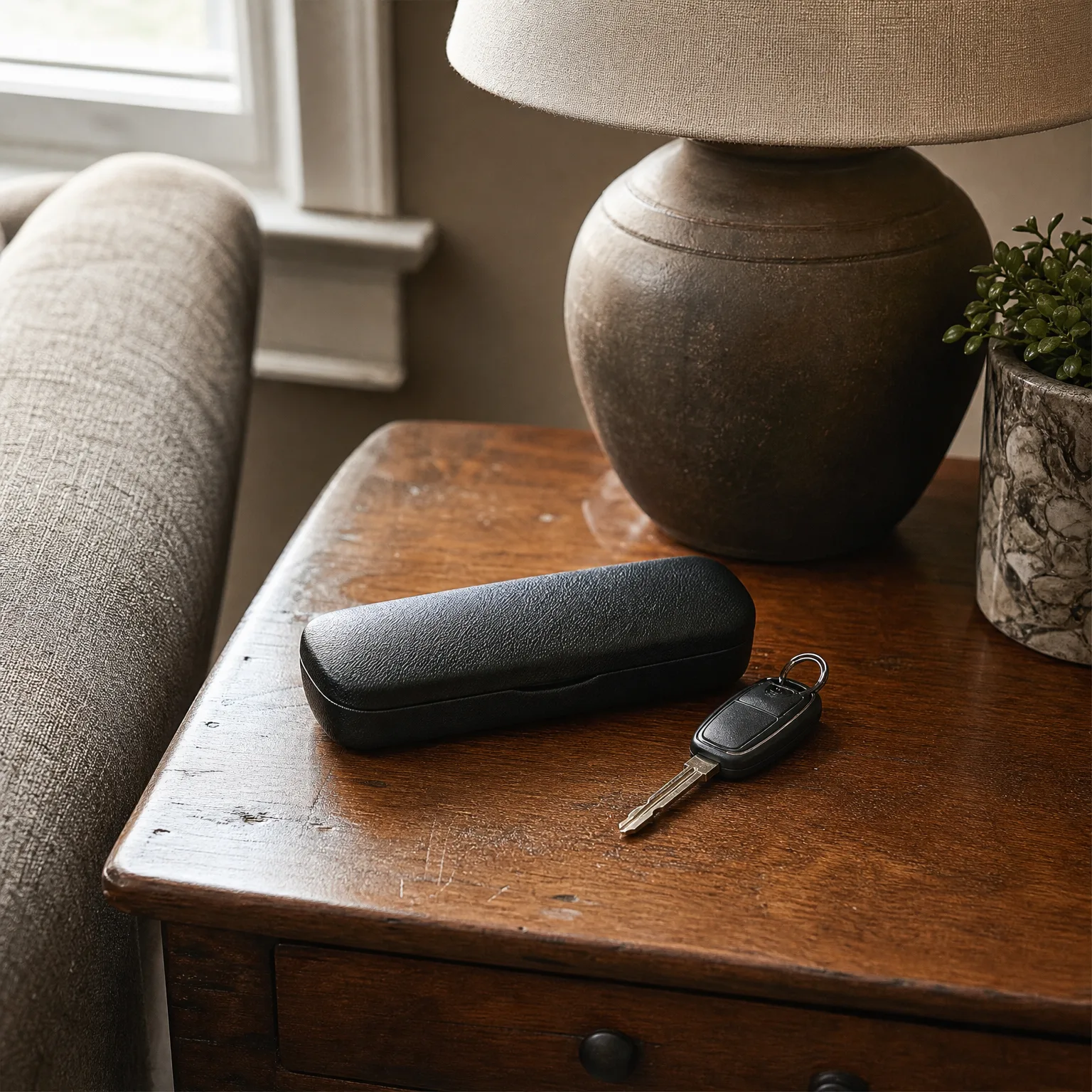
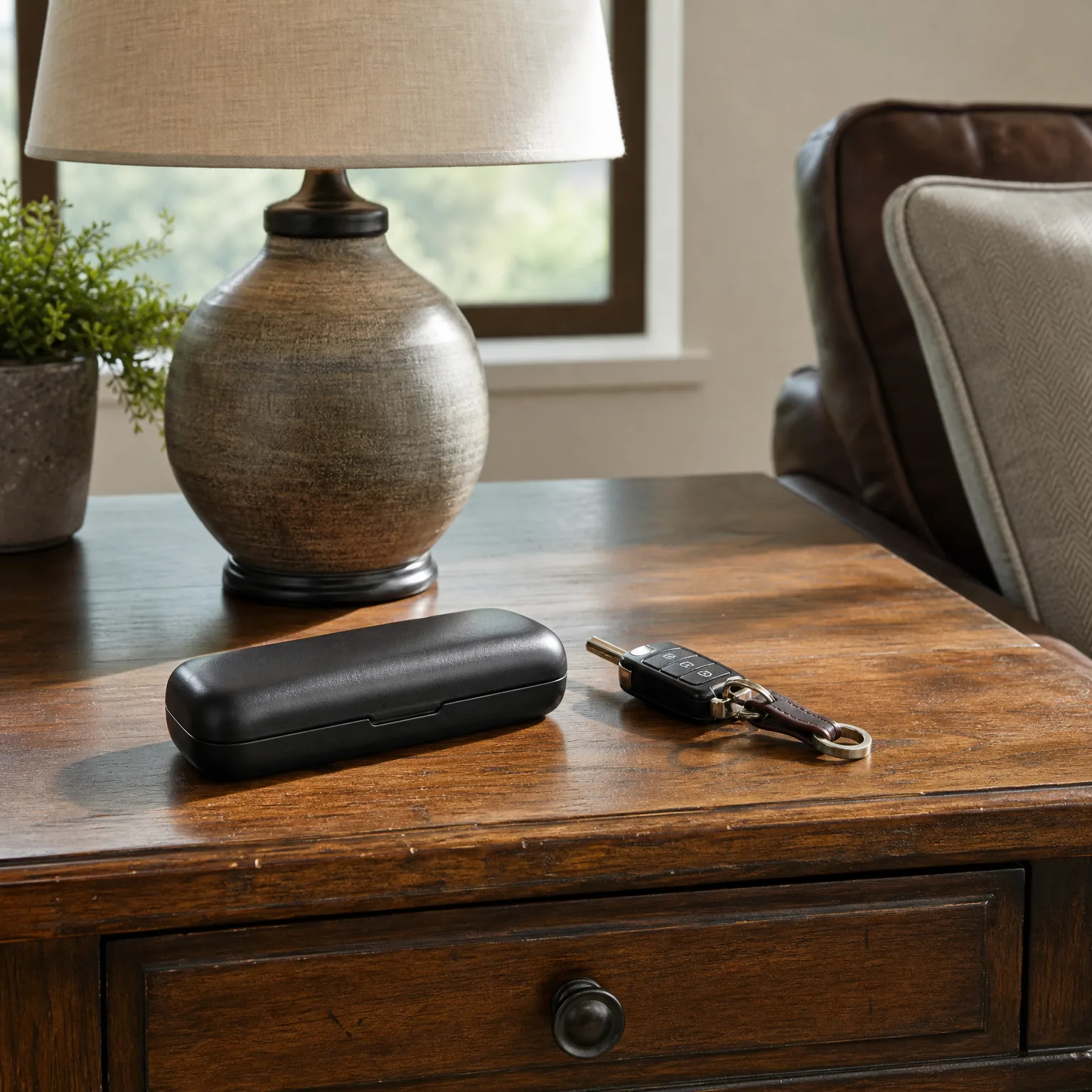
Comprehensive coverage pays for damage to your car that isn't a collision. Deer strikes, hail, a cracked windshield, theft, a tree branch in a storm. Pennsylvania doesn't require it, but if you have a loan or lease on the car, your lender probably does.
Whether it's worth keeping once the car is paid off comes down to what your car is worth and what the coverage costs you each year, not your age. A retired driver with a ten-year-old sedan faces a different math problem than one with a car that's two years old. Your insurer can tell you what you'd actually get back if you filed a claim, which is the number that matters here.
What your car is worth now
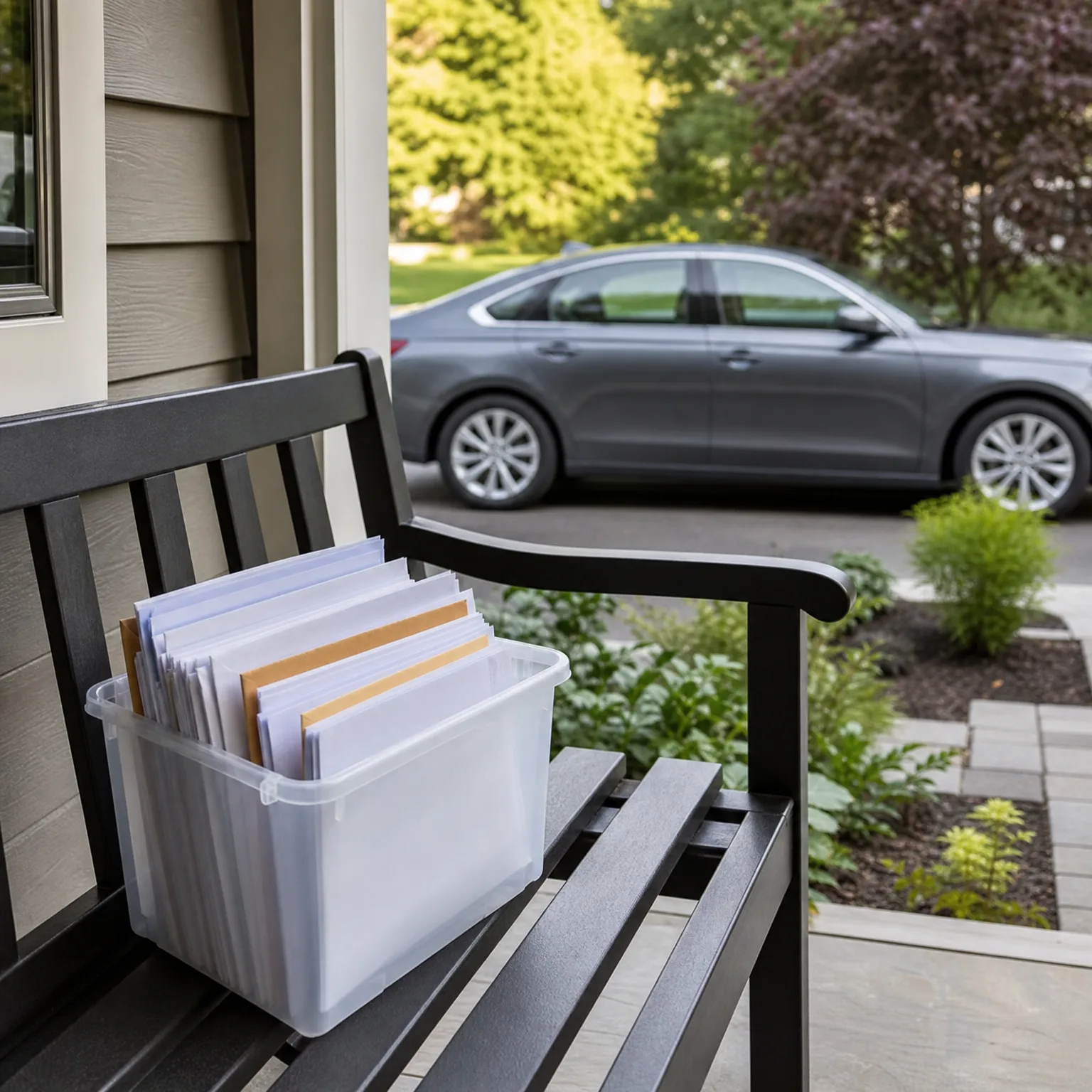
Comprehensive coverage pays out up to your car's current market value, minus your deductible. As a car ages, that value drops every year, and the coverage drops with it.
At some point, the yearly cost of comprehensive coverage gets close to what the car would pay out if something happened to it. That's the moment to ask your insurer directly what your car would be valued at today and compare that to what you're paying for the coverage.
This has nothing to do with how well you drive or how long you've held a policy. It's a question about the car, and it's worth asking every time your renewal comes in, not just once.

Discounts you may have earned but haven't claimed
Many insurers lower your premium for things that become more common later in life. A defensive driving course built for older drivers is one. Some insurers also factor in low annual mileage, which tends to come with retirement.
None of these apply automatically. You usually have to send your insurer the course certificate or update your mileage estimate yourself. If you took a course or you're driving less than you used to and your rate hasn't changed, that's worth a call.
Ask your agent directly which discounts Pennsylvania allows for your policy and what they need from you to apply each one. The list isn't the same at every company.
Questions people ask about this
Does Pennsylvania require comprehensive coverage for older drivers?
No. Pennsylvania doesn't require comprehensive coverage for any driver, regardless of age. The only coverage the state requires is liability. Comprehensive becomes mandatory only if a lender requires it as a condition of financing your car.
Will my comprehensive coverage cost more once I turn 65?
Not because of the birthday itself. Insurers set rates based on a mix of factors, and age is one input among several, not a trigger. If your rate changes around that time, ask your insurer to show you what specifically changed, since it may be unrelated to your age.
Can I drop comprehensive coverage if my car is paid off?
Yes, once there's no lender requiring it, dropping comprehensive is your choice. Before you do, ask your insurer what your car would be valued at in a claim today, so you're comparing that number against what you're currently paying for the coverage.
Does a clean driving record lower my comprehensive premium?
It can help your overall rate, but comprehensive specifically covers non-collision events like theft or weather damage, so your driving record matters less for this piece than it does for liability or collision coverage. Ask your insurer which parts of your premium your driving record actually affects.
What happens to my comprehensive coverage if I stop driving regularly?
Driving less may qualify you for a lower premium if your insurer offers a low-mileage adjustment, but it doesn't change what comprehensive covers. Tell your insurer if your annual mileage has dropped significantly, since this is usually something you have to report rather than something they track automatically.
See what comprehensive coverage would cost from a few different insurers before you decide what to keep.
Pull out your current policy and find the line for comprehensive coverage, along with your deductible. Call your insurer and ask two things: what your car would be valued at in a claim today, and which age-related or low-mileage discounts apply to your policy. If you've taken a driving course recently, have the certificate ready to send them. Then compare that against a couple of other quotes before your renewal date, not after, so you have time to switch if the numbers don't add up.