Does Comprehensive Cover Hail Damage
Comprehensive coverage pays for hail damage, but only if you carry it and only after your deductible.
Yes, if you have comprehensive coverage
Hail damage falls under comprehensive coverage, not collision. Comprehensive is the part of your policy that pays for damage from things outside your control, like hail, falling branches, or a deer in the road. If hail dents your hood or cracks your windshield, this is the coverage that applies.
It only works this way if comprehensive is on your policy. Liability-only policies don't include it, and some older cars are insured that way on purpose. Check your declarations page for the word 'comprehensive' before you assume you're covered.
Your deductible decides whether it's worth filing
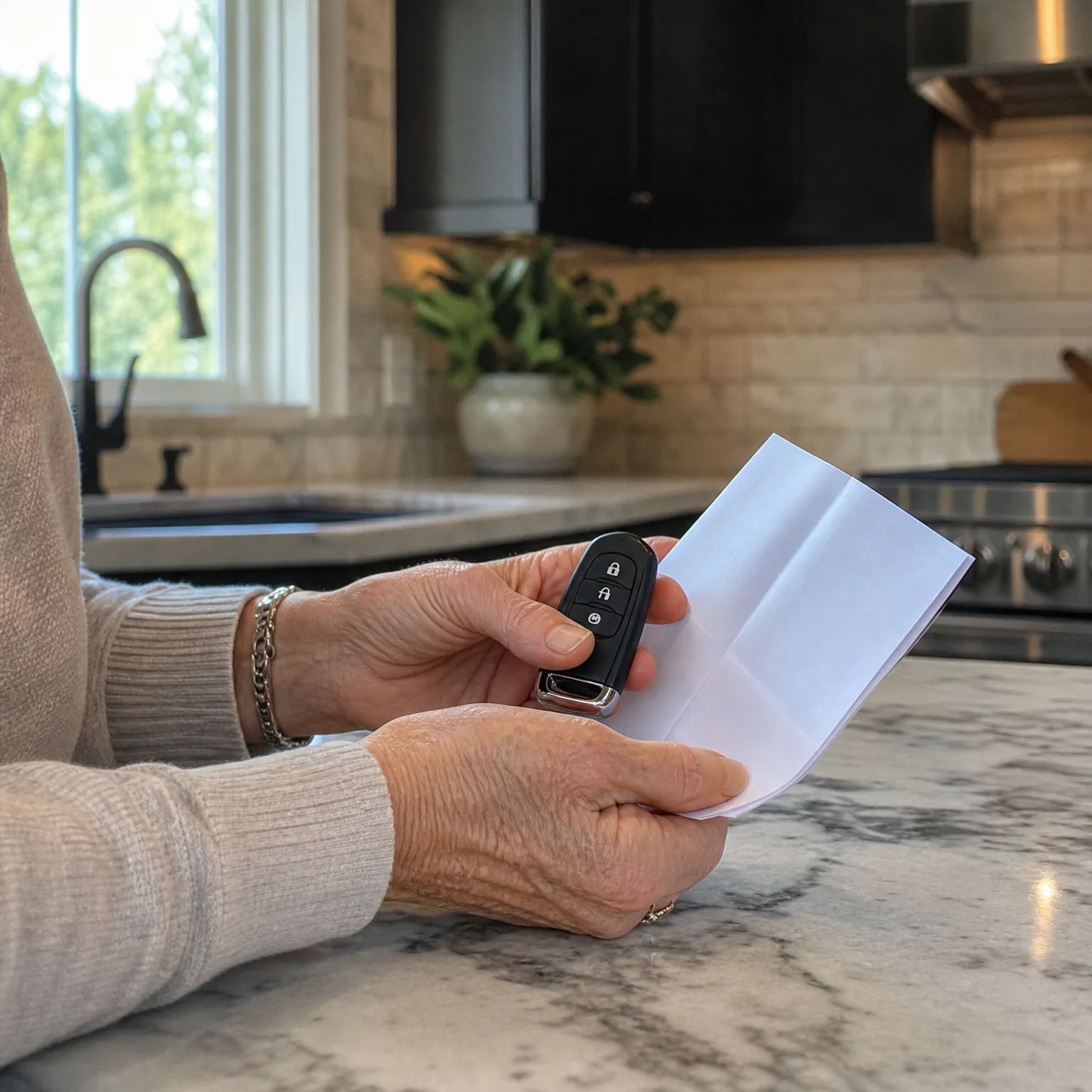
Comprehensive claims still come with a deductible, and you pay that amount yourself before the insurer pays anything. If your deductible is close to what the repair would cost, filing a claim may not gain you much.
Get an estimate first. Many auto body shops that handle hail damage will look at the dents and give you a rough number before you decide to involve your insurer at all.
A hail claim is still a claim. Depending on your insurer, it may affect your renewal even though the damage wasn't your fault. Ask your agent how your insurer treats comprehensive claims before you file, not after.
What most people get wrong about hail claims
Some drivers assume hail damage is cosmetic and not worth reporting, then find out later that dents affect resale value more than they expected. If the damage is more than a few small dents, it's worth having it looked at even if you're unsure about filing.
Others wait too long. Most policies have a window for reporting damage, and insurers can ask why you waited if you file months after a storm. Document the damage with photos and the date as soon as you notice it, whether or not you file right away.
If a storm hits your area, your insurer may see a surge of claims from the same event. That can mean a longer wait for an adjuster, so getting your own estimate in hand helps either way.
Questions people ask about this
Does comprehensive cover a cracked windshield from hail?
Yes, windshield damage from hail is treated the same as other hail damage under comprehensive coverage. Some states and insurers waive the deductible specifically for glass claims. Ask your insurer whether that applies to your policy.
Will a hail damage claim raise my rate?
It depends on your insurer. Comprehensive claims are usually treated as not-at-fault since hail isn't something you caused, but some insurers still factor in the number of claims you've filed. Ask your agent how your specific insurer handles this before deciding whether to file.
How long do I have to file a hail damage claim?
This is set by your policy and sometimes by state rules, so there's no single answer. Check your policy documents for the reporting window, and don't wait to see if more damage shows up before you start the process.
Should I get my own repair estimate before contacting my insurer?
Yes, this gives you a number to compare against your deductible. A body shop that handles hail repair regularly can tell you whether the damage is mostly cosmetic or something more. You're not obligated to use their estimate, but it helps you decide whether filing makes sense.
Does comprehensive cover hail damage to a parked car?
Yes, comprehensive coverage applies whether the car was parked or being driven when the hail hit. Where the car was doesn't change the type of coverage that applies, only what caused the damage does.
If your policy doesn't include comprehensive, or you're not sure what you're paying for it, see what other insurers would charge for the same protection.
Pull out your declarations page and confirm comprehensive coverage is listed, along with your deductible amount. If hail has already hit your car, take photos right away and get at least one repair estimate before you call your insurer. Ask your agent two things: how a hail claim would affect your renewal, and how long you have to report it. If you decide the deductible makes filing not worth it, keep the estimate on file in case the damage affects a sale or trade-in later.