Full Coverage Car Insurance for Seniors
Age alone doesn't stop you from getting full coverage, but it does change which insurers offer you the best price.
Yes, full coverage is available regardless of age
There's no age that disqualifies you from full coverage car insurance. Full coverage just means you're carrying collision and comprehensive on top of the liability your state requires, and any insurer will sell you that combination as long as your car qualifies.
What changes with age isn't whether you can get it. It's what you pay for it, and that depends on your driving record, your health and vision as they relate to licensing, and which insurer you're asking. Some insurers price older drivers favorably because they tend to drive fewer miles. Others raise rates past a certain point because claims data shows risk increasing. Shopping around matters more here than almost any other factor.
Your driving record and any license restrictions
Insurers look at your recent record the same way they would for any driver. Tickets, accidents, and claims from the last few years matter more than your age by itself.
If your state has required you to retake a vision test or added a restriction to your license, like daytime-only driving, tell your insurer. Some restrictions can affect your rate, and not disclosing a change on your license can cause problems if you ever file a claim.
Many insurers also offer a discount for completing an approved defensive driving or mature driver course. The discount isn't automatic. You typically have to send the insurer your completion certificate yourself, and the course has to be one your insurer or your state recognizes. Ask your insurer which courses qualify before you sign up for one.
Whether full coverage still makes sense for your car
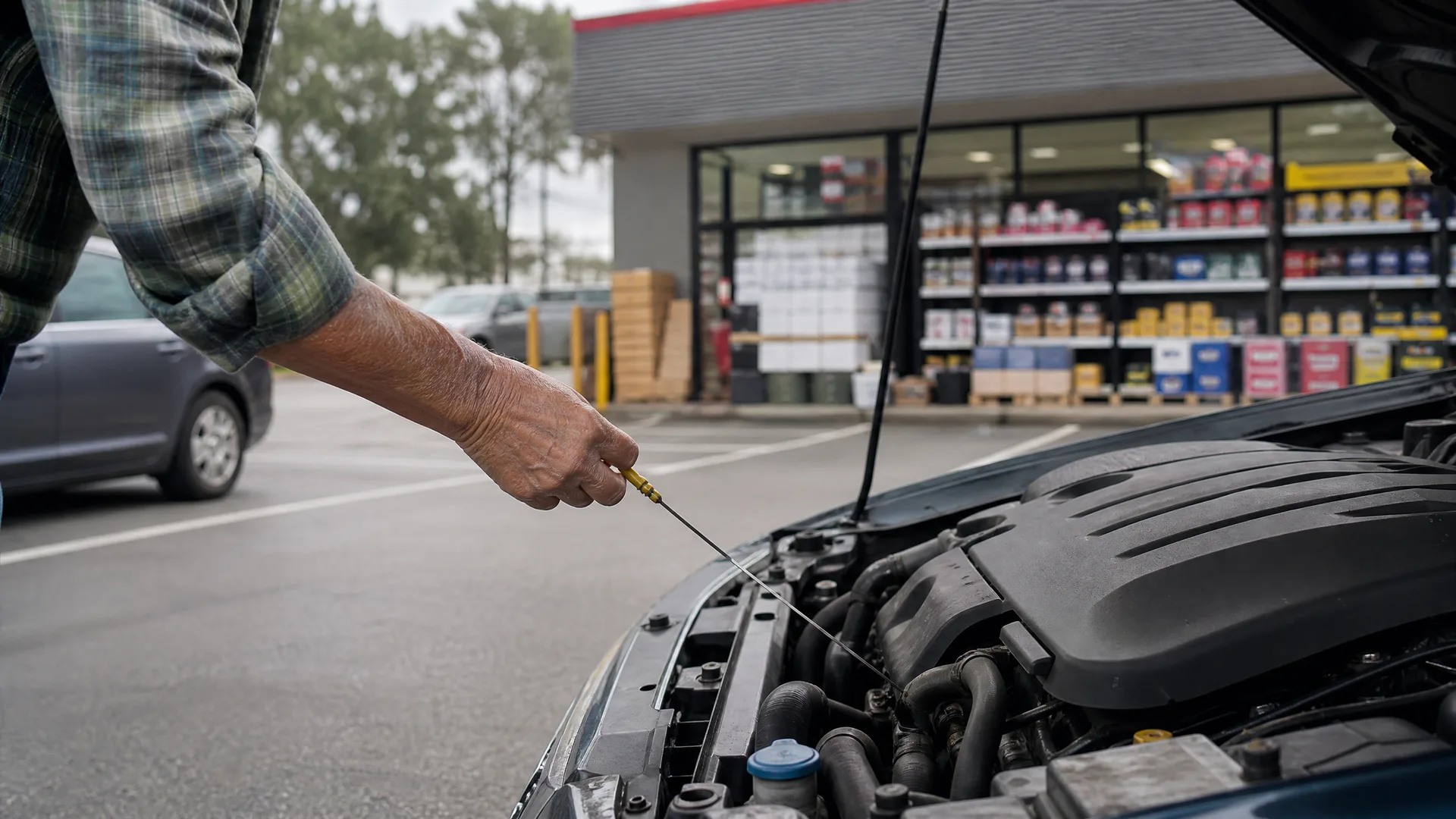
Full coverage makes the most financial sense when your car is worth enough that repairing or replacing it would cost more than you want to pay out of pocket. As a car ages and its value drops, there's a point where the collision and comprehensive premium can approach what the car is actually worth.
A simple check is to find your car's current market value and compare it to what you're paying annually for collision and comprehensive combined. If the premium is a large share of the value, ask your insurer or agent whether dropping full coverage and keeping liability only makes sense for your situation.
This isn't a decision tied to your age. It's tied to the car. Someone driving a newer or more valuable car should generally keep full coverage no matter how old they are.
Questions people ask about this
Do seniors get a car insurance discount automatically?
No, discounts for older drivers are not automatic in most cases. You usually have to ask your insurer directly, and some discounts, like one for a driving course, require you to submit proof. Call your insurer and ask what discounts apply to your policy and what they need from you.
Can my insurer cancel my policy because of my age?
An insurer generally cannot cancel your policy based on age alone. Cancellations and non-renewals are typically tied to your driving record, claims history, or a change in your license status, not your birthday. If you're ever told otherwise, ask the insurer to point to the specific policy term or state rule they're relying on.
Will my premium go up every year as I get older?
Not necessarily, and it depends on the insurer's pricing model and your own record. Some insurers factor age into pricing on a curve that rises later in life, while others weigh your driving history and mileage more heavily. Comparing quotes periodically is the only way to know if your current insurer's pricing still fits you.
Does a vision test affect my car insurance rate?
A vision test itself doesn't directly set your rate, but a license restriction that comes out of one can matter. If your state adds a restriction, such as requiring corrective lenses, make sure that's reflected accurately on your license and tell your insurer if they ask. Check with your state's DMV for how often vision tests are required as you age.
Should I drop collision coverage on an older car?
It depends on what your car is worth and what you'd be able to afford if you had to replace it. Compare your car's current market value to your collision and comprehensive premium, and talk to your insurer about whether liability-only coverage makes sense given that math. This is a decision about the car's value, not your age.
See what insurers actually charge drivers in your situation before you renew.
Pull out your current renewal notice and check what you're paying for collision and comprehensive separately from liability. Look up your car's current market value and compare the two numbers. Call your insurer and ask directly what discounts you qualify for, including any course credit, and what they need from you to apply it. If you've had any change to your license, mention it now rather than waiting for a claim to bring it up. Then get a few quotes from other insurers to see whether your current company is still pricing you well for where you are today.”}}}}}}}