Full Coverage Car Insurance for Seniors in North Carolina
North Carolina does not let age alone decide whether you can get full coverage, but it does affect what you pay for it.
Yes, age is not a barrier to full coverage
Insurers in North Carolina sell full coverage to drivers at any age, including those well into their seventies and eighties. There is no cutoff where a company is required to stop offering it or where the state stops allowing it.
What changes is the price and the terms. Some insurers raise rates as drivers get older, reasoning that reaction time and vision change with age. Others hold steady or even lower rates for seniors with a clean record, since older drivers often log fewer miles. Which way your insurer leans is something you have to ask them directly, because it varies by company.

Your driving record still carries the most weight
A clean record matters more than your age in how an insurer prices your policy. A senior with no recent tickets or claims usually qualifies for the same discounts anyone else would, on top of whatever age-based adjustment the insurer applies.
If you've had a recent accident or a lapse in coverage, that will affect your rate more than turning another year older will. Ask your insurer how far back they look when they price a renewal, since that window differs from company to company.
Some insurers also ask about a recent vision test or require one at license renewal time. North Carolina sets its own rules for vision screening tied to age, so check with the DMV for what applies to your license renewal, separate from what your insurer asks.
The car you drive changes what full coverage costs
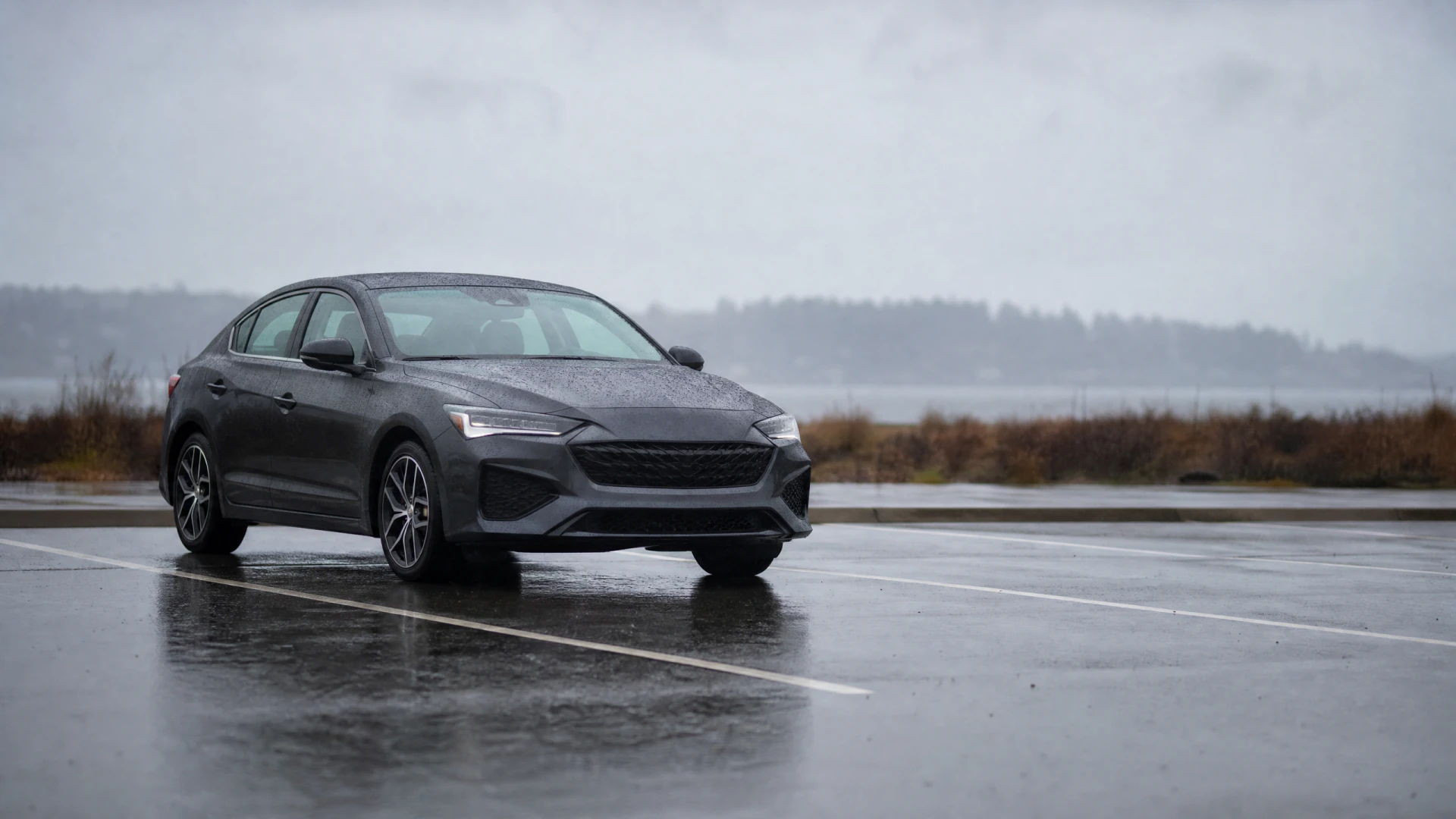
Full coverage means comprehensive and collision on top of the liability North Carolina requires. The premium for that comprehensive and collision portion is tied to your car's value and repair cost, not to your age.
An older car that's paid off might not be worth carrying full coverage on at all, since the payout in a claim is capped at the car's current value. A newer or more expensive car makes full coverage worth more, regardless of who's driving it.
If you're deciding whether to keep full coverage on an older vehicle, ask your insurer what the car would be worth in a total loss claim and weigh that against what you're paying for comprehensive and collision each year.
Questions people ask about this
Does North Carolina require a vision test to renew a driver's license at a certain age?
North Carolina sets its own age-based rules for how often a license needs vision screening or in-person renewal. Check with the North Carolina DMV directly, since this is separate from anything your insurer requires and the rule can change.
Will my insurance drop me if I let my license lapse or get restricted?
This depends on your insurer and the specific restriction, so ask them directly rather than assuming. A restricted license, such as daytime-only driving, is different from a lapsed one, and insurers treat each differently.
Can I get a discount for taking a defensive driving course as a senior in North Carolina?
Many insurers offer a discount for completing an approved course, but you usually have to send them the certificate yourself. Ask your insurer which courses they accept and how to submit proof once you finish.
Should I drop collision coverage once my car is paid off?
Whether to drop collision depends on your car's current value, not on your age or whether you still owe money on it. Ask your insurer for the car's estimated value so you can compare it to what you're paying in collision premiums each year.
How does adding a teen or family member as a driver affect a senior's policy?
Adding another driver to your policy usually changes the premium based on that driver's own record and age, not yours. Ask your insurer how they calculate the combined rate before you add anyone to an existing policy.
Compare quotes from insurers who price senior drivers differently, so you can see where your record and your car come out ahead.
Pull your current policy and your most recent driving record before you start comparing quotes. Call your insurer and ask directly how they adjust rates for age, and whether a defensive driving course would lower your premium. Get a current value estimate for your car so you know whether full coverage still makes sense on it. If your license is up for renewal, check with the North Carolina DMV about any vision or in-person requirements tied to your age, separate from your insurance. Then compare quotes from a few insurers, since how each one weighs your age and record can differ enough to matter.