Full Coverage Car Insurance for Seniors in Oregon
Oregon insurers can't refuse you full coverage because of your age, but which company gives you the best rate depends on your record and the car you drive.
Yes, full coverage is available, and age alone won't block it
Oregon doesn't let an insurer deny you full coverage or drop you to liability only because you've reached a certain age. Full coverage, meaning both collision and comprehensive on top of the state's required liability limits, is sold to drivers of any age who want it and can pay for it.
What does change is the price and which company treats you best. Insurers price senior drivers differently depending on the specific insurer, the car's age and value, and the driver's own record. Some companies compete hard for retired drivers who log fewer miles. Others price everyone the same way regardless of age. That's why the same senior driver can get very different quotes from different insurers for the same coverage.

Your driving record still does most of the work
An insurer looks at your recent record before it looks at your birth year. Tickets, at-fault accidents, and claims in the last few years affect your rate far more than turning another year older does.
If your record is clean, you're often in a strong position to shop around, because insurers compete to keep low-risk drivers. If you've had a recent claim or citation, ask each insurer how long that stays on your record and how much weight it carries, since this varies by company.
Oregon also allows insurers to offer a discount to drivers who complete an approved mature driver improvement course. If you've taken one, send the completion certificate to your insurer directly. The discount isn't automatic just because you finished the class.
If you've had a recent change in health or vision that affects your driving, it's worth asking your insurer whether that factors into your rate at all, since practice on this varies.
The car you drive changes what full coverage costs
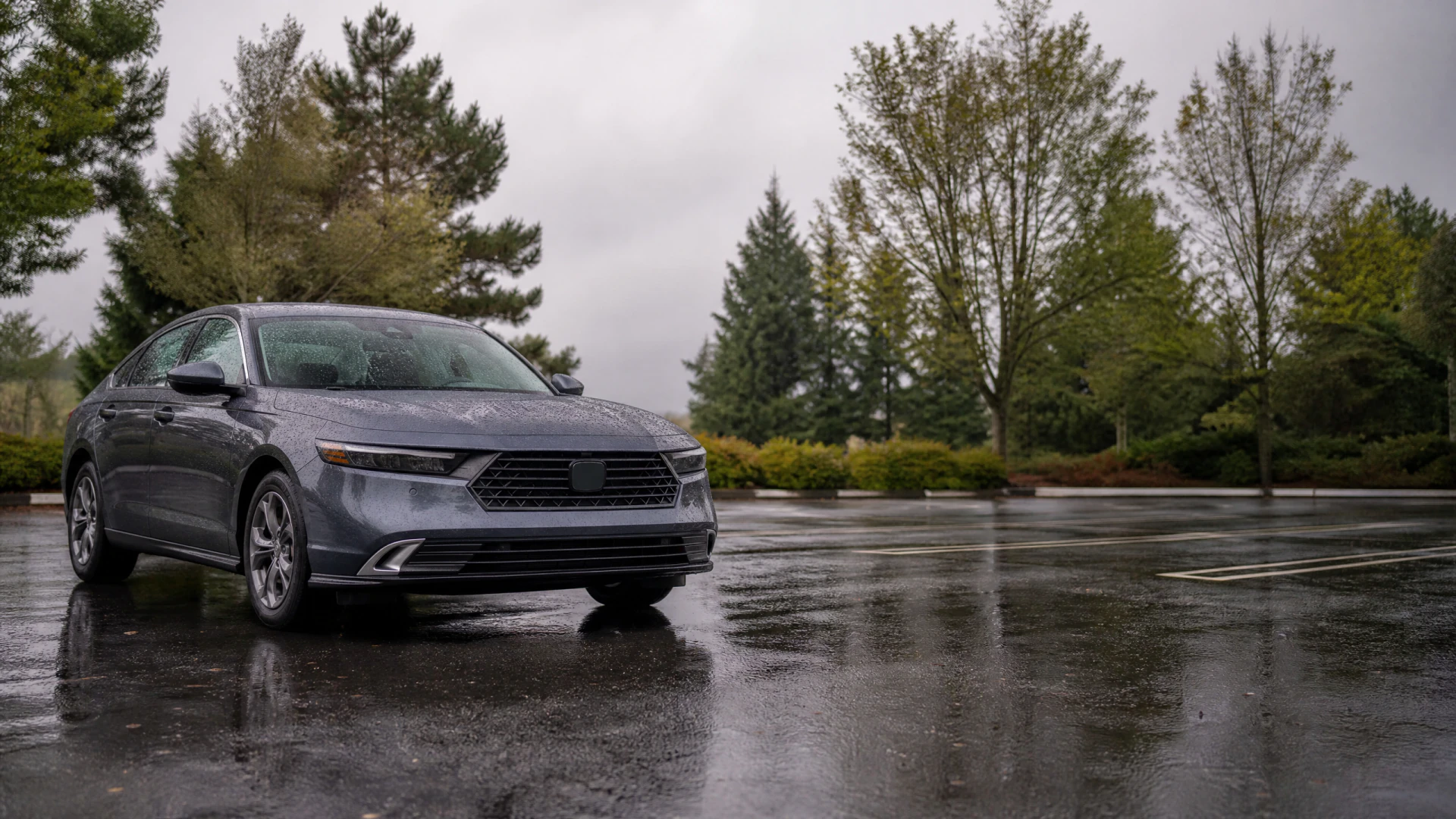
Full coverage pays out based on your car's value, so the car itself is a major part of the price. An older, paid off car with a lower market value will usually cost less to cover fully than a newer one.
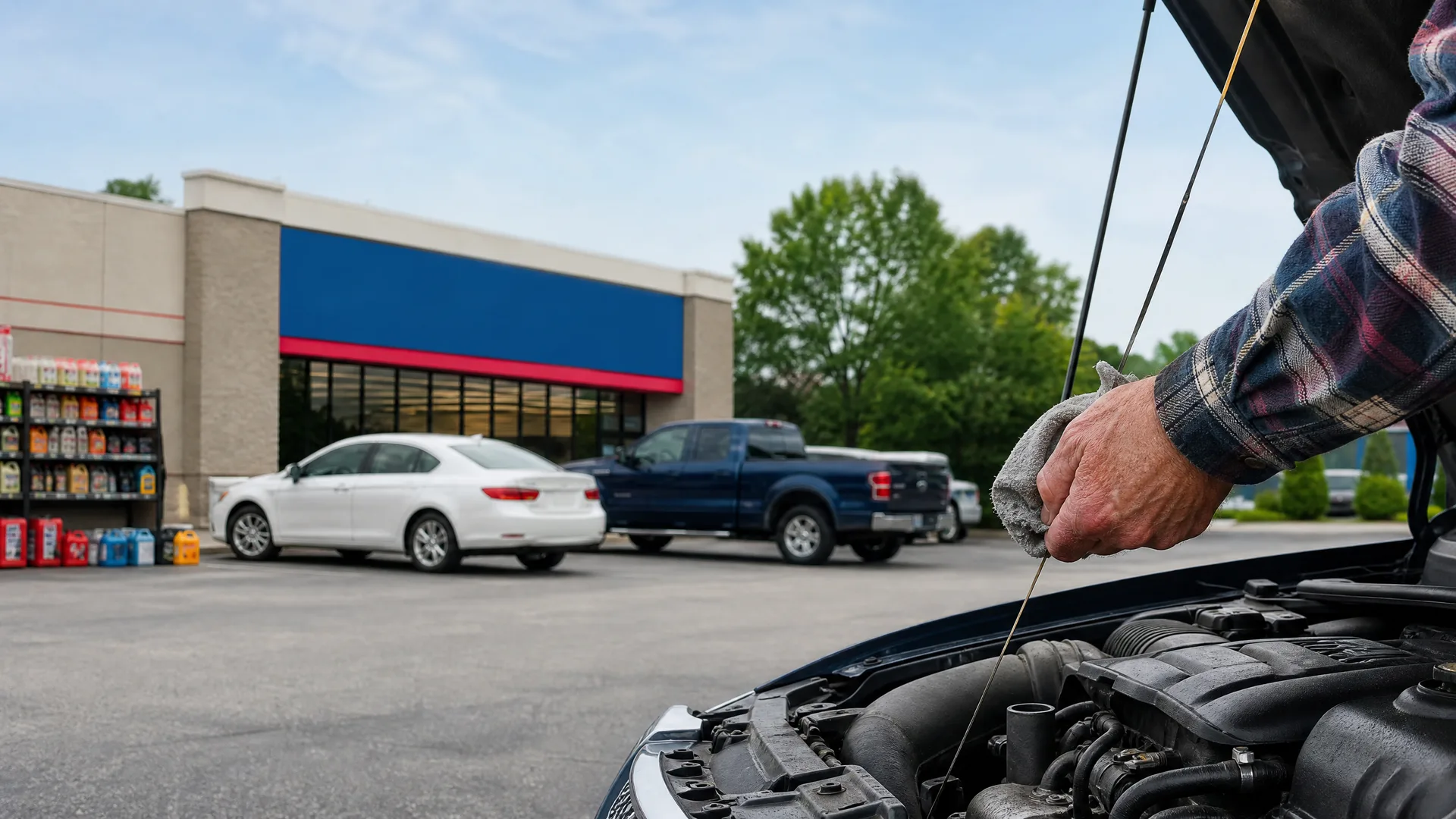
If your car is older, it's worth asking your insurer or agent what the car is actually worth now and what collision and comprehensive would pay out if it were totaled. For some older cars, the payout is small enough that dropping collision or comprehensive and keeping only liability makes more financial sense.
If you're driving fewer miles than you used to, perhaps because you're retired, ask about a low mileage discount. Some insurers offer this, and it can offset some of the cost of keeping full coverage on a vehicle you drive less often.
Questions people ask about this
Does Oregon require seniors to take a driving test to renew a license?
This is set by Oregon's DMV, not by insurers, and the rule can depend on age and how the license is up for renewal. Check directly with Oregon DMV for the current requirement for your age and renewal type.
Will my car insurance go up automatically when I turn a certain age?
Not automatically in the way a ticket or accident would raise it. Insurers set their own age brackets for pricing, and some adjust rates gradually as a driver ages into a new bracket. Ask your insurer directly whether your age moved you into a different pricing tier at your last renewal.
Can my insurer drop me just for being an older driver?
No. Oregon doesn't allow an insurer to cancel or refuse to renew a policy based on age alone. An insurer can decline to renew for other reasons, like a lapse in payment or a pattern of claims, so ask directly if you receive a non-renewal notice what the stated reason is.
Is it worth dropping to liability only on an older car?
It depends on what your car is currently worth and what you'd receive if it were totaled. Ask your insurer for the car's current value under your policy, then compare that to what you're paying for collision and comprehensive each year.
Do senior discounts apply automatically or do I have to ask?
This depends on the insurer. Some apply age-based or course-based discounts automatically if they already have the information, others require you to submit proof, like a course certificate. Ask your insurer directly what discounts you qualify for and what they need from you to apply them.
See what different insurers would charge you for full coverage before you decide what to keep.
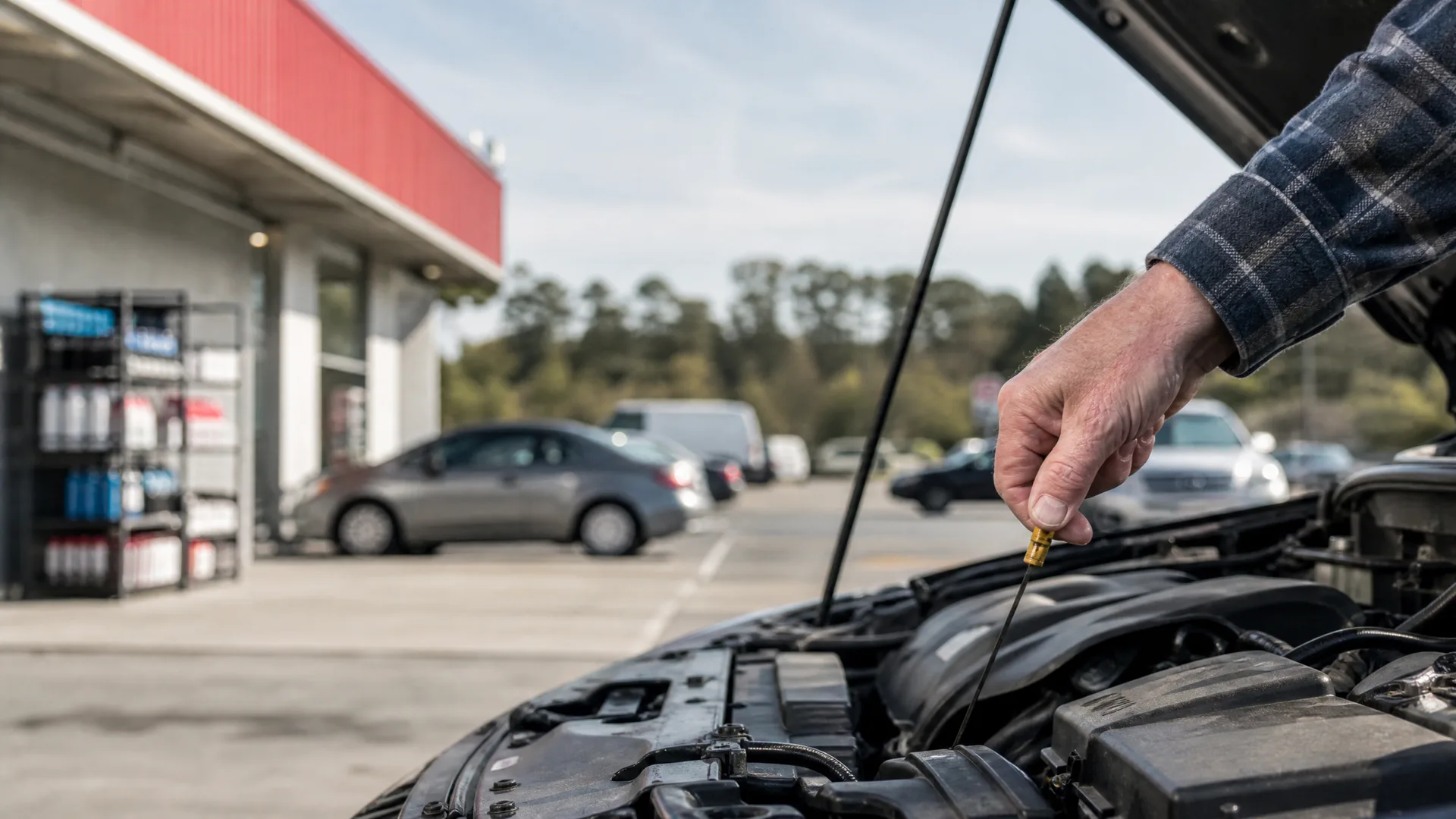
Pull your current policy and check what you're paying for collision and comprehensive separately from liability. Find out your car's current value from your insurer or agent, since that tells you whether full coverage still makes sense for that vehicle. If you've completed a mature driver course, locate the certificate and send it to your insurer this week rather than assuming it was applied automatically. Then get quotes from a few insurers side by side, since Oregon companies price senior drivers differently and the gap between them can be significant. Ask each one directly about mileage discounts, course discounts, and how they treat your specific driving record.