Full Coverage Car Insurance for Seniors in Rhode Island
Full coverage is available to drivers at any age in Rhode Island, and your record matters more than your birth year.
Yes, seniors can get full coverage in Rhode Island
Insurers in Rhode Island don't stop offering full coverage because a driver gets older. Full coverage, meaning both the liability your state requires and coverage for damage to your own car, stays available as long as your car qualifies and you can find an insurer willing to write the policy.
What changes is the price and sometimes the questions an insurer asks. Some insurers look closely at vision, reaction time, or recent claims once a driver reaches a certain age. Others don't change their approach at all. That's why the same senior driver can get very different quotes from different companies.
Your driving record decides more than your age does
A clean record from the last several years carries more weight with most insurers than the number on your driver's license. If you haven't had a ticket or an at-fault accident in a while, that history works in your favor no matter how old you are.
If you have had a recent claim or a moving violation, expect your premium to reflect that, and expect it to matter more than age does. Ask your insurer directly how far back they look and what counts against you.
Some Rhode Island insurers also look at how often you drive. If you're retired and driving less than you used to, say so. A lower annual mileage can work in your favor, but you have to tell them, they won't assume it.
If your license has any restrictions, such as daytime-only driving or a corrective lens requirement, make sure your policy application matches what's on your license exactly. A mismatch can cause problems later if you ever file a claim.
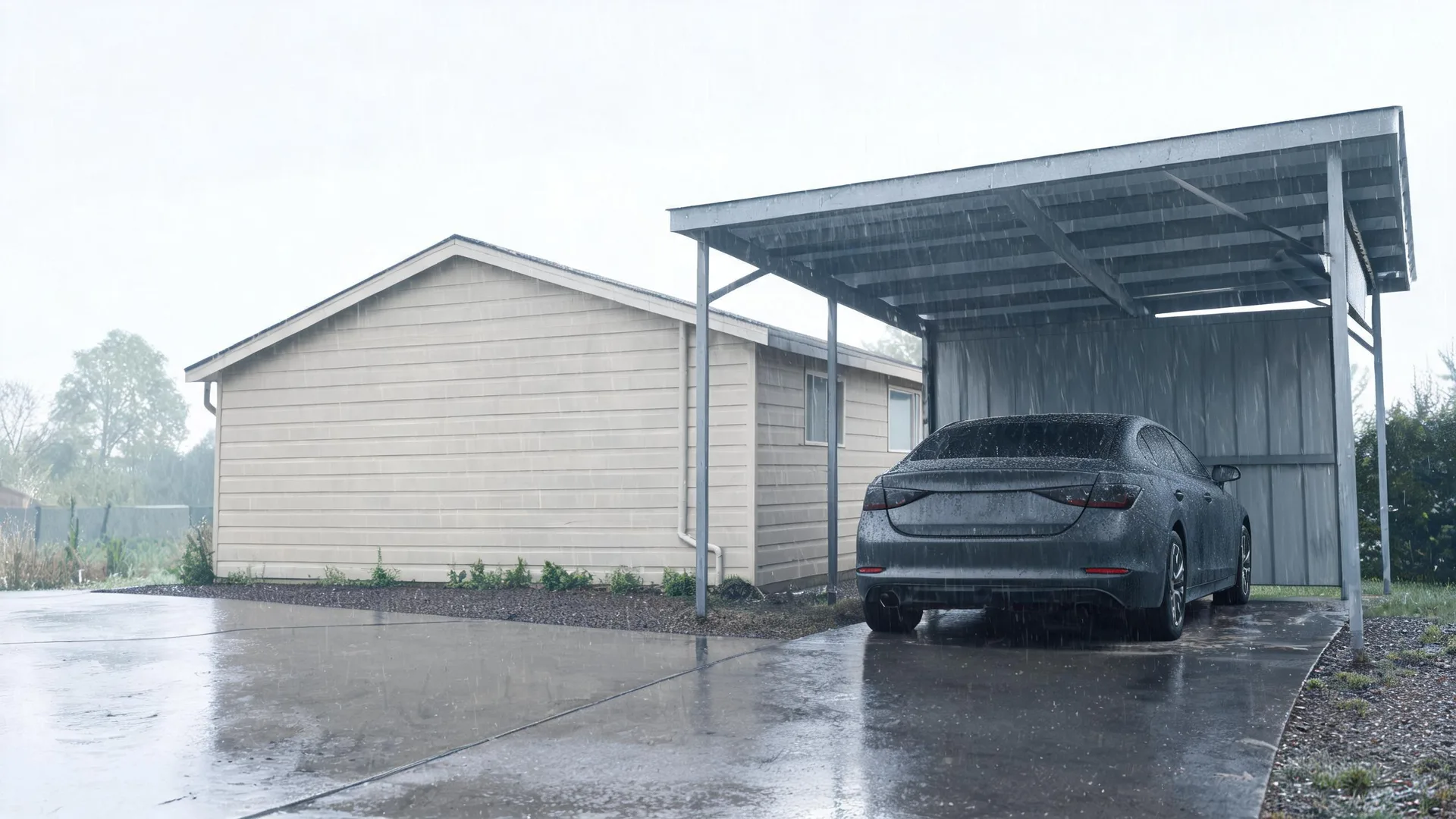
The car you drive changes what full coverage costs
Full coverage includes collision and comprehensive, and both are priced based on what it would cost to repair or replace your specific car. An older, paid-off car is often cheaper to insure for full coverage than a newer one, simply because it's worth less.
If your car is older, ask your insurer or agent what it would actually pay out if the car were totaled. Compare that number to what you're paying for collision and comprehensive each year. For some older cars, the payout is close enough to the car's value that full coverage no longer makes financial sense, and liability-only coverage might fit better.
If you're driving a car with newer safety features, mention them when you get a quote. Some insurers give credit for anti-lock brakes, backup cameras, or automatic emergency braking, though which features qualify varies by company.
Questions people ask about this
Do I still need full coverage if my car is paid off?
No law requires full coverage once a car loan is paid off, it becomes your choice. Many lenders require it while you're still paying off a car, but once you own it outright, you can decide based on the car's value and what you'd be able to cover yourself if it were damaged or stolen.
Will my premium go up just because I turned a certain age?
It depends on the insurer. Some companies use age as one factor among many and may adjust rates at certain birthdays, while others focus only on your driving record and vehicle. Ask your insurer directly whether age by itself changes your rate or if it's your record that matters most.
Can I get a discount for taking a defensive driving course?
Many insurers offer a discount for completing an approved defensive driving course, but you usually have to send them the certificate yourself. Ask your insurer which courses they accept and what you need to submit, since simply finishing the course doesn't automatically lower your premium.
What happens to my insurance if my license gets restricted?
Tell your insurer as soon as any restriction is added to your license, such as a daytime-only limit. Your policy needs to reflect your actual license status, and not updating it could cause a problem if you ever need to file a claim.
Should I drop collision coverage as my car gets older?
That depends on your car's value and what you could afford to pay out of pocket if it were totaled. Ask your insurer what your car would actually pay out under collision coverage, then weigh that against what you're paying in premium each year.
See what full coverage would actually cost you from a few different insurers before you decide what to keep.
Pull up your current policy and your most recent renewal notice so you can see exactly what you're paying for liability, collision, and comprehensive separately. Call your insurer and ask how they treat your age, your mileage, and any license restrictions, since this varies by company. If you've taken a defensive driving course recently, have the certificate ready to send in. Get a few quotes from other insurers using the same coverage limits so you're comparing the same thing. If your car is older, ask each insurer what it would pay out if the car were totaled, and decide from there whether full coverage still makes sense for you.