Full Coverage Car Insurance for Seniors in Tennessee
Full coverage is sold to drivers at any age in Tennessee, so the real question is what your record and your car do to the price.
Yes, age alone doesn't stop you from getting full coverage
Insurers in Tennessee sell full coverage, meaning both liability and the coverage that pays for damage to your own car, to drivers regardless of age. There's no cutoff where a company stops offering it.
What changes is the price and the terms, and that comes down to your driving record, the car you're insuring, and sometimes your health or vision status if a state renewal requirement flags something. Some insurers price older drivers lower because they tend to drive fewer miles and file fewer claims. Others weigh recent tickets or accidents more heavily than age itself.
Your driving record matters more than your birthday
A clean record keeps your full coverage price close to what any careful driver would pay. Insurers look at tickets, at-fault accidents, and claims from the last few years, and that history carries more weight than the fact that you're 65 or 70 or 80.
If you haven't had a violation or claim in a while, ask your current insurer whether that's reflected in your renewal price. Some companies update this automatically. Others only apply it if you ask or if you've taken a defensive driving course and sent in the certificate.
If your record has a recent mark on it, that's usually what's pushing your premium up, not your age. Tennessee requires insurers to use individual risk factors, so it's worth asking your agent directly what's driving your rate before assuming age is the reason.
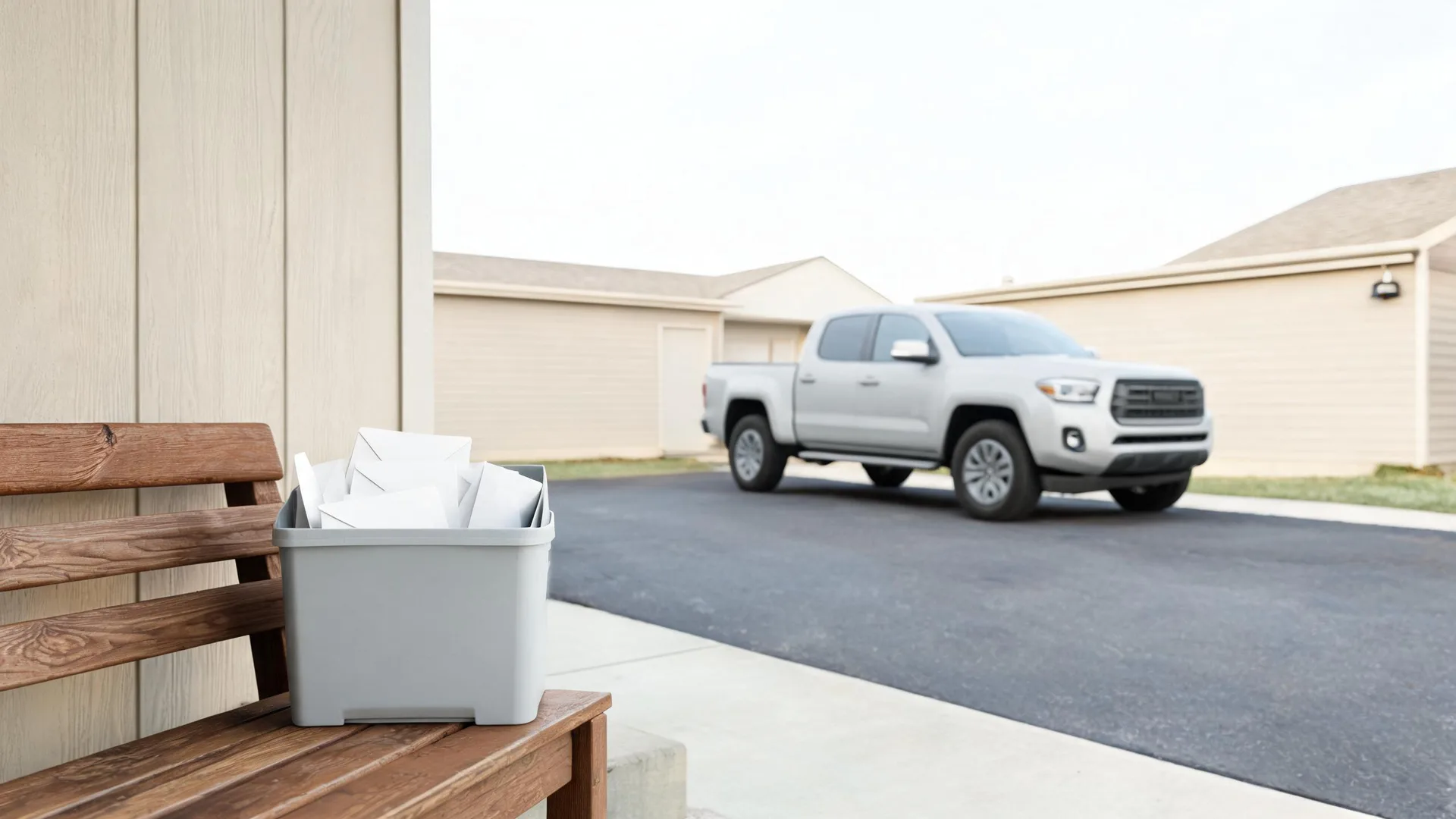
The car you drive changes what full coverage costs
Full coverage pricing is tied to the value of your car and the cost to repair or replace it. An older, paid-off car with a lower value will usually cost less to cover fully than a newer one, simply because there's less for the insurer to pay out on a claim.
Some seniors keep full coverage on a car that's worth very little, when liability alone might make more financial sense. Check your car's current value and weigh that against what you're paying for the collision and comprehensive parts of your policy.
Safety features and the car's claims history also factor in. If you're shopping for a new vehicle, ask what the insurance difference would be between models before you buy, since it can vary more than people expect.
Questions people ask about this
Does Tennessee require a vision test or driving test for senior license renewal?
This is set by the state and depends on your age at renewal, so check directly with the Tennessee Department of Safety and Homeland Security for the current rule. If a renewal requirement does apply to you, it affects your license, not your insurance eligibility directly, though insurers may ask about your license status.
Will my car insurance go up if I stop driving as much after retirement?
It can, in the direction of going down, since many insurers offer lower rates for lower annual mileage. Ask your insurer if they offer a low-mileage discount and how they verify the mileage, since some require odometer readings or a telematics device.
Can my insurer drop my full coverage because of my age?
An insurer generally can't cancel a policy based on age alone. Cancellations or non-renewals are usually tied to claims history, lapses in payment, or underwriting changes at the company level. If you're worried about this, ask your agent what would trigger a non-renewal under your specific policy.
Should I switch from full coverage to liability only as a senior?
That depends on your car's value and whether you could afford to replace it out of pocket if it were totaled. Full coverage makes less financial sense on a car worth very little, since the payout in a claim may not be much more than what you paid in premiums. Compare your car's value against your premium before deciding.
Do defensive driving courses actually lower premiums for seniors in Tennessee?
Some insurers offer a discount for completing an approved course, but you usually have to submit the certificate yourself. Ask your insurer whether they recognize a specific course and what paperwork they need, since finishing the course alone doesn't automatically change your rate.
See what full coverage actually costs for your car before you decide what to keep.
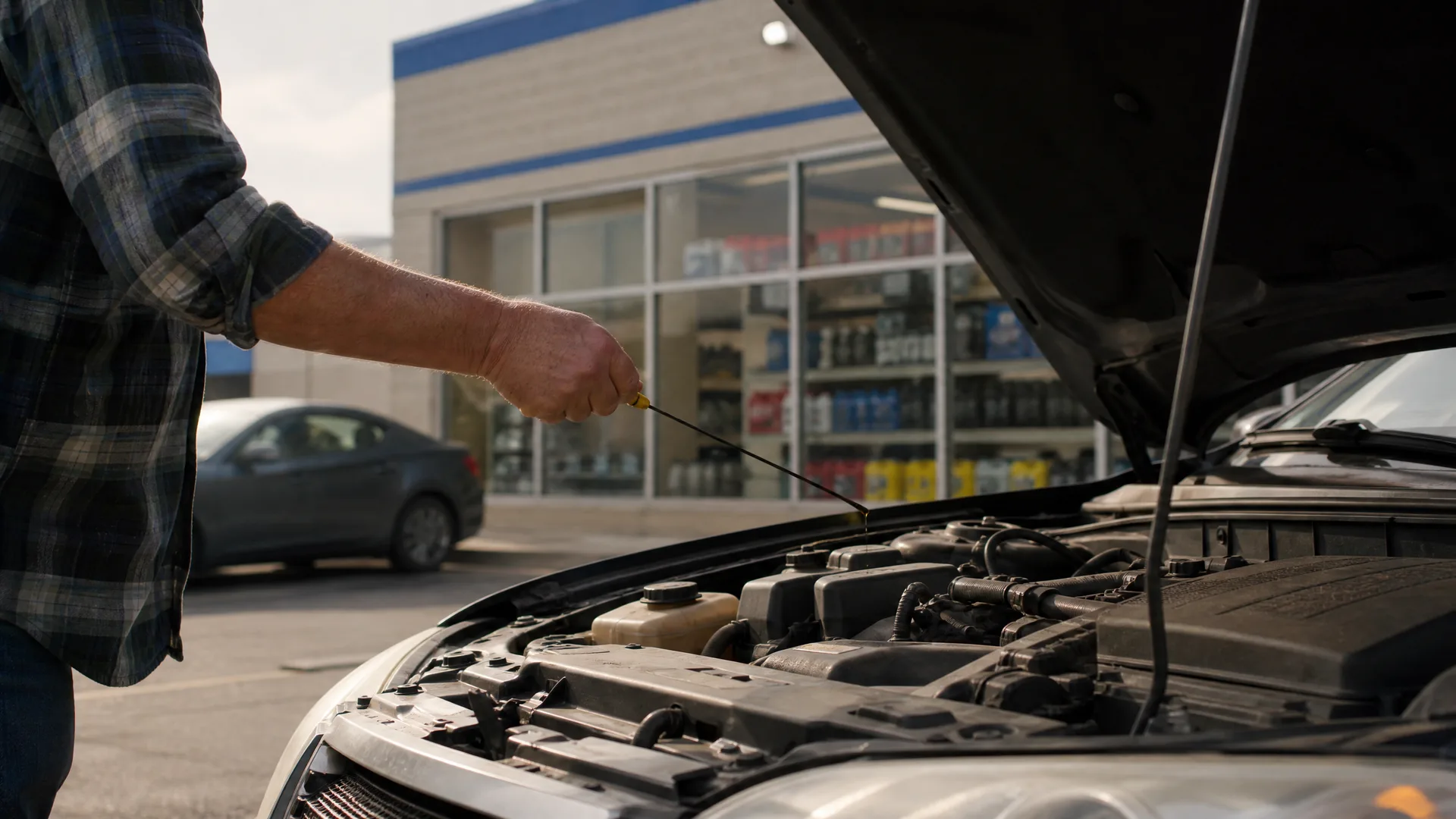
Pull up your current policy and check what you're paying for collision and comprehensive coverage separately from liability. Look up your car's current value so you can weigh that against the premium. Call your insurer and ask directly what's driving your rate, whether it's your record, your car, or something else, and whether any discounts you qualify for are already applied. If you've taken a defensive driving course recently, confirm they have your certificate on file. Then compare that price against quotes from other insurers to see where you actually stand.