How to Make an Older Car Safer
The biggest safety gains come from maintenance and a handful of upgrades, not from buying a newer car.
Focus on tires, brakes, and visibility first
An older car can be made meaningfully safer without replacing it. The most useful changes are the ones that affect how well you can see, stop, and be seen: new tires with good tread, brake service if it's due, working headlights and taillights, and a clean windshield with good wipers.
These matter more for an older driver because reaction time and night vision tend to change with age, so anything that improves stopping distance or how early you spot a hazard helps directly. None of this depends on the car's age so much as its maintenance history, which means a well-kept older car can be safer than a neglected newer one.
What your car has, and what it's missing
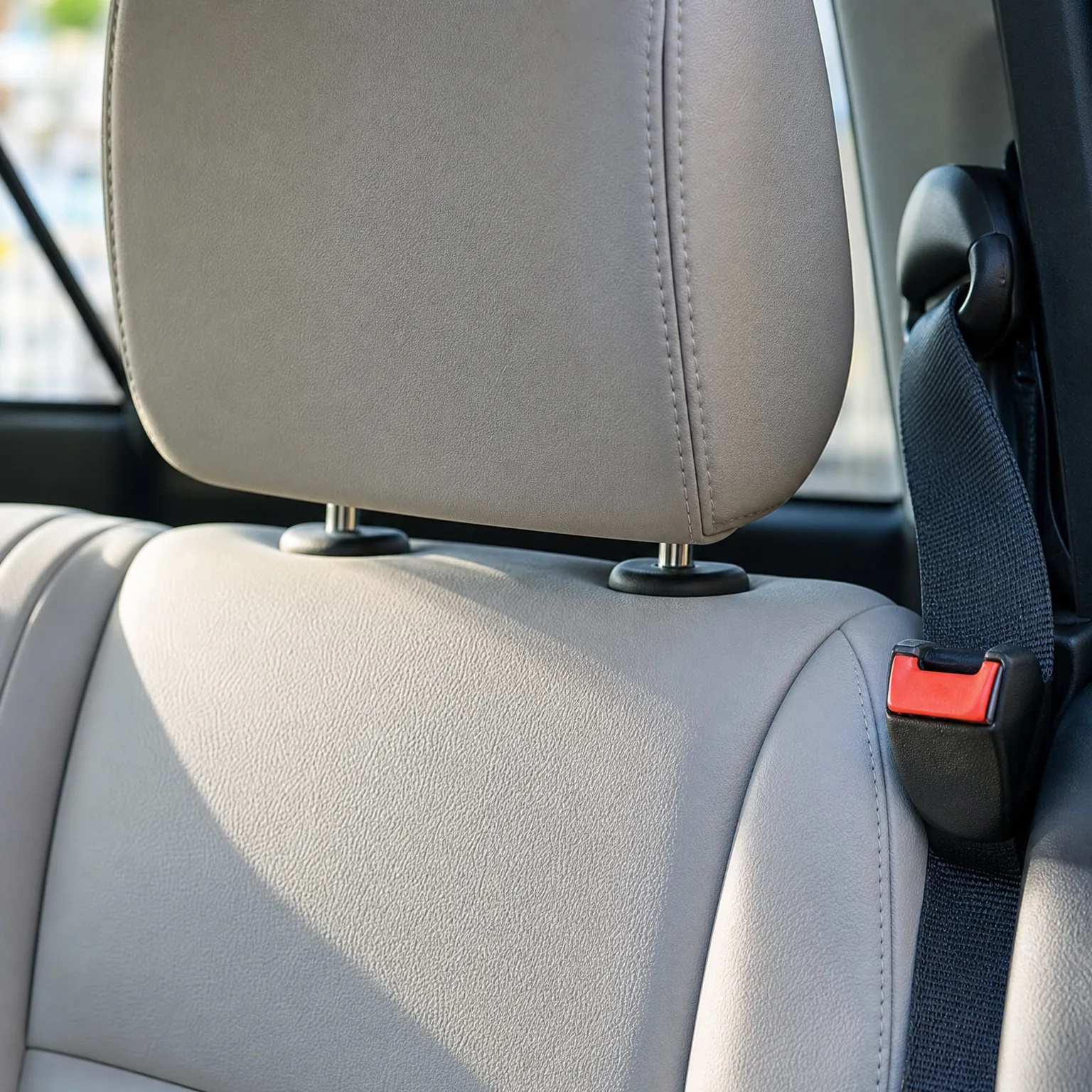
Cars built in different decades came with different standard safety equipment. Some older cars lack electronic stability control, side airbags, or a backup camera. You can't add most of these after the fact, but you can check what your car does have by looking up its original features or asking a mechanic to go through it with you.
Some things can be added. A backup camera kit, better mirrors, or an aftermarket blind spot warning system can be installed on many older cars for less than the cost of a new one. A mechanic or an auto parts store can tell you what's compatible with your specific make and model.
Tires are worth separating out because they're the one thing every car depends on no matter its age. Worn tires are a factor in a large share of stopping-distance problems, and replacing them is often the single highest-value safety upgrade available on an older car.
If the car is missing something you consider important, like automatic emergency braking, that's a reason to weigh the cost of upgrades against the cost of replacing the car, rather than assuming either answer is right.
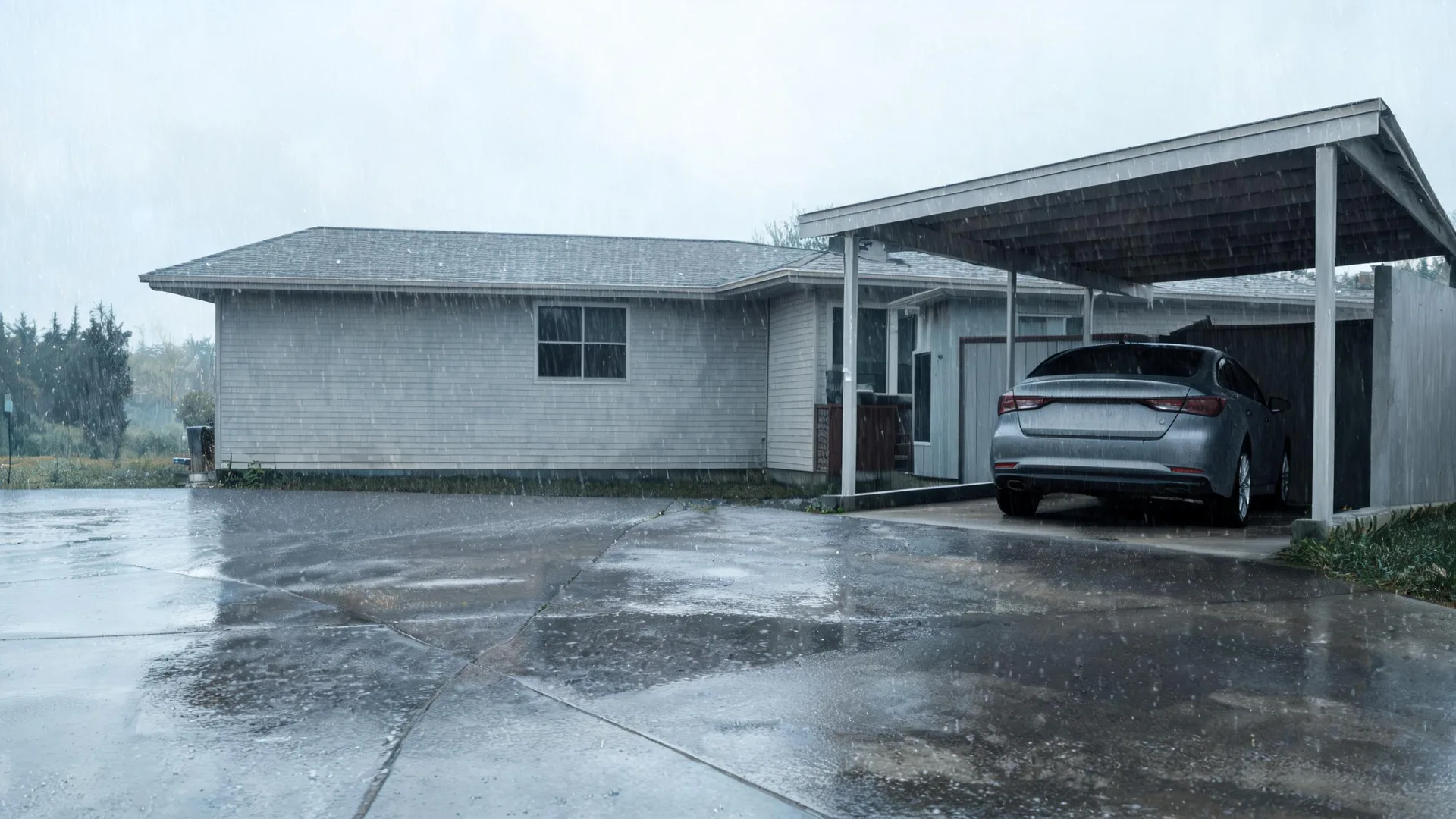
What a mechanic finds matters more than the car's age
A car's age tells you less than an inspection does. Two cars from the same model year can be in very different condition depending on how they were driven and maintained. Ask a mechanic for a safety-focused check that covers brakes, suspension, steering response, and the condition of belts and hoses, not just an oil change.
Suspension and steering wear are easy to miss because the car still drives fine until a problem gets worse. A mechanic can tell you whether the car still handles the way it's supposed to, especially in sudden braking or a sharp turn.
Lighting is worth checking on its own. Headlight lenses cloud over with age and cut down how far you can see at night, even when the bulb is fine. Cloudy headlights can often be restored or replaced cheaply, and it's one of the few fixes that makes an immediate difference.
If your insurer or state requires a vehicle inspection, that's a minimum, not a full safety check. Ask the mechanic to go beyond what the inspection covers if you want a real picture of the car's condition.
Questions people ask about this
Does adding safety features lower my car insurance?
It depends on your insurer and what you add. Some insurers offer a discount for certain anti-theft or safety equipment, but this varies by company and isn't guaranteed for aftermarket additions. Ask your insurer directly what they recognize before you spend money expecting a discount.
Is it safer to buy a new car instead of fixing up an old one?
Not necessarily. A newer car usually has more built-in safety technology, but a well-maintained older car with good tires and brakes can be just as safe for everyday driving. The decision usually comes down to the specific car's condition and what you can afford, not age alone.
What safety features can be added to an older car?
Common additions include backup cameras, upgraded mirrors, and some blind spot warning systems. Not every system is compatible with every vehicle, so check with a mechanic or the manufacturer of the part before buying anything.
How often should an older car be inspected for safety?
There's no single answer, since it depends on the car's condition and how much it's driven. A yearly check that covers brakes, tires, and suspension is a reasonable baseline, and more often if the car is older or has higher mileage.
Will my insurer require an inspection because my car is old?
Some states require periodic vehicle inspections regardless of age, and some insurers may ask for one in specific situations. This varies by state and company, so check with your state's motor vehicle agency and your insurer to see what applies to you.
See how these upgrades and your driving record affect what you'd pay.
Start by booking a safety-focused inspection with a mechanic you trust, not just a standard oil change appointment. Ask them specifically about brakes, tires, suspension, and headlight condition, and get a written list of what they find. Take that list and decide which items are worth fixing now versus later, starting with tires and lighting since those tend to matter most. If you're unsure whether any upgrade qualifies for a discount, call your insurer and ask before you pay for the work. Keep the receipts and any inspection report, since you may need to show them later.