How to Sell an Older Car
Selling an older car comes down to proving it's been looked after and canceling the right things once the sale is done.
Sell it where buyers trust condition over age
An older car sells for what it's worth when the buyer can see it's been maintained. That means service records, a recent inspection, and being honest about what's worn out. Private buyers tend to pay more than a dealer trade-in, but they also ask more questions, so having the paperwork ready matters more than the car's age.
What the car is worth depends on its mileage, its mechanical condition, and what similar cars are selling for in your area right now. A dealer will offer less because they plan to resell it at a profit. A private sale takes longer but usually pays better, if you're willing to deal with calls and test drives.

The paperwork decides how smooth the sale goes
Buyers for an older car worry more about hidden problems than they do with a newer one, so the title, the maintenance history, and any recent repair receipts carry real weight. If you still have the original purchase documents or past inspection records, pull them out before you list the car.
Check what your state requires to transfer title and whether you need a bill of sale, a smog or emissions certificate, or a release of liability. These rules come from your state's motor vehicle agency, not from the buyer or the dealer, so confirm them there rather than guessing.
If there's a loan or lien on the car, you'll need to clear that with the lender before the title can transfer. Call the lender first. It can take time to get a payoff letter, and that delay catches a lot of sellers off guard.
Your insurance doesn't end automatically
Once the car is sold and the title is signed over, the policy covering it doesn't cancel itself. You need to call your insurer and tell them the car has been sold, the date it happened, and who the buyer is if they ask.
Until you make that call, you're still the one on record as insuring that car, even though you don't own it anymore. If something happens to it after the sale and before you've reported the change, that can become a real headache to untangle.
If you're not replacing the car right away, ask your insurer what happens to any remaining premium you've paid. Some refund the unused portion, some apply it to another policy. That depends on your insurer, so ask directly rather than assuming.
Questions people ask about this
Do I need a smog check or inspection to sell an older car?
That depends on your state and sometimes on the car's age or county. Some states require a current smog or emissions certificate before a title can transfer, others don't. Check with your state's motor vehicle agency before you list the car, since finding out partway through a sale can stall things.
Should I fix mechanical problems before selling an older car?
It depends on what's wrong and what buyers in your area expect. Minor cosmetic issues rarely change the price much, but something that affects safety or reliability, like brakes or a check engine light, usually comes up in negotiation anyway. Fixing it yourself can be cheaper than the price cut a buyer will ask for once they find it.
Is it better to sell an older car or trade it in?
A private sale usually brings in more money than a trade-in, because a dealer has to resell the car at a profit and prices accordingly. Trading in is faster and avoids dealing with strangers, so the right choice depends on whether the extra money is worth the extra time and effort to you.
How do I find out what an older car is worth before selling it?
Look at recent sale prices for similar cars with similar mileage and condition in your area, not the sticker price when it was new. Condition and maintenance history matter more for an older car than for a newer one, so a well-kept car can be worth noticeably more than an average one of the same year.
What happens to my car insurance discount if I sell my only car?
If you don't replace the car, your policy for it typically ends once you report the sale, and any multi-car or loyalty discounts tied to that policy could change. Ask your insurer directly what happens to your coverage and any discounts if you're not insuring a replacement right away.
If you're replacing this car, it's worth seeing what a new policy would cost before you commit to one.
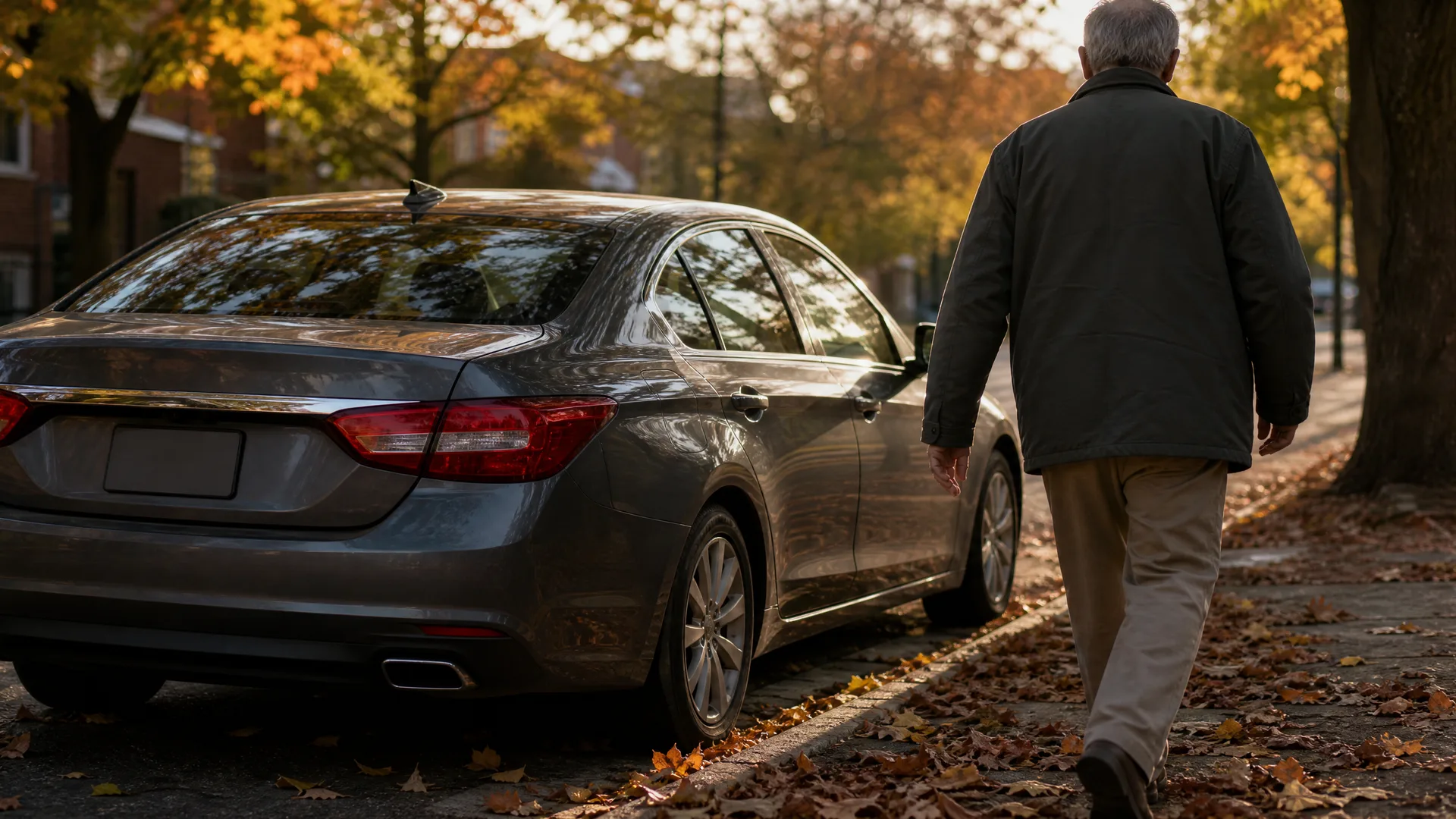
Gather the title, any loan payoff information, and whatever service records or receipts show how the car has been maintained. Check with your state's motor vehicle agency about what's required to transfer title and whether an inspection or emissions certificate is needed first. Once you have a buyer, call your insurer to report the sale and ask what happens to any unused premium. If you're getting another car, line up insurance for it before you hand over the keys to the one you're selling, so there's no gap in coverage.