Liability Only Car Insurance for Seniors in Louisiana
Liability only is legal and common for Louisiana seniors, but it depends on what your car is worth and what you can afford to pay out of pocket if you cause a crash.
Yes, liability only is allowed in Louisiana
Louisiana requires every driver to carry liability coverage, and that requirement is the same at every age. There's no rule that forces a senior driver to carry more than the state minimum, and no rule that forces them to carry less either. The choice is yours to make.
What liability only won't do is pay to fix or replace your own car. It covers the other driver's car and medical bills if you're at fault. If your own car is older and worth less, that trade-off often makes sense. If you're still financing it or it has real value, dropping collision and comprehensive to save money can cost you more later.
What your car is worth decides this more than your age does
The reason liability only gets recommended to older drivers isn't age. It's that a car owned for a long time is often paid off and worth less than it used to be. Once a car's value drops low enough, the payout from a comprehensive or collision claim can be small enough that the premium isn't worth paying.
Check what your car is actually worth right now, not what you paid for it. If the number is low, liability only is worth asking your insurer about. If the car is newer, financed, or holds real value, dropping that coverage means you'd pay the full repair or replacement cost yourself.
This is a math question specific to your car, not a rule about your age. A 70 year old driving a car worth a lot still benefits from collision coverage. A 70 year old driving a car worth little may not.
What you can afford to pay yourself matters as much as the car's value
Liability only means you're self-insuring for damage to your own car. That works if you have the savings to cover a repair or a replacement without it being a hardship. It doesn't work as well if a sudden repair bill would be difficult to absorb.
Some drivers keep comprehensive coverage even on an older car because it's inexpensive relative to collision, and it covers things like a cracked windshield, theft, or weather damage. Ask your insurer to quote comprehensive separately from collision so you can see what each one actually costs you.
Also ask what your policy would pay out if your car were totaled today. That number, compared against what the coverage costs you each year, tells you whether you're paying more to insure the car than it would be worth in a claim.
Questions people ask about this
Does Louisiana require a vision test or anything extra for senior drivers to keep their license insured?
Louisiana's license renewal rules, including any vision test or in-person requirement tied to age, are set by the state and can change. Check with the Louisiana Office of Motor Vehicles directly for the current renewal rules that apply to your age, since staying licensed is what keeps your insurance valid in the first place.
Will my car insurance go up once I turn a certain age in Louisiana?
There's no fixed age in Louisiana law that automatically raises your premium. Insurers set their own pricing and some do factor in age along with driving record, vehicle, and location. The way to find out is to ask your insurer directly how your age affects your specific rate.
Can I get a discount for taking a defensive driving or mature driver course in Louisiana?
Many insurers offer a discount for completing an approved course, but whether yours does, and what counts as approved, is set by the insurer. Ask your insurer before you take a course whether it qualifies, and send them the completion certificate yourself once you finish, since the discount usually isn't applied automatically.
What happens to my insurance if I stop driving but still own the car?
If the car is still registered and parked where it could be driven, most insurers expect it to stay insured, often with a reduced policy rather than none at all. Ask your insurer what options exist for a car that's rarely or never driven, since letting coverage lapse entirely can cause problems if you register the car again later.
Should I drop coverage entirely if I only drive a few times a month now?
Driving less doesn't remove your legal requirement to carry at least liability coverage if the car is registered and on the road. Some insurers offer lower rates for low mileage drivers, so ask your insurer whether a low mileage or usage based policy is available instead of dropping coverage altogether.
See what liability only would actually cost for your car before you decide to drop anything.

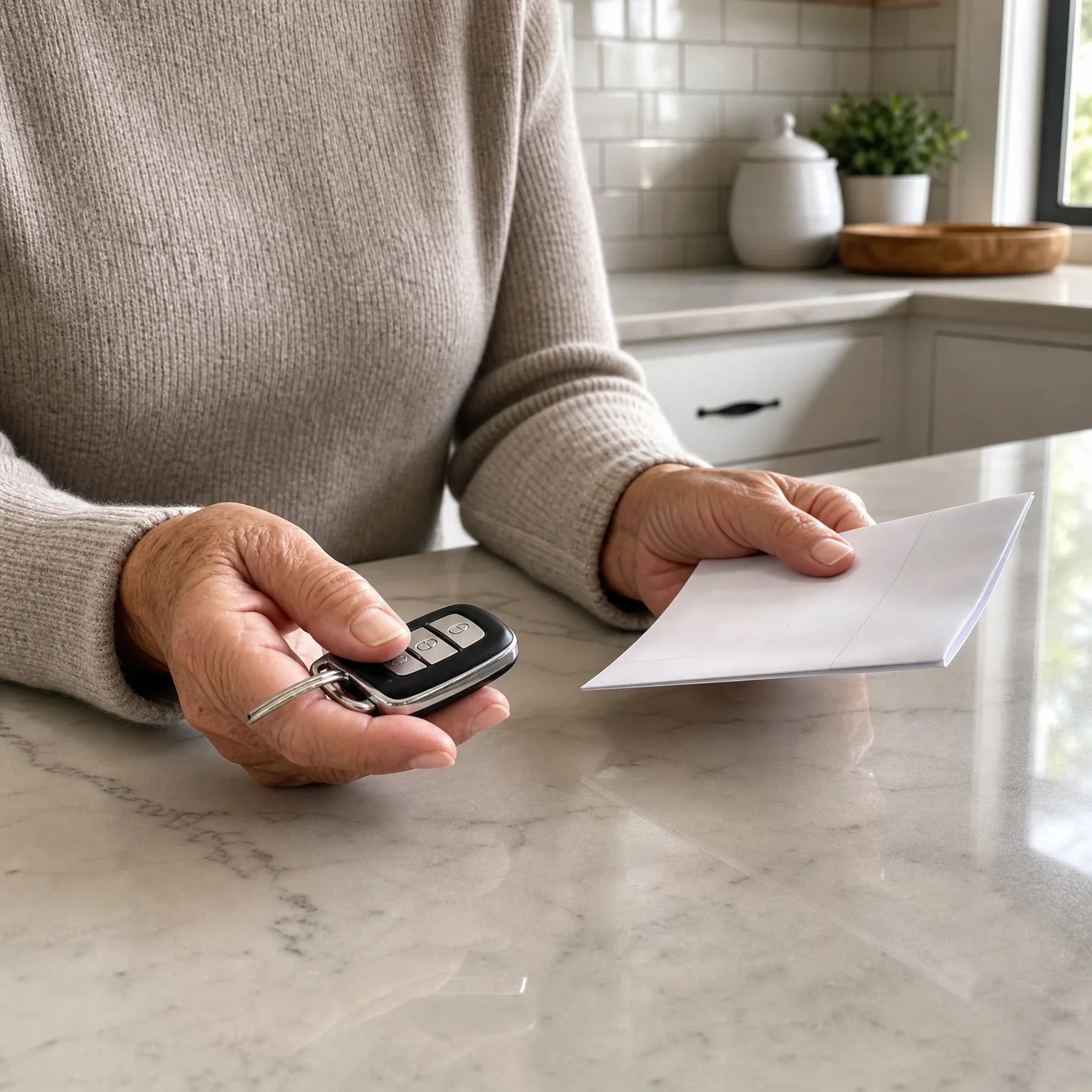
Pull up your car's current value and your most recent renewal notice before you call anyone. Ask your insurer to quote your policy three ways: full coverage, liability plus comprehensive only, and liability only, so you can see the real difference in dollars rather than guessing. Ask what your comprehensive and collision coverage would actually pay out if your car were totaled this year. If you're considering a mature driver course for a discount, ask first whether your insurer recognizes it and what they need from you afterward. Compare those answers against what you could cover yourself out of pocket before you change anything on the policy.