Uninsured Motorist Coverage for Seniors in Colorado
Colorado requires insurers to offer this coverage, and for most seniors it's worth keeping rather than waving off.
Yes, and Colorado law makes insurers offer it to you
Colorado requires insurance companies to offer uninsured and underinsured motorist coverage on every auto policy. You can decline it in writing, but unless you do, it's part of your policy. For a senior driver, this coverage pays for your injuries and damage if the other driver has no insurance or not enough to cover what happened.
Age itself doesn't change whether you can get this coverage or what it covers. What changes is whether it still makes sense for you to carry it, and that depends more on your health coverage, your savings, and how much you drive than on the number of candles on your cake.
Your health insurance and savings matter more than your age
Uninsured motorist coverage usually has two parts: one for medical costs and one for damage to your car. If you're on Medicare or have a strong supplemental plan, some of your medical costs after a crash may already be covered elsewhere, which changes how much you're leaning on this part of your auto policy.
But Medicare doesn't cover everything a crash can cost you. Lost income isn't an issue if you're retired, but pain and suffering claims, deductibles, and gaps in coverage still are. Underinsured motorist coverage specifically fills the space when the at-fault driver has some insurance but not enough, and that gap doesn't shrink with age.
If you've declined this coverage before, it's worth asking your agent to walk through what you actually have and what it would cost to add it back. Circumstances change, and a decision made years ago may not fit where you are now.
Check what your health plan actually pays out after an auto accident before you decide this coverage is redundant. Many seniors assume Medicare handles it the same way it handles other medical bills, and that's not always the case.
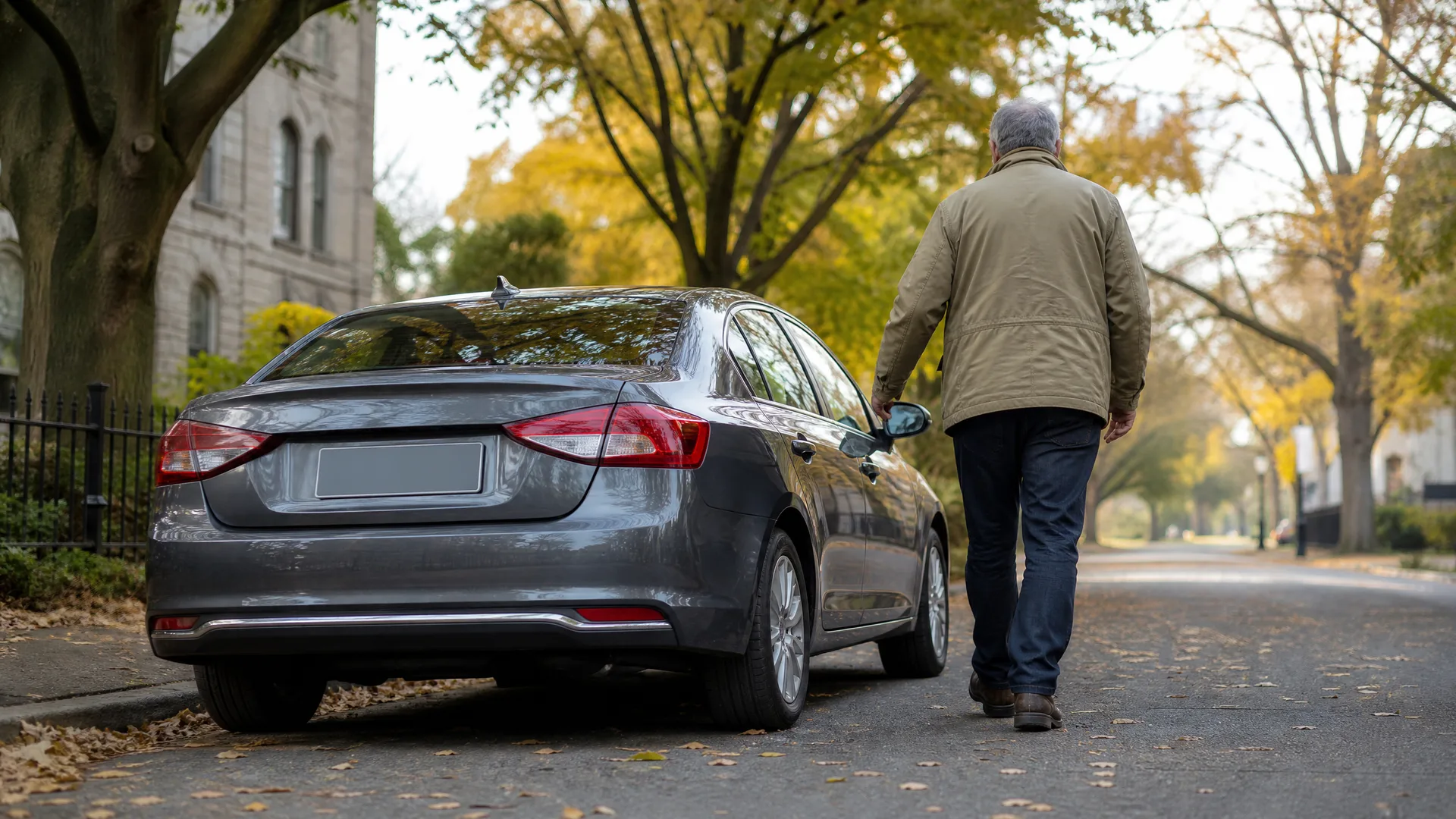
How much you drive changes what you need
If you've cut back on driving, some insurers offer lower rates or usage-based discounts, and that can make it more affordable to keep full uninsured motorist coverage rather than trim it. Driving less doesn't reduce your risk to zero. A crash caused by an uninsured driver can happen on a short trip to the pharmacy just as easily as on the highway.
What often gets missed is that this coverage also applies if you're a pedestrian or a passenger in someone else's car and get hit by an uninsured driver. For a senior who walks more and drives less, that protection can matter even if your own time behind the wheel has gone down.
Your driving record affects your overall premium, but it doesn't change whether you're legally entitled to this coverage in Colorado. A clean record for decades doesn't protect you from someone else's lack of insurance.
Questions people ask about this
Can I drop uninsured motorist coverage in Colorado if I'm on a fixed income?
You can decline it in writing, and insurers must let you. Before doing that, ask what your health insurance would actually cover if an uninsured driver injured you, since medical bills and pain and suffering claims don't disappear just because you're retired.
Does uninsured motorist coverage cost more for older drivers?
Age alone isn't the deciding factor. Insurers weigh your driving record, how much you drive, and your overall policy, so ask your agent directly how your age affects this specific part of your premium rather than assuming it works like other coverage.
What's the difference between uninsured and underinsured motorist coverage?
Uninsured motorist coverage applies when the other driver has no insurance at all. Underinsured applies when they have insurance but not enough to cover your costs. Colorado requires insurers to offer both, and most policies bundle them together.
Does this coverage help if I'm hit as a pedestrian in Colorado?
It can, since uninsured motorist coverage on your auto policy often extends to you as a pedestrian or passenger, not just when you're driving. Confirm this with your insurer, since the exact terms can vary by policy.
Should I keep this coverage if I rarely drive anymore?
Driving less doesn't remove the risk of being hit by an uninsured driver, whether you're in your car or walking nearby. Ask your insurer whether reduced mileage qualifies you for a lower rate on the policy as a whole, rather than dropping this coverage specifically.
See what keeping or adjusting this coverage would actually cost you.

Pull out your current policy declarations page and find the line for uninsured and underinsured motorist coverage. Call your agent and ask what it would cost to keep it, raise it, or drop it, and ask them to explain how your Medicare or supplemental health coverage interacts with it. If you've declined this coverage in the past, ask to revisit that decision now. Have your driving habits and mileage handy, since that affects what an insurer will quote you. Then compare that quote against what other insurers offer for the same coverage before you renew.