Uninsured Motorist Coverage for Seniors in Mississippi
Mississippi lets drivers decline this coverage, but for seniors it's often the part of the policy that matters most.
Yes, and it matters more as you get older
Uninsured motorist coverage pays for your injuries and, in some cases, your vehicle damage when the other driver has no insurance or not enough to cover what happened. Mississippi insurers have to offer it on every policy, though you can turn it down in writing if you want to.
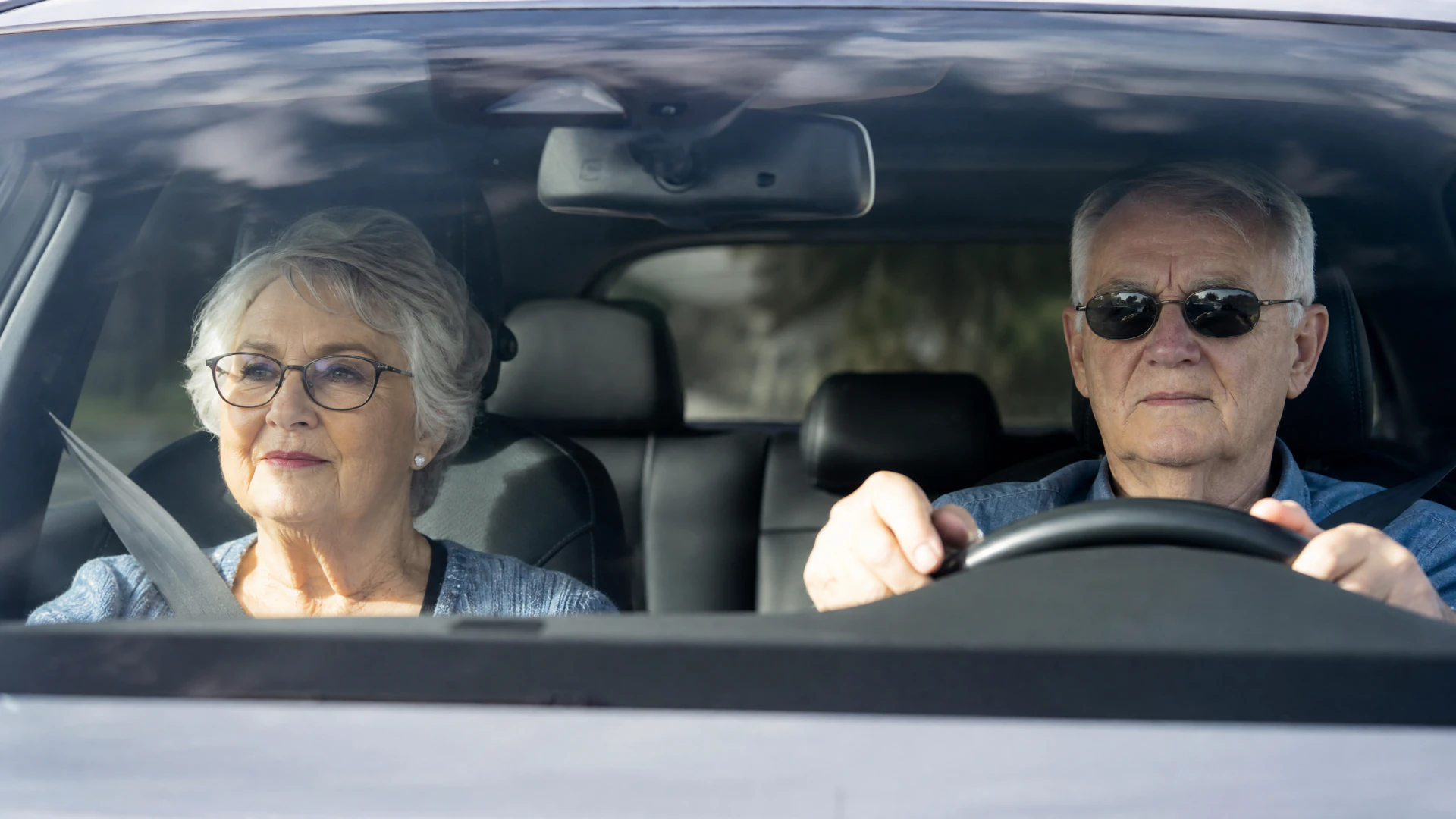
For an older driver, this coverage carries more weight than it does for someone younger. Recovery from an injury takes longer later in life, medical costs run higher, and a serious crash can mean more time away from the things you'd otherwise be doing. If the other driver has no coverage or walked away with the state minimum, this is what stands between you and paying those costs yourself.
Your health coverage changes what you need from it
If you're on Medicare, it will cover a share of your medical bills after a crash regardless of who caused it. That doesn't mean uninsured motorist coverage becomes unnecessary. Medicare doesn't cover lost income, pain and suffering, or the gaps and deductibles that come with your specific plan.
Some people assume that because they have Medicare and a Medigap policy, they're already protected and can skip this coverage or keep it at a low limit. That's a choice you can make, but it should be a deliberate one, not an assumption. Ask your agent how your health coverage and your auto policy would actually work together if you were hit by someone with no insurance.
If you're still working, lost wages matter more, and this coverage is one of the few places in an auto policy that replaces income the at fault driver can't pay. If you're retired, that piece matters less, but medical costs and pain and suffering still apply.
What you carry in liability affects what you should carry here
Insurers generally expect your uninsured motorist limits to match or come close to your liability limits. If you've lowered your liability coverage over the years, maybe because your car is older or you drive less, your uninsured motorist limit may have dropped along with it without you deciding that on purpose.
This is worth checking directly on your declarations page, not assuming. Pull out your renewal notice or your current policy and look at the actual numbers side by side.
If you drive less now than you used to, you might think the odds of being hit by an uninsured driver have gone down. They haven't, since this coverage protects you regardless of who's at fault or how often you're on the road. A single trip is enough for it to matter.
Questions people ask about this
Does uninsured motorist coverage cost more for older drivers?
Age by itself isn't usually what drives the cost of this coverage. Insurers price it more on your limits, your state, and your overall driving record than on how old you are. Ask your insurer directly how your age factors into this specific coverage, since it varies by company.
Can I drop uninsured motorist coverage if I rarely drive anymore?
You can decline it in Mississippi, but driving less doesn't reduce your risk from an uninsured driver hitting you. It only reduces how often you're exposed to that risk. If you still drive at all, even occasionally, the coverage still applies on every trip you take.
What happens if the uninsured driver who hits me has some insurance but not enough?
That situation is usually covered by underinsured motorist coverage, which often comes packaged with uninsured motorist coverage but isn't always identical to it. Check your declarations page or ask your agent whether your policy includes both and what the separate limits are.
Will my health insurance cover everything if an uninsured driver hits me?
Health insurance, including Medicare, typically covers medical treatment but not lost income or pain and suffering. It also won't cover damage to your vehicle. Ask your agent how your specific health plan would interact with a claim before deciding you don't need this coverage.
Does this coverage protect me if I'm a passenger or a pedestrian, not just driving?
In most cases this coverage follows you, not just your car, meaning it can apply if you're a passenger in someone else's vehicle or struck as a pedestrian. Whether that's true for your specific policy depends on its wording, so confirm it with your insurer rather than assuming.
See how your current limits compare before you decide what to keep or change.
Pull out your current declarations page and find your uninsured motorist limit next to your liability limit. If you don't have a recent copy, ask your insurer or agent for one this week. Write down what your health plan, including Medicare or Medigap if you have it, actually pays for after an accident versus what it leaves to you. Then ask your agent directly whether your uninsured motorist limit still matches what you'd want it to be, especially if you've changed your liability coverage or your driving habits recently. If anything in the answer surprises you, that's the moment to compare quotes and see what adjusting this coverage would actually cost.