Uninsured Motorist Coverage for Seniors in South Dakota
South Dakota lets you decline uninsured motorist coverage in writing, but most drivers, including seniors, are better off keeping it.
Uninsured motorist coverage still makes sense for most senior drivers in South Dakota
Uninsured motorist coverage pays for your injuries and your passengers' injuries if the other driver has no insurance or not enough of it to cover what happened. South Dakota requires insurers to offer it, but you can turn it down in writing. Most drivers don't.
For a senior driver, the case for keeping it usually comes down to two things. Medical costs after a crash tend to run higher as you get older, and recovery often involves more care over a longer stretch. If the at-fault driver has no insurance, your own health insurance or Medicare may not cover everything a liability claim would have, and this is the coverage that fills that gap.
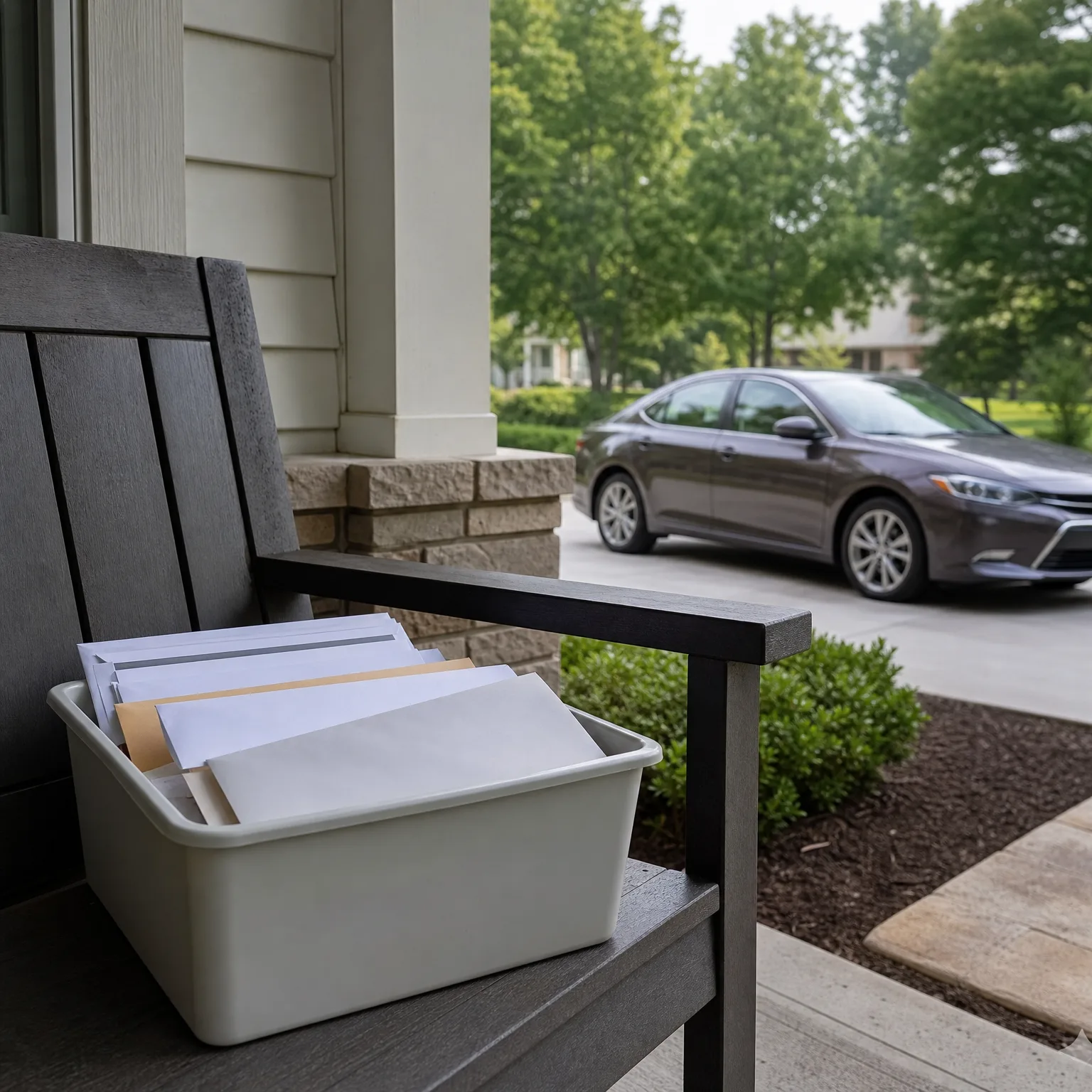
Your health coverage changes what this protects you from
If you're on Medicare, it will cover your medical treatment after a crash regardless of who's at fault or whether the other driver had insurance. That can make it feel like uninsured motorist coverage is redundant. It isn't, because Medicare doesn't pay for lost income, pain and suffering, or long-term care needs the way a liability settlement would.
Uninsured motorist coverage is built to stand in for the other driver's liability insurance when that driver doesn't have any, or doesn't have enough. It covers the kinds of losses Medicare and most private health plans don't touch.
If you carry a Medicare Supplement or Medicare Advantage plan, ask what it covers after an auto accident specifically. Some supplement plans have exclusions or coordination rules for accident claims that aren't obvious until you read the policy.
If someone in your household has a serious health condition that limits how much physical recovery they can manage after an injury, that's a reason to keep this coverage rather than drop it, since the costs of a slow recovery tend to run longer and higher.
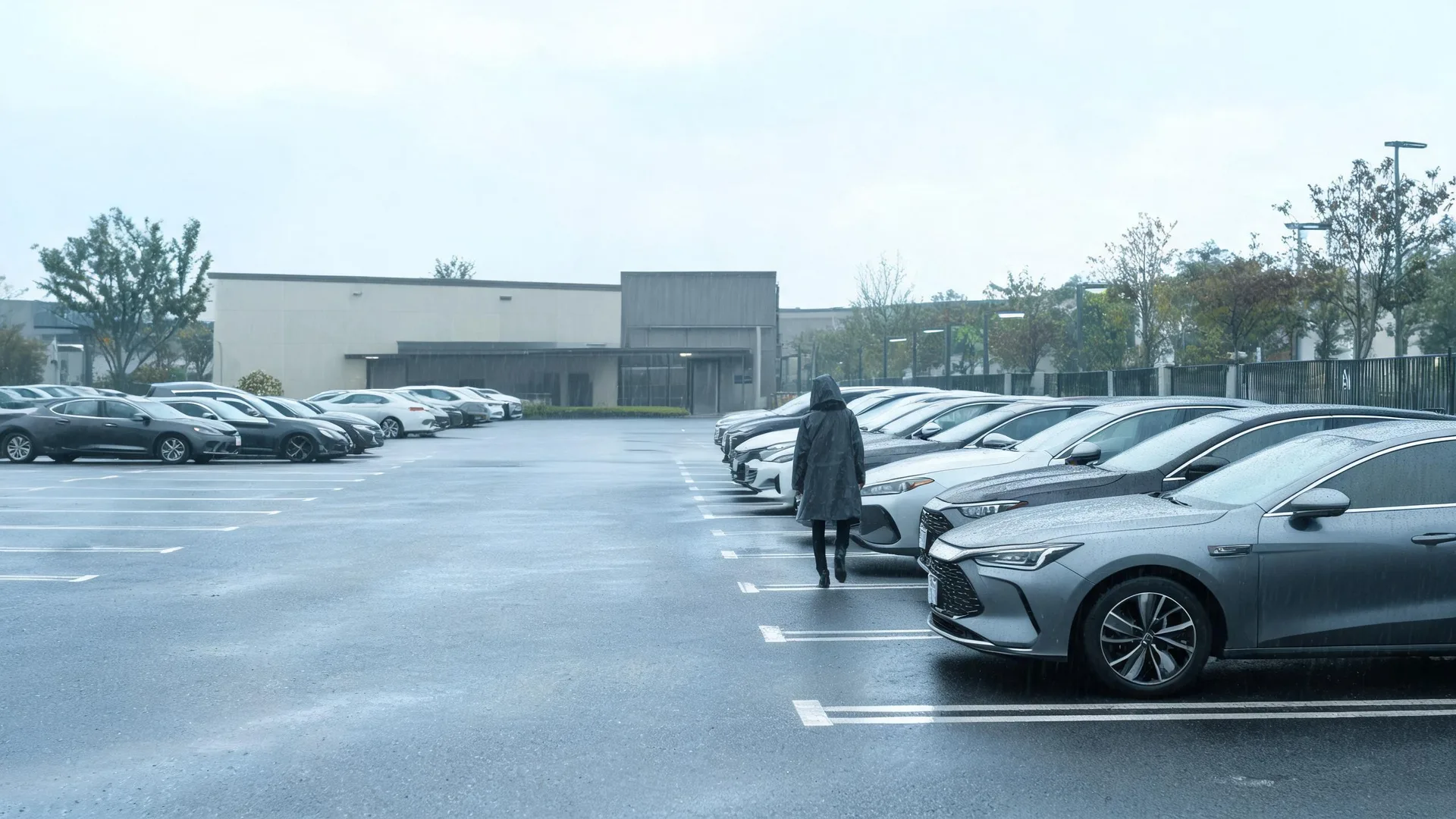
What people get wrong about declining this coverage
Some drivers assume that because they've carried auto insurance for decades without a claim, they can safely drop uninsured motorist coverage to lower the premium. The coverage isn't about your driving record. It's about the other driver's, and you have no control over whether the person who hits you is insured.
South Dakota has a meaningful number of uninsured drivers on the road, and a hit-and-run is treated the same way an uninsured driver would be under most policies, since you can't collect from a driver you can't identify. For an older driver, a hit-and-run or an uninsured driver is a real possibility, not a theoretical one.
Another common mistake is confusing uninsured motorist coverage with underinsured motorist coverage. They aren't the same thing, though many policies bundle both. Underinsured coverage pays when the at-fault driver has insurance but not enough to cover your losses, which happens more often than having no insurance at all. Ask your insurer whether your policy includes both, and at what limits.
If you do decide to decline the coverage, South Dakota requires that decision be made in writing. Read what you're signing. It isn't something an agent can decide for you or assume you want.
Questions people ask about this
Does uninsured motorist coverage cost more for older drivers in South Dakota?
It depends on your insurer's underwriting, not a blanket rule tied to age. Some insurers weigh age alongside driving record, vehicle, and claims history differently. Ask your insurer directly how they price this coverage for your situation rather than assuming it follows a pattern.
What happens if I'm hit by an uninsured driver and I declined this coverage?
You'd be responsible for your own medical bills and vehicle repairs beyond what your health insurance and collision coverage pay, and you'd have no insurance claim to pursue against the other driver for pain and suffering or lost income. Your only recourse would be suing the driver directly, which is often not worth pursuing if they have no assets or insurance.
Can I add uninsured motorist coverage back after declining it?
Yes, you can typically add it at any point by contacting your insurer, not just at renewal. There may be a short waiting period before the coverage takes effect, so ask your insurer when it would actually apply to a claim.
Does uninsured motorist coverage apply if I'm a passenger in someone else's car?
In many cases yes, if your own policy includes this coverage, it can extend to you as a passenger in another vehicle, not just when you're driving your own car. Confirm this with your insurer, since how it applies can depend on the specific policy language.
Is uninsured motorist coverage required in South Dakota?
No, but insurers are required to offer it and you must decline it in writing if you don't want it. If you never signed a written rejection, you likely already have this coverage on your policy.
See how uninsured motorist coverage compares across insurers before you decide to keep it or drop it.
Pull out your current policy declarations page and look for uninsured and underinsured motorist coverage listed as separate line items. Call your insurer and ask what your limits are, whether you've ever signed a written rejection, and how those limits compare to your liability limits. If you're on Medicare or a supplement plan, ask your plan what it actually covers after a car accident, since the answer isn't always what people assume. Once you know what you have, compare quotes from other insurers to see what the same coverage would cost elsewhere before you make any changes.