What If My Older Car Is Totaled Without Collision
If you don't carry collision coverage, your own insurer pays nothing toward an older car that's totaled, no matter your age.
No collision coverage means no payout from your insurer
If your car is totaled and you don't carry collision coverage, your own insurer won't pay you anything for the damage to your car. Collision coverage is what pays for your car regardless of who caused the crash, and without it, that path to a payout doesn't exist.
The one exception is if another driver caused the accident. Their liability coverage can pay for your car in that case, since it's their insurer paying for damage they caused, not yours. If the accident was your fault, or the cause can't be pinned on anyone, there's no one left to pay.
Whether the other driver was at fault changes everything
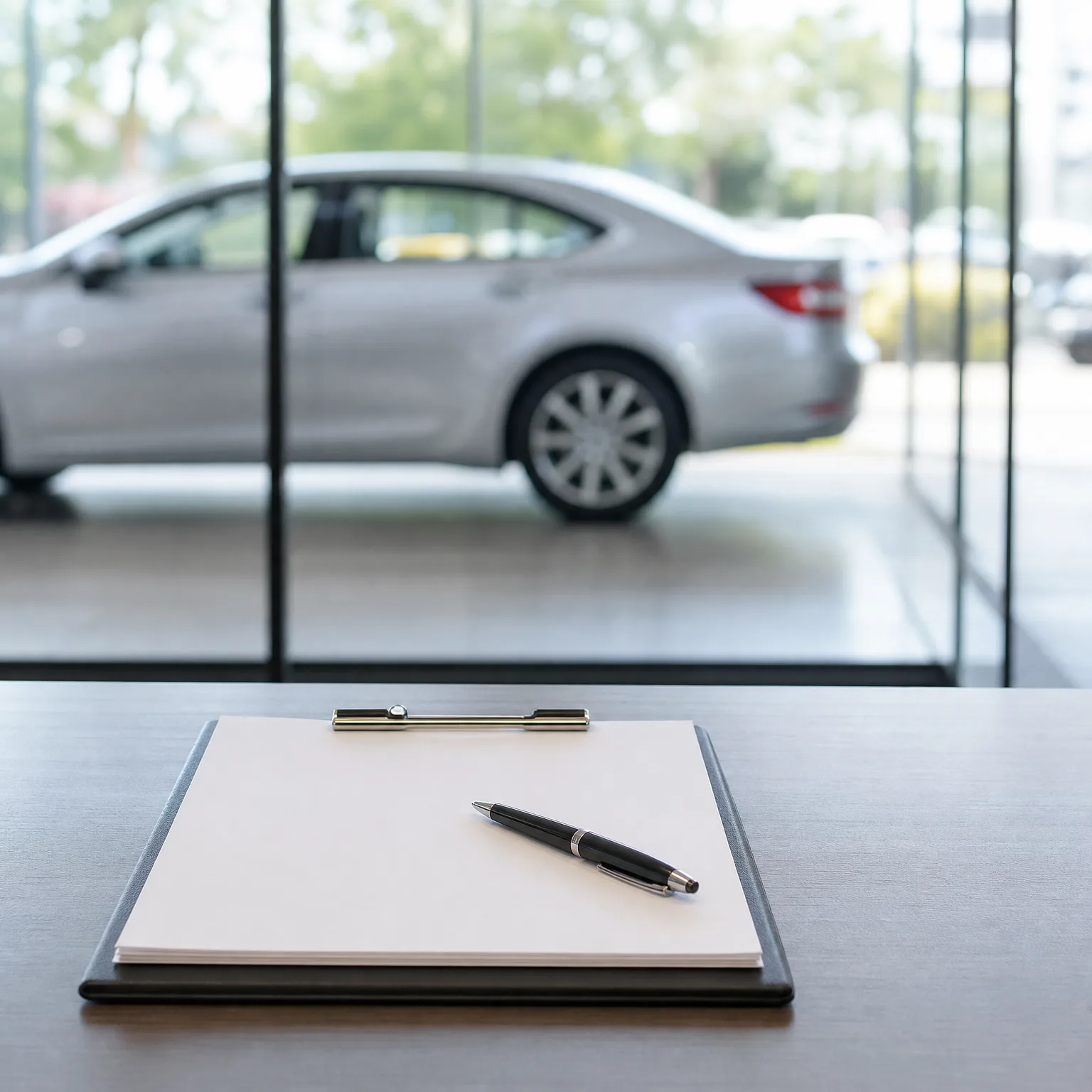
If another driver is found at fault, you can file a claim against their liability coverage for the value of your car. That claim doesn't depend on what coverage you carry. It depends on their insurer agreeing their driver caused the accident.
If fault is split, or the other driver is uninsured or underinsured, the payout can shrink or disappear even though someone else caused the wreck. Ask your state's DMV or insurance department how fault is determined where you live, since some states reduce your payout by your share of fault and some block it entirely once you're found more than half responsible.
If you were at fault, or it was a single car accident like hitting a deer or sliding on ice, there's no other driver's insurer to turn to. That's the situation collision coverage exists for, and it's also the situation where going without it costs the most.
What the car was worth before the crash
Any payout, whether from your insurer or another driver's, is based on what your car was worth right before the accident, not what you paid for it or what it would cost to replace. For an older car, that number is often lower than people expect.
This is also why some drivers choose to drop collision coverage on an older car in the first place. If the car's value is low enough, the payout from a collision claim might not be much more than what you'd pay in premiums over time to keep that coverage. That tradeoff is worth running with your own numbers, using your car's actual value and your actual premium, rather than a general rule.
If you're deciding whether to keep or drop collision coverage, ask your insurer what your car's estimated value is and what the collision portion of your premium costs. Compare that to what you'd lose if the car were totaled with no one else at fault.
Questions people ask about this
Can I still get liability coverage without collision on an older car?
Yes, liability coverage and collision coverage are separate, and most states only require liability. You can carry liability alone and skip collision and comprehensive, which is what many owners of older cars do.
Does comprehensive coverage help if my car is totaled?
Comprehensive covers damage from things other than a collision, like theft, fire, or a falling tree, not a crash with another vehicle. If your car is totaled in an accident, comprehensive doesn't apply. Collision is the coverage that responds to crash damage regardless of fault.
How do I find out what my car is worth before deciding on coverage?
Your insurer can usually tell you the value it would use if your car were totaled, since that's the number a payout would be based on. You can also check used car listings for the same make, model, year, and condition to get a sense of market value on your own.
What happens if the other driver has no insurance and my car is totaled?
If you don't have collision or uninsured motorist property damage coverage, you may have no way to recover the value of your car from either insurer. Check whether your policy includes uninsured motorist property damage, since that's the coverage meant for this exact situation.
Should I drop collision coverage as my car gets older?
That depends on your car's value, your premium, and how much risk you're comfortable carrying yourself. There's no set age or mileage where dropping collision makes sense for everyone, so it's worth comparing your car's value against your collision premium each time you renew.
See what it would cost to add collision coverage back, or to compare it against what you're paying now.
Pull out your current policy and find out whether collision coverage is listed on it. If it isn't, call your insurer and ask what your car's estimated value is and what collision coverage would add to your premium. Compare that premium against the value of the car to decide if it's worth adding back. If you're unsure how fault is handled in an accident where you live, ask your state's insurance department or check its website before you need the answer. Do this before your next renewal, not after an accident has already happened.