What Is Basic Car Insurance Coverage
Basic coverage is whatever your state says you must carry to drive legally, and in most states that means liability only.
It's the minimum your state requires, not a standard package
Basic car insurance isn't one fixed product. It's the least amount of coverage your state's law allows you to drive with, and that minimum is different from state to state. In most places it means liability coverage, which pays for damage and injuries you cause to someone else. It does not pay to fix or replace your own car.
Some states also require a small amount of coverage for your own medical bills or for an accident with a driver who has no insurance. Whether that's part of your state's basic requirement is something only your state can answer, so check with your state's insurance department or your own agent before you assume you're covered for more than liability.

Your state sets what counts as basic
The word basic only means something once you know your state's law. Two neighbors in different states can both carry the legal minimum and have different coverage entirely. One state's minimum might include a small amount for medical payments, another's might not.
Your renewal notice or declarations page will list exactly what you're paying for, broken out by type. If you see only liability limits listed, that's likely all you have. If you want to know what your state requires by law, rather than what your policy happens to include, your state's insurance department website will have it, or you can ask your insurer directly.
This matters most if you're comparing a quote from a company in a different state, or if you've moved. A policy written to satisfy one state's minimum won't automatically adjust to meet a different state's rules.
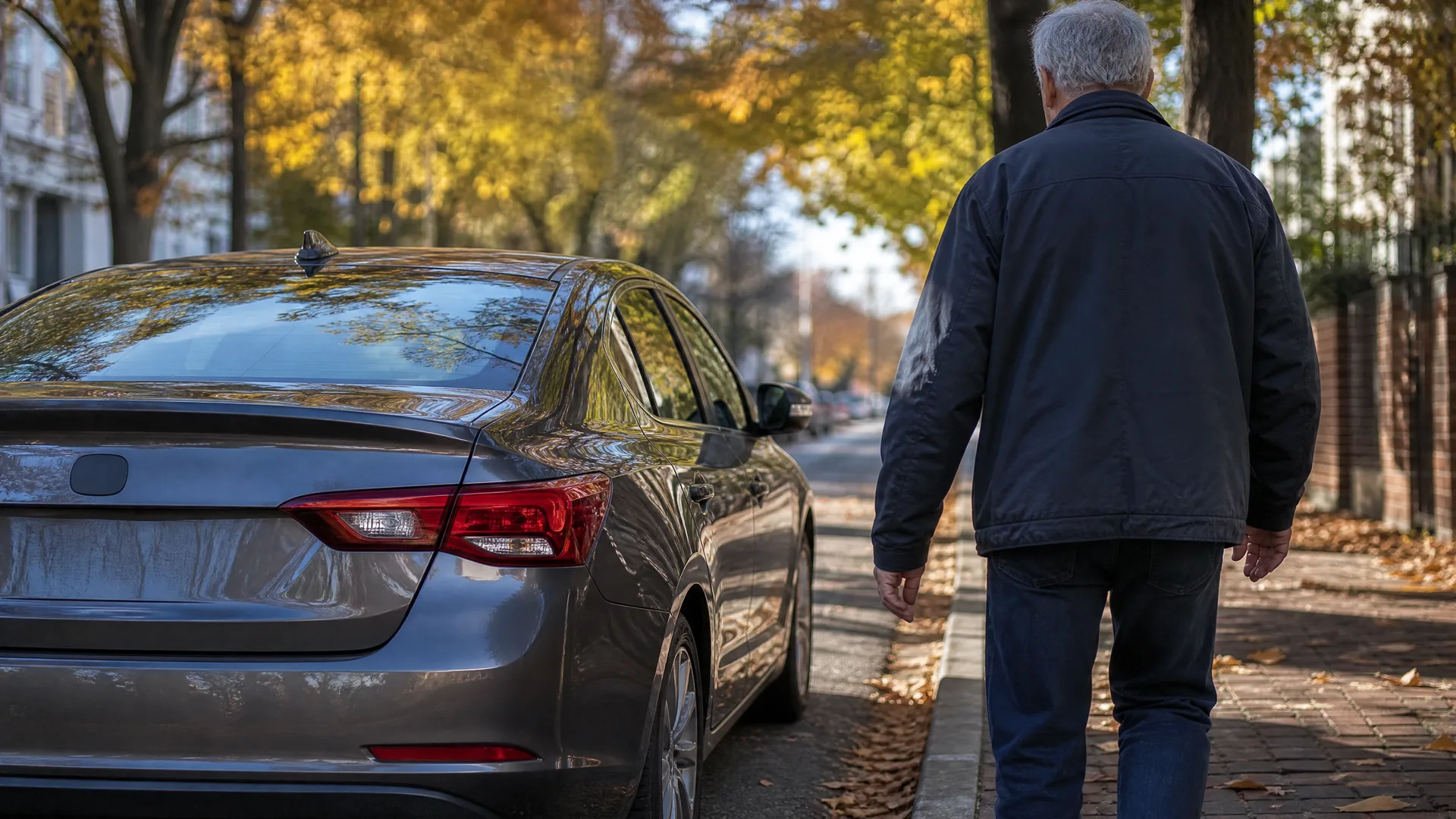
What basic coverage leaves you paying for yourself
Liability-only coverage pays the other driver, not you. If you're in an accident that's your fault, or one where fault isn't clear yet, your own car's damage comes out of your pocket unless you've added collision coverage on top of the basic minimum.
The same goes for your own injuries in many states. Basic liability doesn't cover your medical bills from an accident you caused. Some states require a separate add-on for that, often called personal injury protection or medical payments coverage, but whether that's required or optional depends on where you live.
If your car is older and not worth much, carrying only the state minimum is a choice some drivers make on purpose, since the cost of replacing an older car may not justify paying for collision coverage. If your car is newer or you'd struggle to replace it, that same minimum coverage may leave you with a real gap.
Questions people ask about this
Does basic car insurance cover a rental car?
Usually not beyond what your liability coverage would pay if you caused damage to someone else while driving the rental. It typically won't pay to repair the rental car itself. Check with your insurer about how your policy treats a rental, since this varies by company.
Is basic car insurance enough if I still owe money on my car?
Most lenders require more than the state minimum. If you have a loan or lease, your lender likely requires collision and comprehensive coverage as a condition of the loan, regardless of what your state requires to drive legally. Check your loan agreement or ask your lender directly.
Can I add more coverage later if I start with the basic minimum?
Yes, you can typically change your coverage at any point, not just at renewal. Call your insurer or agent and ask what it would cost to add collision, comprehensive, or other coverage to your existing policy.
What happens if I cause an accident that costs more than my basic coverage pays?
You're responsible for the difference out of your own pocket. Liability coverage pays up to your policy's limit, and anything beyond that is yours to cover. This is one reason some drivers choose limits higher than their state's minimum.
Does basic coverage include coverage for a windshield or theft?
No, those fall under comprehensive coverage, which is separate from the liability coverage that makes up most state minimums. If you want protection against theft, weather damage, or a cracked windshield, ask your insurer whether comprehensive coverage is available to add.
If you want to see what more than the minimum would actually cost you, it helps to compare a few quotes side by side.
Pull out your current declarations page and find the line that lists your liability limits. Call your state's insurance department or check its website to see what your state actually requires, since your policy may include more or less than that minimum. If you have a loan on your car, check the loan agreement for any coverage requirements your lender has set. Once you know both numbers, the state minimum and what your lender requires, you'll know whether basic coverage is even an option for you right now. If it is, decide whether the money you'd save is worth what you'd pay out of pocket after an accident.