What Is Physical Damage Coverage on Car Insurance
Physical damage coverage is the part of your policy that pays to fix or replace your own car, not the other driver's.
It covers your car, not anyone else's
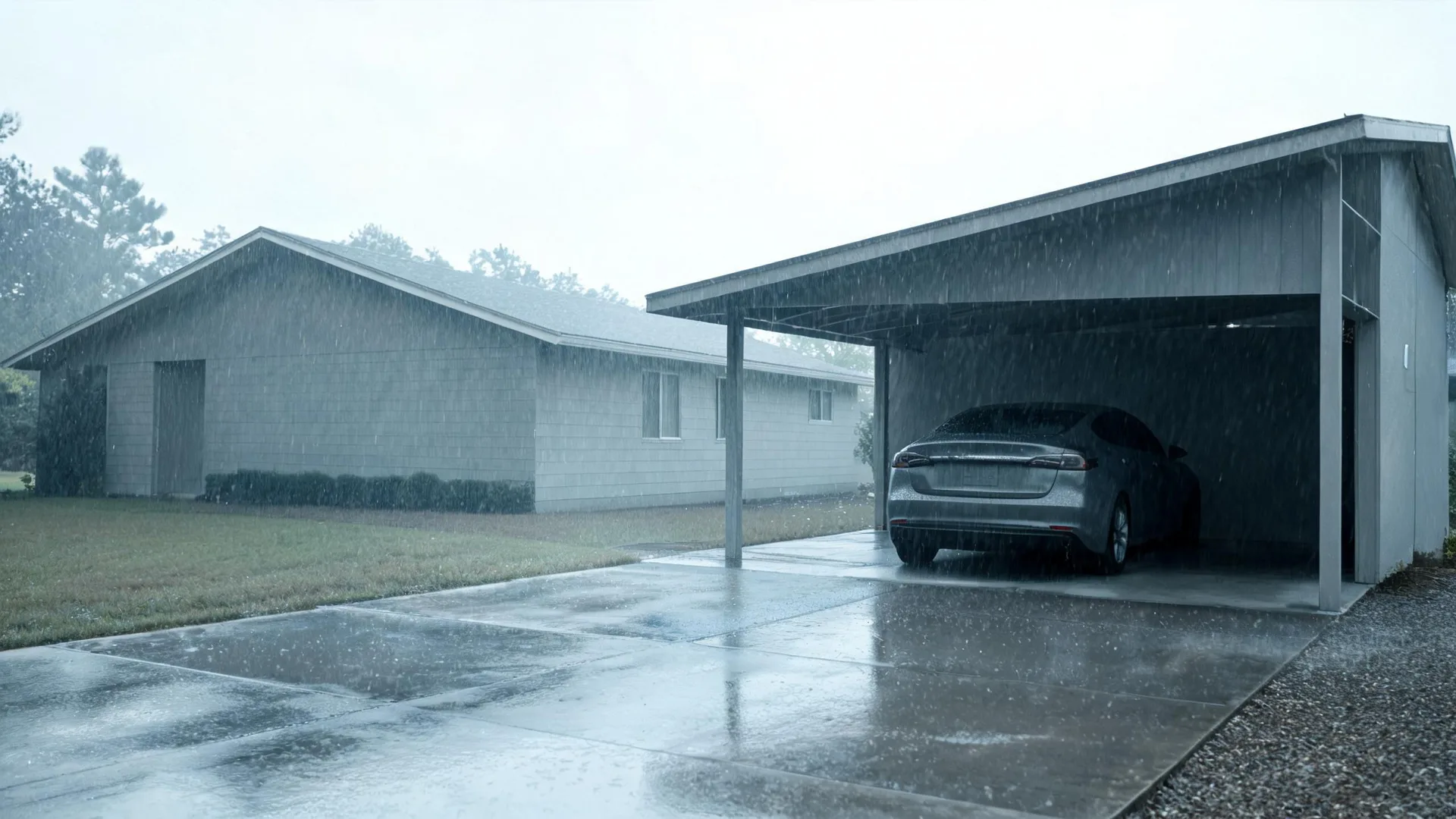
Physical damage coverage is the combination of collision and comprehensive coverage. Collision pays to repair your car after it hits something or something hits it. Comprehensive pays for damage from things other than a crash, like a tree branch, a theft, or a hailstorm.
Liability coverage, which every state requires in some form, only pays for damage you cause to someone else's car or property. If you want your own car covered, you need physical damage coverage added on top of that.
What your car is worth changes whether it makes sense
The value of your car is the main thing that decides whether carrying this coverage is worth it. An insurer will never pay out more than your car is worth, no matter how much the repair costs. If your car is older and worth little, the payout in a claim may not be much more than what you already pay in premium over a few years.
If you're still making payments on the car, your lender almost certainly requires collision and comprehensive coverage as a condition of the loan. That's not optional until the loan is paid off.
Once a car is paid off, some drivers choose to drop collision and comprehensive and keep only liability, especially if they could afford to replace the car without help. Others keep it because they'd rather not take that risk. Either can be a reasonable choice, depending on what you can afford to lose.
If you're not sure what your car is worth now, that's the first thing to find out before deciding either way.
Comprehensive and collision are separate choices
You can carry one without the other. Some drivers keep comprehensive, which is often the cheaper of the two, and drop collision, figuring they're more worried about theft or weather than about causing a crash themselves.
Both coverages usually come with a deductible, the amount you pay out of pocket before the coverage pays the rest. A higher deductible generally lowers what you pay for the coverage, but it also means more cost to you at the time of a claim.
Your driving record matters here too. Collision coverage is priced in part on the chance you'll cause an accident, so a clean record can make it more worth carrying rather than less. Comprehensive isn't tied to your driving the same way, since it covers things outside your control.
Check your policy declarations page to see whether you currently have one, both, or neither. It will list collision and comprehensive separately along with their deductibles.
Questions people ask about this
Does physical damage coverage include a rental car after an accident?
No, that's a separate coverage usually called rental reimbursement. Physical damage coverage pays to repair or replace your own car. If you want a rental car paid for while yours is in the shop, you need to add rental reimbursement separately and check what daily limit and time limit it carries.
Is physical damage coverage the same as full coverage?
Full coverage isn't an official term, but people generally use it to mean liability plus collision and comprehensive together. Physical damage coverage refers specifically to the collision and comprehensive part. When someone says they have full coverage, physical damage coverage is the piece that makes it full.
Does physical damage coverage pay if I hit a deer?
Hitting an animal is typically covered under comprehensive, not collision, even though it feels like a collision. Insurers draw that line because it's considered outside your control. If you only carry collision and not comprehensive, a claim like this wouldn't be covered. Check your declarations page to confirm you have comprehensive if this is a real concern where you live.
Can I drop physical damage coverage if my car is old?
You can, as long as you don't have a loan or lease requiring it. Once a car is paid off, the decision comes down to what the car is worth versus what you'd pay in premium to keep it covered. There's no rule that says you must carry it on an older car, it's a judgment call based on the car's value.
Will physical damage coverage pay the full cost to replace my car if it's totaled?
It pays the car's actual cash value at the time of the loss, not what you originally paid or what it would cost to buy the same car new. That value accounts for age, mileage, and condition. If you want protection closer to the original price, ask your insurer whether they offer a gap or new-car replacement option.
If you're trying to figure out whether this coverage is worth what you're paying for it, comparing quotes side by side is the clearest way to see your options.
Pull out your current policy's declarations page and look for collision and comprehensive, along with their deductibles. Find out roughly what your car is worth right now using a value guide, so you can judge the coverage against the car itself. If you still owe money on the car, check your loan agreement for what coverage it requires. Then decide if you want to keep what you have, raise or lower your deductibles, or drop a piece of it. Once you know what you want, get quotes with those exact coverages so you're comparing the same thing across insurers.