Am I Liable if My Friend Crashes My Car
Your insurance generally pays first because coverage follows the car, not the person driving it.
Your policy is the first one that pays
If you let a friend borrow your car and they crash it, your insurance is usually the one that responds, not theirs. Insurers call this permissive use. You gave permission, so the policy attached to the car covers the accident.
This holds as long as your friend had your okay to drive and wasn't excluded from your policy by name. If the damage goes past what your policy covers, your friend's own insurance can sometimes be asked to cover the rest, but that depends on their policy and your state's rules.
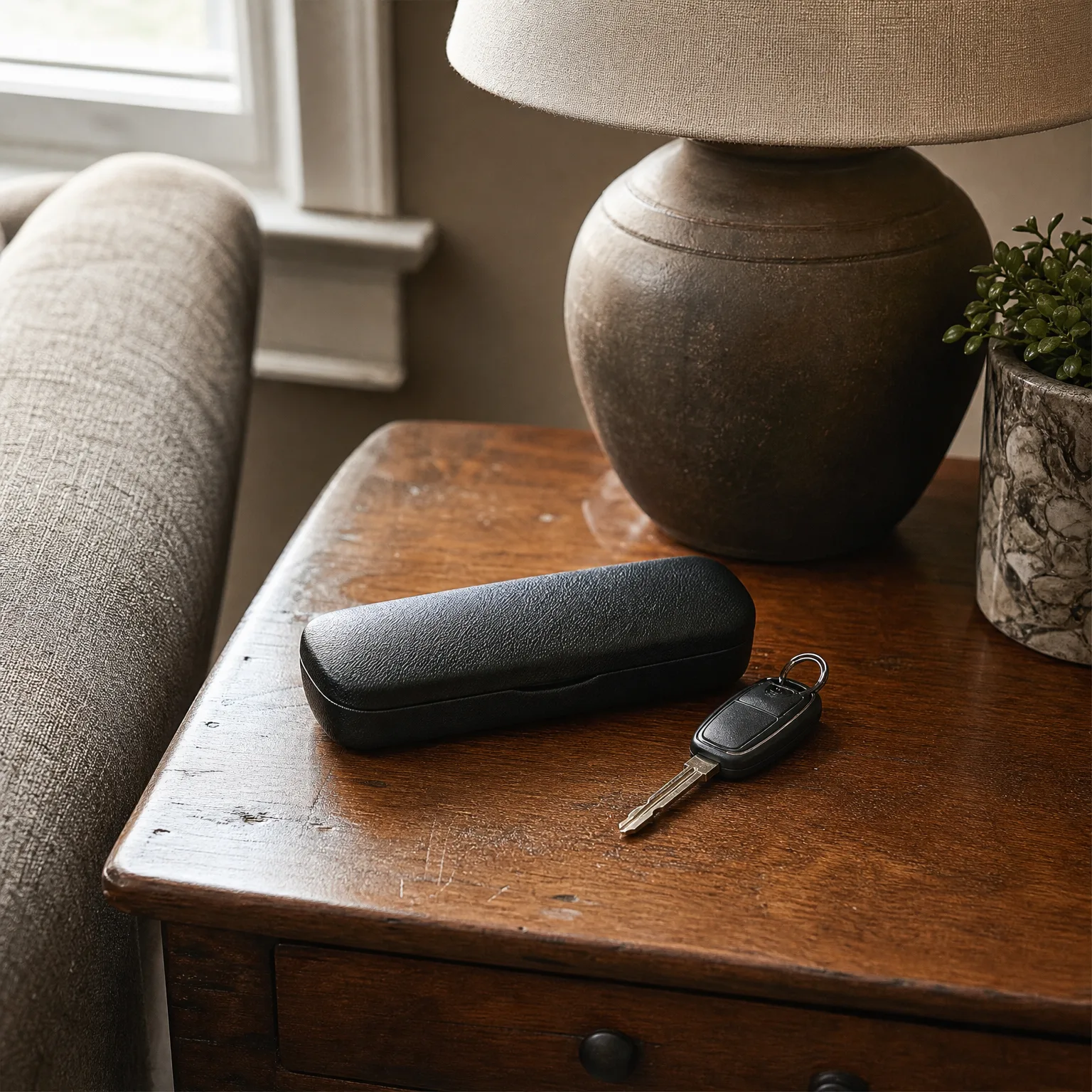
Whether your friend was actually permitted to drive
Permission doesn't have to be in writing. If you handed over the keys and said go ahead, that counts. If your friend took the car without asking, that's a different situation, and your insurer may treat it as unauthorized use rather than a normal claim.
Some policies name specific excluded drivers, usually someone in your household with a bad record. If your friend is excluded by name, your policy won't cover them even with permission, and that's worth checking before you hand over your keys again.
If there's any question about whether the use was permitted, your insurer will ask you directly. Be honest about it. Saying a theft happened when it didn't can cost you the claim entirely.
What your policy actually covers
Your liability limits apply to this accident the same way they'd apply if you were driving. If your friend causes serious damage or injury and the costs go over your limits, you could be asked to cover the difference personally, since it's your policy and your car.
Your collision coverage, if you have it, pays for damage to your own car regardless of who was driving, minus your deductible. If you only carry liability coverage, repairs to your car come out of your own pocket.
A claim like this can affect your rates at your next renewal, even though you weren't driving. That's because the claim is tied to your policy, not to your friend's driving record.
Questions people ask about this
Does my friend's insurance ever pay instead of mine?
Sometimes, but only as a secondary layer. If the damage or injury costs exceed your policy's limits, your friend's own insurer can be asked to pay the remainder, if their policy allows it. Ask your insurer how this works in your state before assuming it.
Will my rates go up if my friend crashes my car?
They can, because the claim is filed against your policy regardless of who was driving. Whether it actually raises your premium depends on your insurer's rules and your claims history. Ask your agent how an at-fault claim like this would be treated.
What if I told my friend they could not drive my car?
If your friend drove without your permission, your insurer may not treat this as a normal permissive use claim. Some policies still offer limited coverage in cases of unauthorized use, but this varies by insurer. Call your insurer and explain exactly what happened.
Should I list my friend as an occasional driver?
If they borrow your car regularly, tell your insurer. Most policies expect you to disclose anyone who drives your car often, and leaving someone off can affect a claim later. Ask your insurer where the line is between occasional and regular use.
Can I remove a friend from my car's coverage after this happens?
You can ask your insurer to formally exclude a specific driver from your policy going forward. This means that person would no longer be covered if they drive your car again. Your insurer can tell you how to set this up.
See how policies in your state handle a driver who isn't you.
Call your insurer before you lend your car out again and ask exactly how permissive use works on your policy. Ask what happens if damage costs go past your liability limits, and whether your friend's insurance would be expected to help cover the rest. If your friend drives your car often, ask whether they need to be added as a listed driver instead of relying on occasional permission. Keep a note of who you've given permission to and when, in case you ever need to explain it to your insurer. If you're ever unsure whether someone should be driving your car, ask your agent first rather than finding out after an accident.