When to Stop Fixing an Old Car
There's no fixed age or mileage where a car becomes not worth fixing. It comes down to what the next repair costs against what the car is worth to you and what a different car would cost to insure and maintain.
Compare the repair cost to the car's value and to your other option
Stop fixing the car when a repair, or the repairs you can see coming, cost more than the car is worth to you or more than you'd spend getting into something else. That's the comparison that matters, not the car's age by itself.
A car can run fine at a high mileage and still be worth fixing. A newer car can hit a repair bill that makes more sense to walk away from. Look at what's actually broken and what it will cost to fix it, then weigh that against the car's current value and what your insurance and upkeep would look like on a replacement.
What the repair actually buys you
A repair that fixes one failing part is different from a repair that's the first of several. If the shop tells you the transmission needs work now and the suspension is next, you're not paying for one fix, you're paying for a car that keeps needing them.
Ask the mechanic directly what else they'd expect to go wrong soon, given the car's condition. A straight answer here tells you more than the age or the mileage does.
If the repair gets you a car that runs well for years afterward, it's probably worth doing. If it gets you a car that runs until the next thing breaks, the math changes.
Check what the car is worth right now, not what you paid for it or what you feel it's worth. A repair that costs more than the car's current value rarely pays for itself.
What a different car would cost you in insurance
Replacing an old car changes your insurance, and not always in the direction people expect. An older car may be cheap to insure for liability and comprehensive because it's not worth much. A newer or more expensive replacement can raise your premium even if it's more reliable.
Before you decide, get a sense of what insurance would cost on the car you'd replace it with. That number belongs in the decision alongside the repair estimate and the car's value.
If you're keeping the same car for years to come, ask your insurer whether your current coverage still makes sense. A car that's lost a lot of value may not need the same comprehensive coverage it did when it was new.
If you do replace the car, ask your insurer or agent how the switch would affect your policy before you buy anything, not after.
Questions people ask about this
Is it worth fixing a car if the repair costs more than it's worth?
Usually not, if you're measuring the car's current market value against the repair bill. The exception is a car that still serves you well and would be expensive to replace, where paying above its market value to keep it running still costs less than buying something else and insuring it.
Should I fix my car or buy a new one?
That depends on what the repair fixes, what else is likely to go wrong, and what a replacement would cost you including insurance. There's no set point where buying is automatically the right call. It comes down to comparing the real numbers for your situation, not the car's age.
Does an old car cost more to insure?
Not necessarily. Many older cars cost less to insure because they're worth less, so comprehensive and collision coverage cost less too. What raises cost on an older car is usually the car's safety record or repair cost, not its age by itself. Ask your insurer how your specific car rates.
Can I drop coverage on an old car I'm about to replace?
Check with your insurer before you do. If you're planning to sell or trade in the car soon, ask whether you can adjust coverage now or whether it makes more sense to wait until the new car is in hand, since gaps in coverage can affect your insurance history.
How do I know what my old car is worth before deciding to fix it?
Get an independent estimate of the car's current value rather than relying on what you paid or what you assume. Several free valuation tools exist for this. Compare that number honestly against the repair estimate before you decide.
If you're thinking about replacing the car, it helps to know what insurance would cost before you commit to anything.
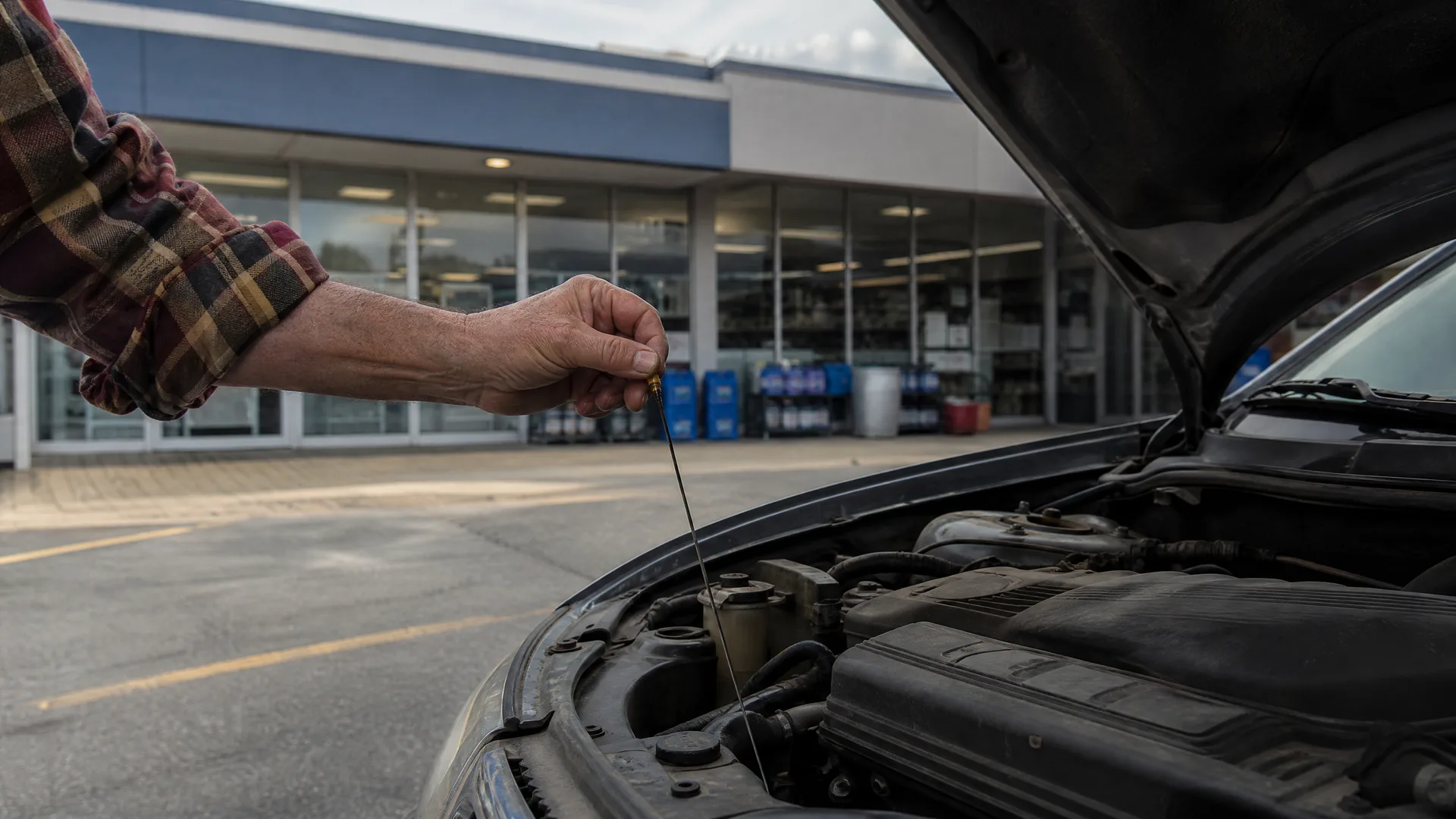
Get a written estimate for the repair and ask the mechanic what else they expect to need attention soon. Look up the car's current market value using an independent source. If you're weighing a replacement, get a sense of what insurance would cost on that car before you buy it. Call your current insurer and ask whether your coverage still fits a car that's lost value, since dropping comprehensive or raising your deductible might make sense. Put the repair cost, the car's value, and the replacement's insurance cost side by side before deciding anything this week.