How to Tell If a Repair Is Worth It on an Old Car
A repair is worth it when the cost stays well under what the car is worth and what replacing it would cost you.
Compare the repair to the car's value, not its age
An old car with a worn transmission and an old car with a cracked windshield are two different decisions, even though both are old. Age by itself tells you how long the car has been around. It doesn't tell you what's wrong with it now or what fixing that will cost against what the car is worth.
The working number is simple. Get the repair estimate, then find out what the car is actually worth in its current condition, not what you paid for it or what you feel it's worth. If the repair costs a large share of that value, you're paying a lot to keep a car that still has every other old-car problem waiting in line behind this one.

What else is likely to break soon
A single repair rarely tells the whole story on an older car. If the estimate is for a water pump and the mechanic mentions the timing belt is original and due, that's not a separate decision, that's the real cost of keeping the car running.
Ask the mechanic directly what else they see that's close to failing. Most will tell you if you ask, because they've already looked under the hood for this estimate. A car that needs one fix is a different call than a car that needs one fix now and three more within the year.
This matters more for parts tied to safety or to the drivetrain, brakes, suspension, the transmission, than for things like trim or a sensor light. Replacing a few of those in close succession can add up to more than the car is worth, even if each repair looks reasonable on its own.
What it would cost to replace the car
The other side of the comparison is what you'd actually spend to replace this car, not an ideal car, the one you'd actually buy. If a reliable used replacement costs several times the repair, fixing the one you have is usually the cheaper path even if the repair isn't small.
Factor in your insurance too. A newer or different replacement car will likely carry a different premium, and that's worth checking before you decide, since it changes the real cost of switching.
There's also the matter of what you already know about the car you have. A car you've driven for years, where you know its habits and its history, carries less risk than a used replacement you're buying on faith. That's worth something, though it's not a number you can put on the estimate.
Questions people ask about this
Is it worth fixing a car with a blown engine or transmission?
It depends entirely on what the car is worth and what a replacement engine or transmission costs installed, which is often close to or more than the car's value. Get a written estimate for the repair, then find the car's current value, and compare the two directly before deciding anything.
Should I fix my car or trade it in with a known problem?
Dealers typically offer less for a car with a disclosed problem than the cost of fixing it yourself, since they'll fix it and resell at a markup. If you're leaning toward trading in, get the trade offer in writing both with and without the repair done, and compare that to a repair estimate from your own mechanic.
Does fixing an old car affect my car insurance rate?
Routine repairs don't typically affect your premium on their own, since insurers price based on the car's make, model, and year rather than its repair history. If the repair follows an accident claim, that claim is what affects your rate, not the repair itself. Check with your insurer if you're unsure which applies to your situation.
How do I find out what my old car is actually worth?
Look up the car's value using its specific mileage, condition, and options rather than a generic estimate for its make and model, since those details change the number significantly. A few independent valuation sources will give you a range, and that range is what you should compare against any repair estimate.
Is it cheaper to keep repairing an old car than to make payments on a new one?
This depends on how often the old car needs repairs and how reliable it's been, not just on its age. Add up what you've spent on repairs over the last year or two and compare that total to what a monthly payment plus insurance on a replacement would cost over the same period.
If you're weighing a repair against a replacement, see what a different car would actually cost you to insure first.
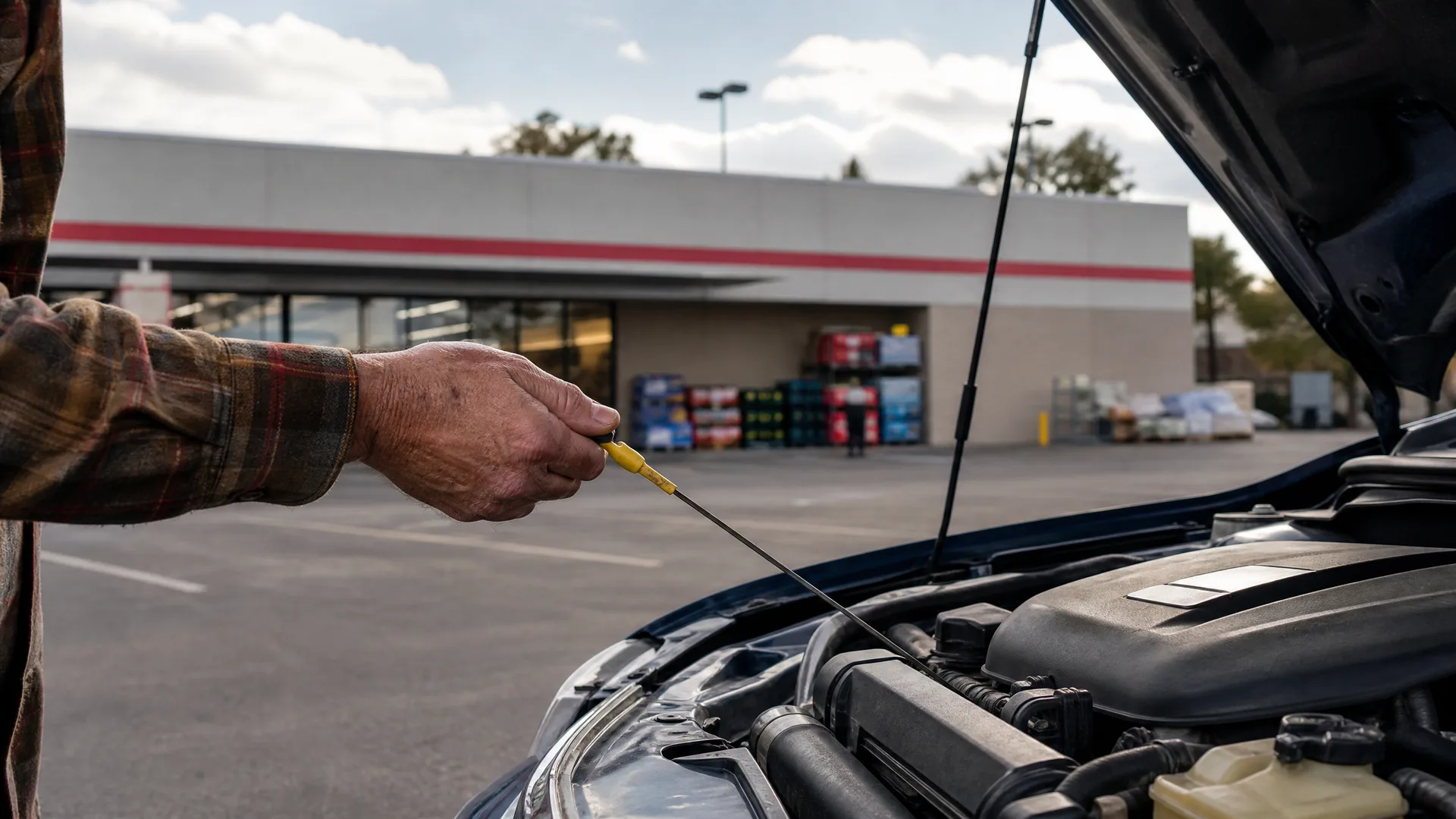
Get a written estimate from your mechanic that separates the repair in front of you from anything else they expect to need attention soon. Look up what your car is worth right now in its actual condition, not its original price. Call your insurer or check your policy to see how a replacement car, newer or used, would change your premium. Lay the repair cost, the car's value, and the replacement cost side by side before you decide. If the numbers are close, ask the mechanic directly how much longer they'd expect the car to run without another major repair.