At What Point Does Collision Insurance Stop Being Beneficial
Collision coverage is worth dropping once your car's value is low enough that a payout would barely cover the deductible.
It stops paying off when your car isn't worth much anymore
Collision insurance pays to repair or replace your car after an accident you caused, up to what the car is worth. Once that value drops low enough, the most you could ever collect gets close to your deductible, and the coverage isn't doing much for you anymore.
The way to see this clearly is to compare three numbers: what you pay each year for collision coverage, your deductible, and your car's actual cash value. If the premium plus deductible starts to rival what the car is worth, you're paying to insure something that wouldn't pay you back much if it were totaled.
Your car's actual cash value
An insurer will never pay you more than your car's actual cash value, no matter how much damage it has. That value is set by the insurer based on comparable sales, mileage, and condition, not by what you paid for it or what you think it's worth.
You can get a rough sense of this yourself by checking what similar cars, same year, make, model, and mileage, are selling for nearby. If that number is low, a collision claim would only ever pay out a small amount.
When the payout gets close to your deductible, you're close to the point where coverage stops making sense. If a claim would only net you a few hundred dollars after the deductible, you're carrying the cost of coverage for very little protection in return.
This is worth checking every year or two, not just once. A car's value keeps dropping, so a decision that made sense a few years ago is worth revisiting.
What you're paying for the coverage itself
Collision premiums don't scale down automatically as your car ages. Some insurers adjust them based on the car's value, others keep the rate closer to flat, so your premium can stay roughly the same even as the payout you'd get keeps shrinking.
Add up what you've paid for collision coverage over the past year or two. If that total is approaching what the car is worth, you've already paid, in premiums alone, close to what the insurer would hand you in a total loss.
Your deductible matters here too. A higher deductible lowers your premium, but it also eats further into a payout that's already small. At some point the math works against you from both directions.
Ask your insurer directly what your car's current value is and what you're paying specifically for collision versus the rest of your policy. That's the comparison that tells you whether to keep it.
Questions people ask about this
How do I find out what my car is currently worth?
Ask your insurer for the actual cash value they'd use in a claim, since that's the number that actually matters here, not a private sale estimate. You can also check listings for similar cars nearby to get a rough sense before you call.
Should I drop collision and keep comprehensive?
You can carry comprehensive without collision, and many drivers do once their car's value drops, since comprehensive covers theft, fire, and weather at a separate, often lower cost. Ask your insurer how each is priced on your policy so you can compare them separately.
Does my lender require collision coverage?
If your car is financed or leased, your loan agreement likely requires collision coverage until the loan is paid off, regardless of the car's value. Check your loan documents or ask your lender directly before making any changes to your policy.
Will dropping collision lower my premium a lot?
It depends on what portion of your premium collision makes up, which varies by insurer and by car. Ask your insurer for a breakdown of your current premium by coverage type so you know the actual difference before deciding.
What happens if I'm in an accident with no collision coverage?
You'd pay out of pocket to repair or replace your own car, though coverage for damage to the other driver's car or property would still apply if you carry liability insurance. This is the tradeoff to weigh against what you'd save by dropping it.
Worth seeing what dropping collision would actually save you.
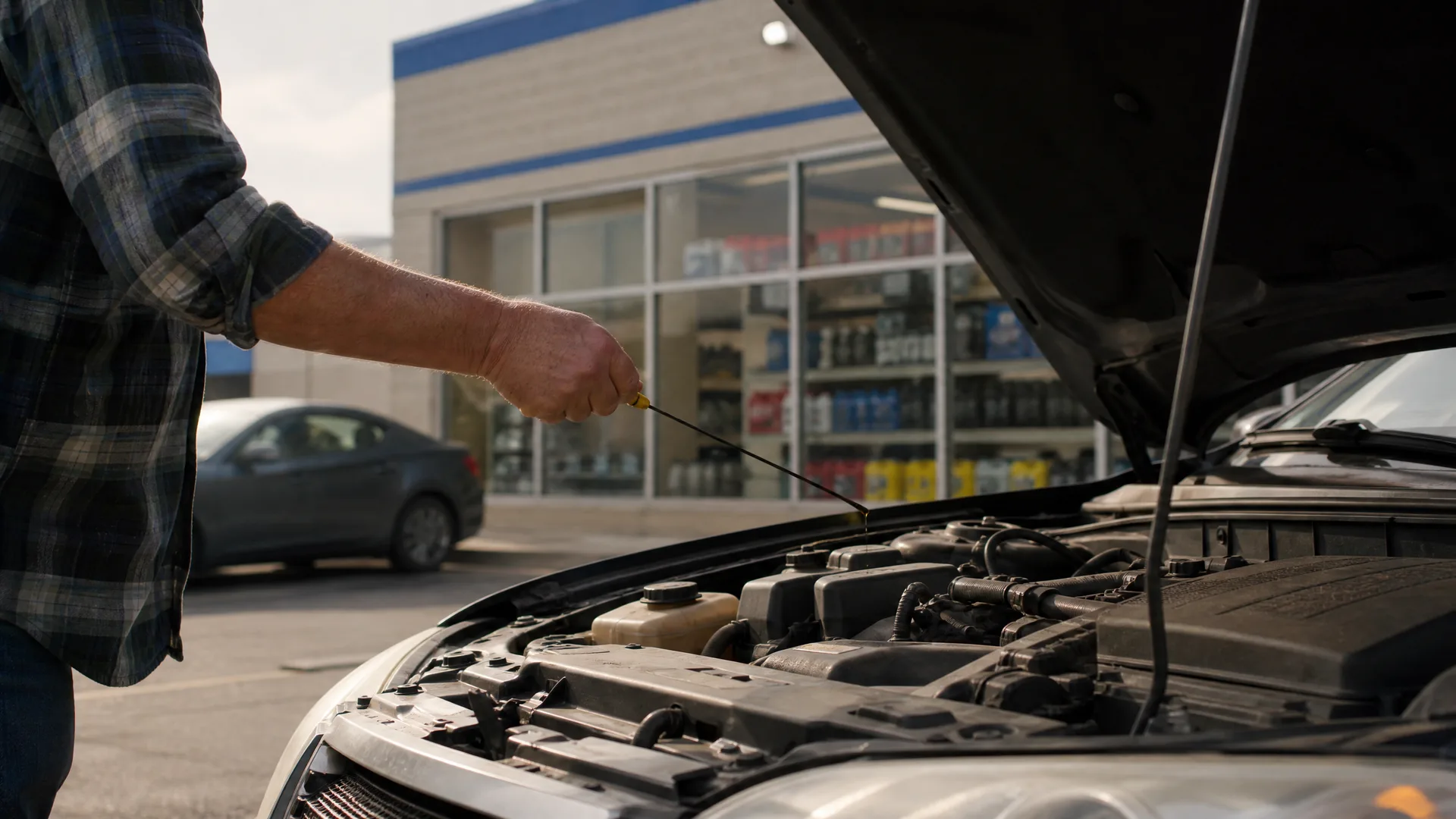
Call your insurer this week and ask two things: your car's current actual cash value and exactly what you're paying for collision coverage versus the rest of your policy. Write both numbers down alongside your deductible. If the payout you'd realistically get is close to your deductible, or close to what you've paid in premiums over the past year or two, that's your sign to drop it. If your car is financed, check your loan terms first, since your lender may require the coverage regardless of value.