At What Point Should I Drop Comprehensive Insurance
Drop comprehensive when your car is worth so little that a total loss payout wouldn't cover much more than what you've already paid in premium.
It's about the car's value, not a point in time
There's no age or year when you're supposed to drop comprehensive. The decision rests on what your car is worth now and what comprehensive costs you to carry. When the math stops making sense, you drop it. When it still makes sense, you keep it regardless of how old you are.
Check your car's current value against your comprehensive premium and deductible. If the car is worth little enough that a total loss payout would barely exceed what you've paid in over a year or two, the coverage isn't doing much for you anymore. If the car still has real value, comprehensive is still protecting something worth protecting.

What your car is actually worth right now
Look up your car's current value, not what you paid for it or what you think it's worth. Used car values drop every year, and a car that felt expensive five years ago may now be worth a fraction of that.
Subtract your deductible from that value. That's the most your insurer would actually pay you if the car were stolen or totaled by something comprehensive covers, like a fire, a falling tree, or a flood. If that number is small, you're paying a premium every year for a payout that's shrinking.
Also ask what you've paid in comprehensive premium over the last several years. If that total is approaching or has passed what the car is worth, you've already covered the cost of a total loss yourself, and the insurance isn't adding much.
If you still owe money on the car or lease it, this decision usually isn't yours to make. Lenders and leasing companies typically require comprehensive and collision until the loan or lease ends.
How much risk you're comfortable carrying yourself
Comprehensive covers things collision doesn't: theft, vandalism, hitting an animal, weather damage, fire. Dropping it means you're agreeing to pay for any of that yourself if it happens.
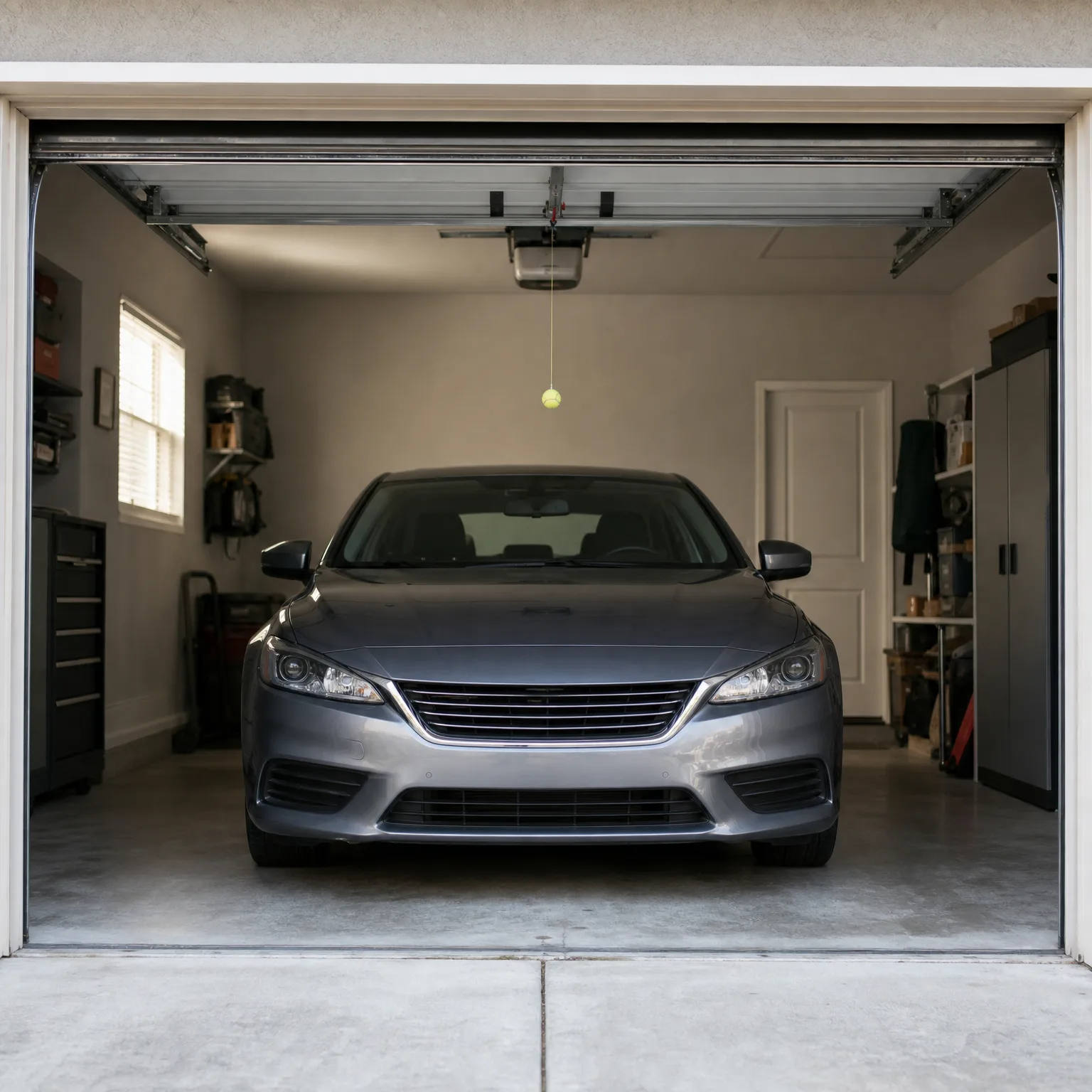
Think about where you park and drive. A car kept in a garage in a low-theft area faces less risk than one parked on the street in a place with frequent hail or break-ins. The lower the real risk, the easier it is to justify dropping the coverage.
Think about what you could absorb without strain. If you could replace or repair the car out of pocket without it changing your month, dropping comprehensive is a reasonable trade. If losing the car would be a real financial hit, the premium is still buying you something.
A lot of people get this backward. They drop comprehensive because the car is old, without checking whether the car is still worth enough that losing it would hurt. Age and value aren't the same thing. A well-kept older car can still be worth protecting.
Questions people ask about this
Does dropping comprehensive also mean dropping collision?
No, they're separate coverages and you can drop one without the other. Comprehensive covers things other than a crash, like theft or weather. Collision covers crashes. Many drivers drop comprehensive first since the payout for a totaled older car is often small, while keeping collision if they still drive in traffic regularly. Check your policy to see what you're paying for each separately.
How do I find out what my car is currently worth?
Use an online valuation tool that asks for your car's year, make, model, mileage, and condition, and compare a couple of sources since estimates vary. Your insurer may also list the car's value on your policy documents or renewal notice. Getting a real number is the first step before deciding whether comprehensive still makes sense.
Will my insurer tell me if I should drop comprehensive?
Some agents will walk through the math with you if you ask, but it's not something most insurers bring up on their own. Call your insurer or agent and ask them to show you the car's current value against what you're paying for comprehensive. You can also ask what your premium would be without it, so you can compare the real difference.
Can I add comprehensive back later if I change my mind?
Usually yes, you can add it back at your next renewal or sometimes mid-term, but ask your insurer about any gap in coverage and whether that affects your rate. If you drop it and then have a loss before adding it back, you won't be covered for that period. Some insurers also treat a lapse in optional coverage differently when you ask to reinstate it, so confirm how that works with your specific insurer.
Does my driving record affect whether I should drop comprehensive?
Your driving record affects your overall premium, but it doesn't change the math on whether comprehensive specifically is worth keeping. That decision rests on your car's value versus the cost of the coverage. A clean record might lower what you pay for comprehensive, which could tip the math toward keeping it a bit longer, so it's worth checking your current premium before deciding.
Compare what dropping comprehensive would actually save you against what you're currently paying.
Pull up your car's current value this week using an online valuation tool, and pull up your policy declarations page to see what you're paying for comprehensive and what your deductible is. Subtract the deductible from the value to see what a payout would really come to. Call your insurer or agent and ask them to quote your policy with and without comprehensive so you can see the actual price difference. If you still owe money on the car, ask your lender whether comprehensive is still required before you make any changes.