Comprehensive Coverage for Seniors in Montana
Comprehensive coverage doesn't change because you're older. What changes your rate is your car, your deductible, and how your insurer rates your record.
Yes, and age alone doesn't change what it covers
Comprehensive coverage pays for damage to your car from things other than a collision, like hail, deer, theft, or a cracked windshield. Montana winters and open roads make this the kind of claim that actually happens, which is why most drivers who own their car outright still carry it even though the state doesn't require it.
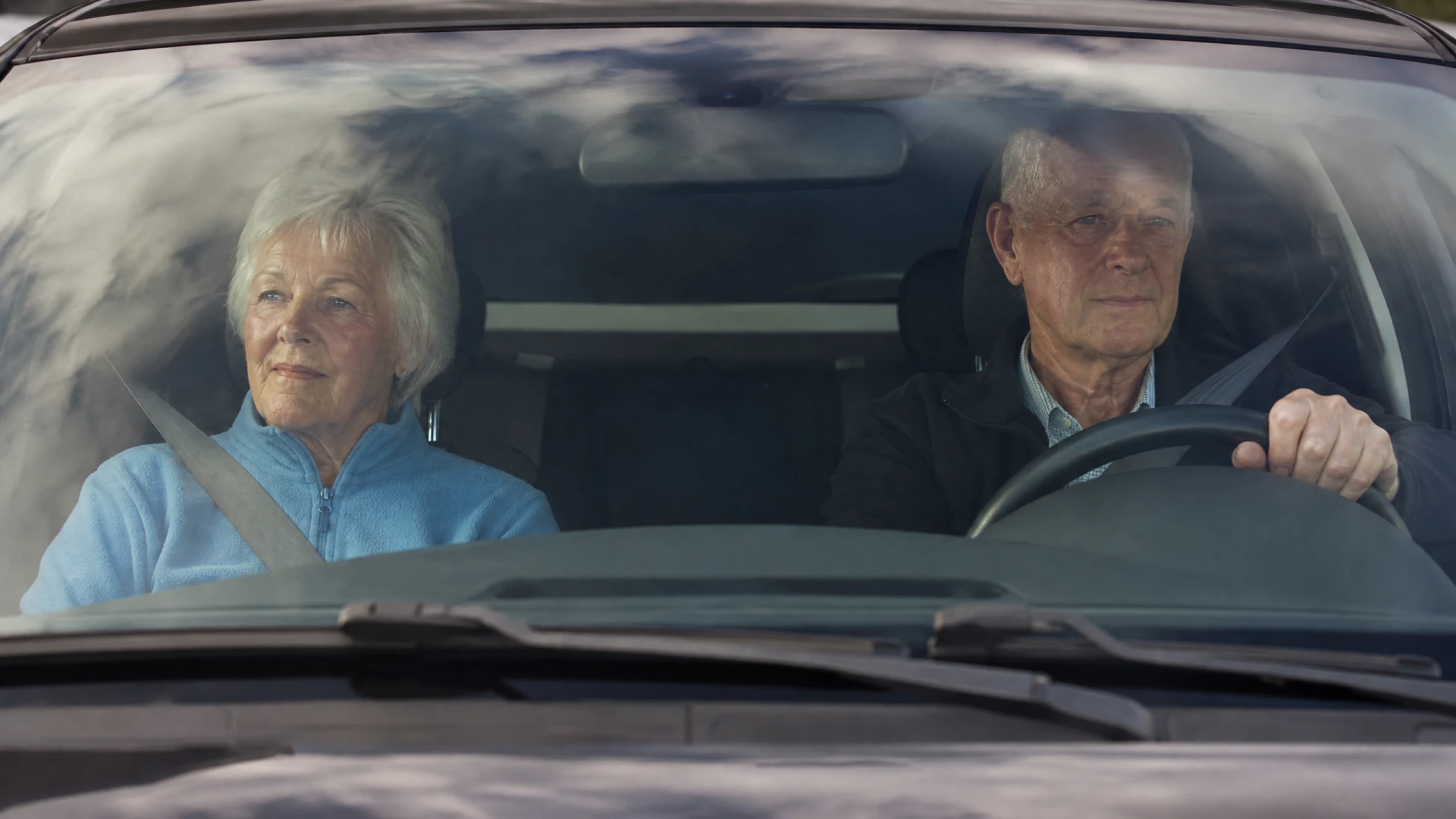
Your age doesn't change what the policy covers or how it works. What changes is often your rate, and that depends on your driving record, the car you drive, and sometimes a discount your insurer offers for completing a mature driver course. None of that is tied to comprehensive specifically. It applies across your whole policy.
Whether you still have a loan or lease on the car
If you financed or leased your car, the lender almost always requires comprehensive and collision coverage until the loan is paid off. You don't get to choose whether to drop it. Check your loan documents or ask your lender if you're not sure what they require.
Once the car is paid off, comprehensive becomes optional. This is the point where a lot of drivers reconsider it, especially on an older car. The math is simple: if the car's value is low, a claim payout might not be much more than your deductible, and it may not be worth the premium.
Ask your insurer what your car is currently valued at for claims purposes. That number, not the car's age or your age, is what should drive the decision.
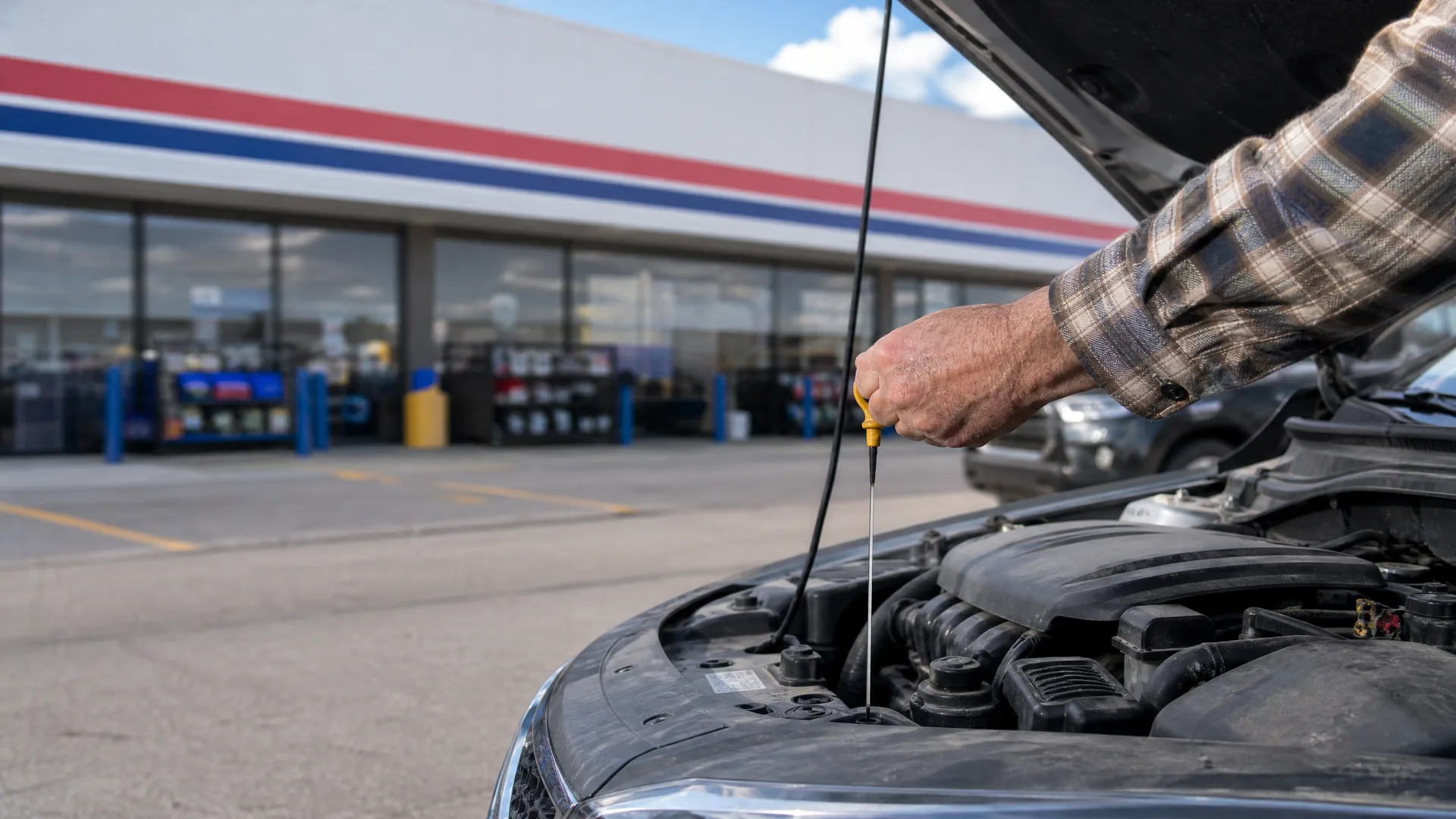
The deductible you choose
A higher deductible lowers what you pay for comprehensive coverage, but it also means more money out of pocket when something happens, a cracked windshield from gravel on a highway or a deer strike at dusk. Montana has both kinds of claims often enough that this isn't a hypothetical.
Some insurers offer separate, lower deductibles for glass repair specifically, since windshield claims are common and cheap to fix. Ask your insurer whether that applies to your policy.
If you're on a fixed income, it's worth picking a deductible you could actually pay today, not just one that lowers your monthly premium. A lower premium doesn't help if the deductible itself is out of reach when you need to use the coverage.
Questions people ask about this
Does Montana require comprehensive coverage for older drivers?
No. Montana requires liability coverage, not comprehensive, regardless of the driver's age. Comprehensive is only required if a lender or lease requires it.
Will my comprehensive premium go up once I turn a certain age?
It depends on the insurer. Some insurers factor age into pricing at certain points, others weigh your driving record and claims history more heavily. Ask your insurer directly how they rate drivers in your age group.
Does a mature driver course lower comprehensive rates in Montana?
Some Montana insurers offer a discount for completing an approved mature driver course, but it's not guaranteed and the discount, if offered, usually applies to the whole policy rather than comprehensive alone. Ask your insurer whether they recognize the course and what you need to send them.
Should I drop comprehensive coverage on an older paid-off car?
That depends on what the car is worth and what you could afford to replace it with out of pocket. Ask your insurer for the car's current claims value, then compare that to what you'd pay in premiums over a year.
Does comprehensive coverage cost more in Montana because of deer or hail?
Rates reflect claims in your area, and regions with more animal strikes or hail damage can see that reflected in comprehensive pricing. Ask your insurer how they weigh location when setting your rate.
See what comprehensive coverage would actually cost you before you decide whether to keep it.
Pull out your current policy and check whether comprehensive is already included and what deductible you're paying. If your car is paid off, ask your insurer for its current claims value so you can weigh that against your premium. If you've taken or plan to take a mature driver course, ask your insurer whether they offer a discount for it and what paperwork they need. If you're unsure whether your state's rules or your lender's requirements apply to you, that's a direct question for your insurer or lender, not a guess. Once you have those answers, compare quotes to see whether a different deductible or insurer gets you a better rate for the same coverage.