Full Coverage Car Insurance for Seniors in Montana
Montana doesn't limit full coverage by age, but your record and your insurer's own rules will shape what you're offered.
Yes, age alone doesn't stop you from getting full coverage
Insurers in Montana will sell a senior driver full coverage the same as anyone else. There's no age where you become ineligible for comprehensive and collision coverage, as long as the car qualifies and you can get insured at all.
What changes with age isn't whether you can get it. It's what you pay and how closely your insurer looks at your driving record, your vision, and sometimes your car's value. Those are the things that actually move your rate, not a birthday.
Your driving record and any recent claims
Your record matters more the longer you've been driving, simply because there's more of it to look at. An insurer reviewing your policy will weigh recent tickets and claims more heavily than anything from decades ago.
If you've had a recent accident or a lapse in coverage, expect your insurer to ask about it directly. This is also where a defensive driving course can help. Many Montana insurers will lower your premium for completing one, but you usually have to send them the certificate yourself. Finishing the course isn't enough.
If your license has any restrictions, like a vision test requirement or a corrective lens condition, tell your insurer. Leaving it off your record and having it surface later is worse than disclosing it upfront.
If you've gone several years without a claim, ask your insurer directly whether that affects your rate. Some do recognize it, others weight it less.
The car you're insuring
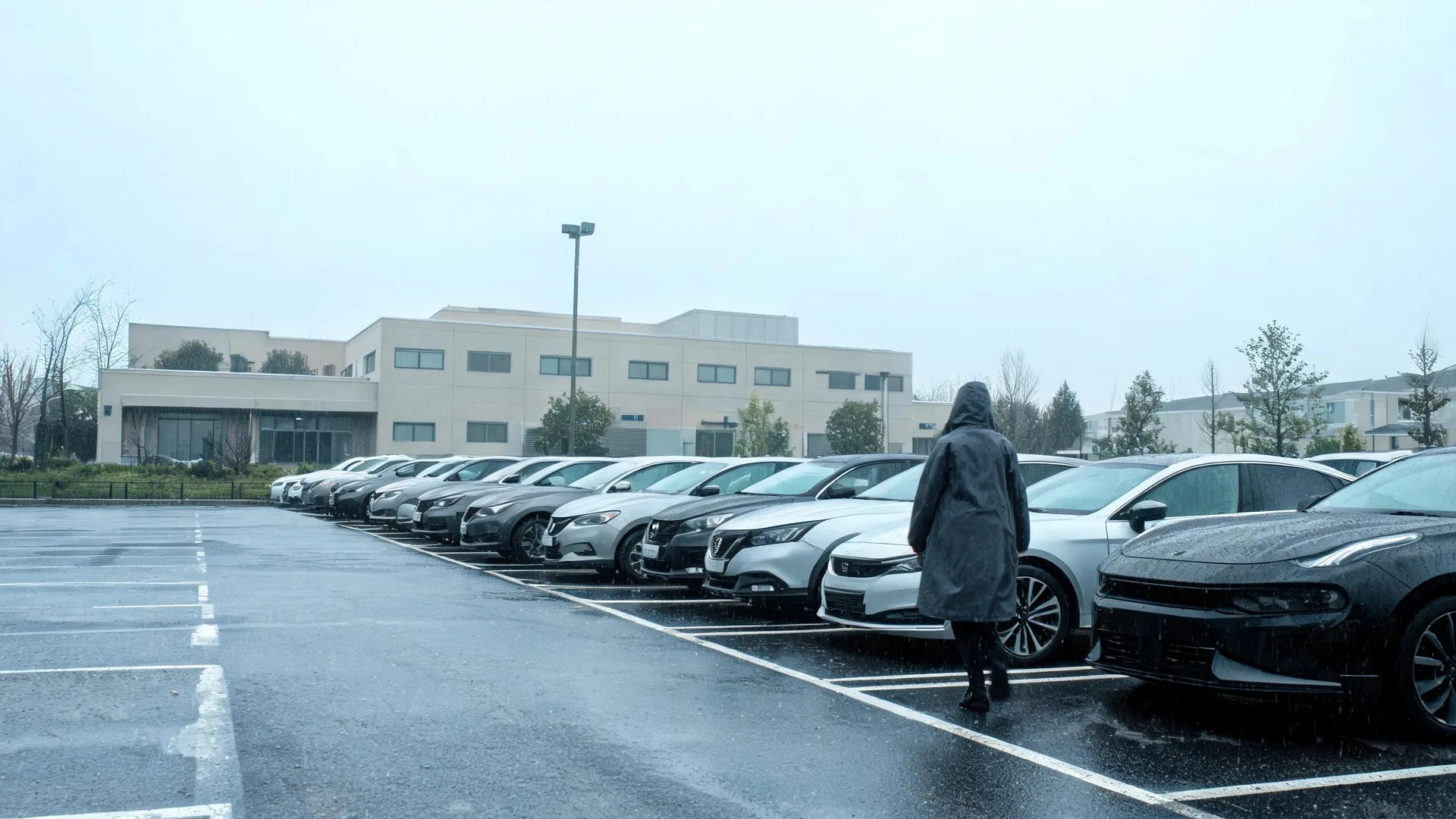
Full coverage pays out based on your car's value, so an older or lower-value car may cost less to insure fully, and in some cases it may not be worth carrying collision and comprehensive at all. Ask your insurer or agent what your car's actual cash value is and compare that to what you'd pay in premiums over a year.
If you're driving less than you used to, say you've stopped commuting or only drive locally, mention that to your insurer. Some offer lower rates for lower mileage, and you won't get the adjustment unless you ask.
If you own more than one car, ask whether insuring them together under one policy changes the cost. Not every insurer handles this the same way, so it's worth a direct question rather than an assumption.
Questions people ask about this
Does Montana require seniors to carry full coverage?
No. Montana requires liability coverage for every driver, regardless of age. Full coverage is optional unless a lender requires it, which usually only applies if you're financing or leasing the car.
Can an insurer drop me for being too old to drive safely?
An insurer can choose not to renew a policy, but this isn't done simply because of age. It would typically follow from something concrete, like a claim or a failed vision test tied to your license. If you're ever notified of non-renewal, ask your insurer directly what prompted it.
Will my premium go up every year as I get older?
Not automatically. Rate changes are usually tied to your driving history, claims, and sometimes broader changes at the insurer, not simply to your age increasing. Ask your insurer what specifically changed if your renewal notice shows an increase.
Does a defensive driving course lower my full coverage rate specifically?
It depends on the insurer. Some apply the discount to your whole policy, others only to certain parts of it. Ask your insurer before you take the course so you know what it will actually affect.
Should I drop collision coverage on an older car?
That depends on what the car is worth and what you'd pay out of pocket to repair or replace it. Compare your car's actual cash value to your annual premium for collision and comprehensive, and decide from there. Your agent can help you run that comparison.
See what full coverage actually costs for your car before you decide what to keep.

Pull your current policy and your most recent renewal notice so you can see exactly what you're paying for liability versus full coverage. Call your insurer and ask what your car's actual cash value is, since that number tells you whether full coverage is worth keeping. If you've taken a defensive driving course, check whether you ever sent in the certificate. Ask directly whether your mileage, any vision restrictions, or a multi-car discount would change your rate. Then compare what you're paying now against quotes from a couple of other insurers before your renewal date arrives.