Comprehensive Coverage for Seniors in New Hampshire
Comprehensive coverage isn't priced by age in New Hampshire. It's priced by your car, your driving record, and what your insurer sees when they look at both.
Comprehensive coverage is available to you at any age, including in New Hampshire
There's no age limit on comprehensive coverage, and no point at which an insurer can refuse to sell it to you because you've turned a certain age. New Hampshire doesn't require drivers to carry comprehensive at all, since the state doesn't mandate auto insurance the way most states do, but if you have a loan or lease on your car, your lender almost certainly requires it until the car is paid off.
What changes as you get older isn't whether you can get comprehensive coverage. It's what your insurer charges for it, and that depends on your driving record, the car you're insuring, and how your particular insurer weighs age against those other things. Insurers don't all treat age the same way, so the only way to know what you'll pay is to ask.

Your driving record still matters more than your birthday
Comprehensive coverage itself pays out for things that aren't your fault as a driver: a tree branch on your car, a break-in, a windshield cracked by road debris. Because of that, your driving record has less direct effect on your comprehensive premium than it does on your collision or liability premium.
That said, insurers often price your policy as a whole, not line by line. If your overall record is clean, with no recent at-fault accidents or moving violations, that tends to help your total premium, comprehensive included. If you've had a lapse in coverage or a recent claim of any kind, ask your insurer directly how that affects the comprehensive portion specifically.
Some New Hampshire insurers offer a discount for completing an approved defensive driving or mature driver course. Taking the course doesn't lower your rate by itself. You have to send your insurer the completion certificate, and the insurer has to offer that discount in the first place. Ask before you take the course, not after, since not every insurer in the state participates.
The car you drive changes what comprehensive costs and whether you need it
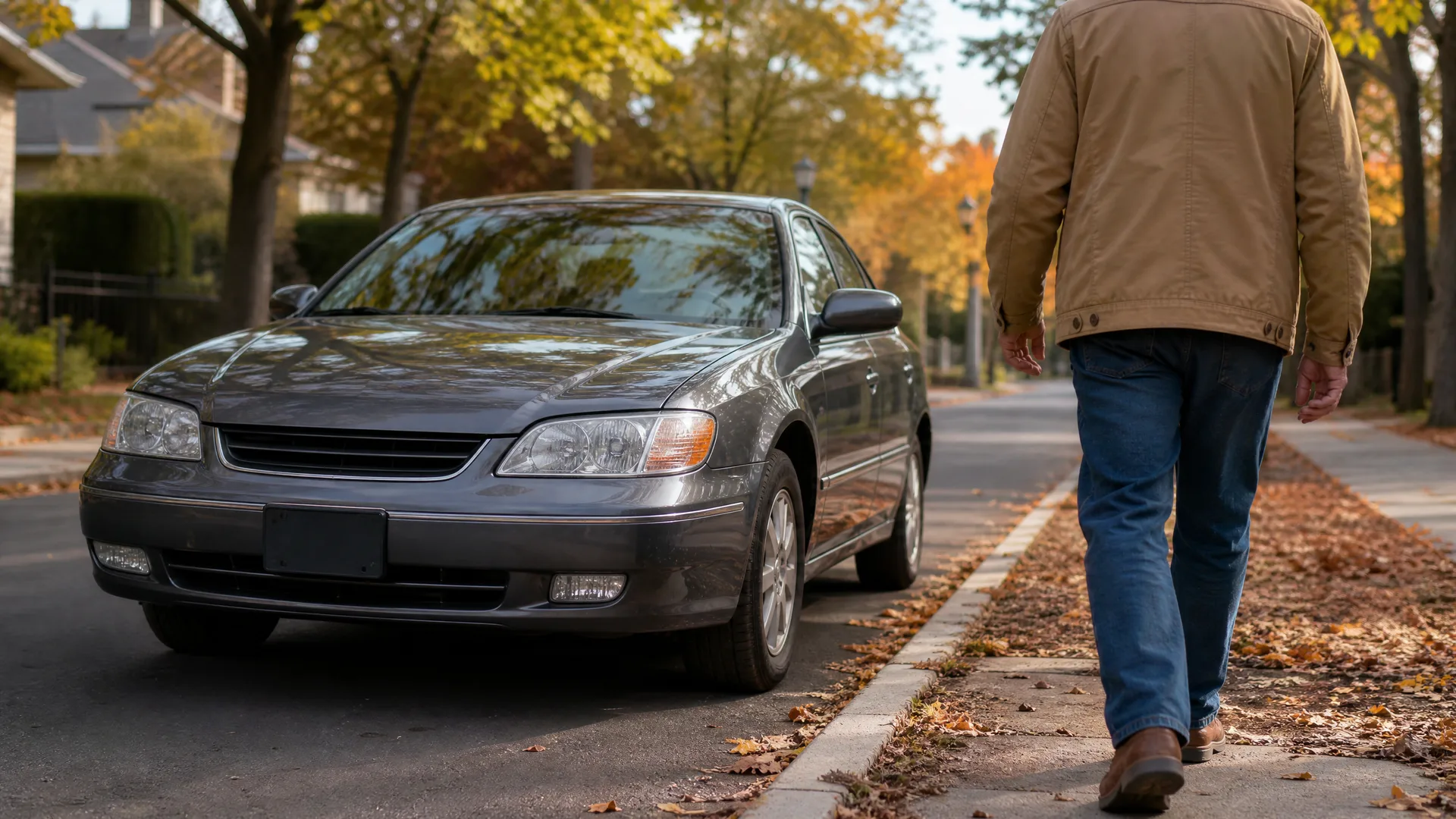
Comprehensive coverage is priced against the value of your car. An older car worth little may cost more to insure for comprehensive than it would pay out if it were stolen or totaled by a storm. That math doesn't depend on your age, it depends on the car.
This is worth checking now if you're driving a car you've had for many years. Ask your insurer or agent what your car's actual cash value is and what you'd be paid in a covered claim. If that number is low relative to what you're paying for the coverage, you may decide to drop comprehensive on that car, as long as it's paid off and no lender requires it.
If you're still making payments or leasing, this decision isn't yours to make. The lender's requirement holds regardless of your age or driving history, and it stays in place until the loan or lease ends.
Questions people ask about this
Does New Hampshire require comprehensive insurance for senior drivers?
No, New Hampshire doesn't require any driver, at any age, to carry comprehensive coverage as a matter of state law. The state only requires drivers to show they can cover damages if they cause an accident, through insurance or another approved method. Comprehensive becomes required only if a lender or lease requires it for your car.
Can my insurer raise my comprehensive rate just because I'm older?
Insurers can factor age into how they price a policy, including comprehensive coverage, but they don't all do it the same way or to the same degree. If your rate goes up at renewal, ask your insurer directly what changed. It may be age, it may be your car's value, it may be something else in your file, and the only way to know is to ask them to explain the specific change.
Will my comprehensive coverage drop if I stop driving regularly?
Driving less doesn't remove your comprehensive coverage, since comprehensive covers your car whether it's parked or on the road. If you're driving significantly less, tell your insurer, since some offer a lower-mileage or low-usage adjustment that can affect your total premium, though not every insurer does.
Do I need comprehensive coverage if my car is paid off?
Once your car is paid off, no lender requires you to keep comprehensive coverage, so the decision is yours. Weigh what you'd pay for the coverage over a year against what your car is actually worth and what you could afford to replace it yourself if it were stolen or damaged.
Does a vision or driving test affect my comprehensive rate in New Hampshire?
A vision or driving test required for license renewal affects whether you can keep driving at all, not your comprehensive rate directly. Your insurer sets your rate based on your driving record and your car, not on whether the DMV has scheduled you for a renewal test.
See what other insurers would charge you for the same coverage on the same car before you renew.

Pull out your current policy and find the comprehensive premium line, along with your car's current mileage. Call your insurer and ask two things: what discounts you qualify for as a long-term customer or course graduate, and what your car's actual cash value is today. Then get quotes from a few other insurers using the same coverage limits so the comparison is fair. If you're still paying off the car, confirm with your lender what minimum coverage they require before you consider dropping anything. Bring any defensive driving course certificate with you when you call, since you'll need to send a copy to whichever insurer you end up with.