Full Coverage Car Insurance for Seniors in New Hampshire
Full coverage is available at any age in New Hampshire, but whether it's worth the cost depends on your car and your driving record, not your birthday.
Yes, age alone doesn't limit it
Insurers in New Hampshire will sell full coverage to a driver at any age, as long as the car qualifies and the premium gets paid. There's no cutoff where a company stops offering it just because you're older.
What changes is whether it makes sense to keep paying for it. Full coverage protects the value of your car. If your car is older and worth less, the payout in a claim may not be much more than what you'd pay in premiums over a few years. That math matters more than your age does.
What your car is worth decides more than your age does
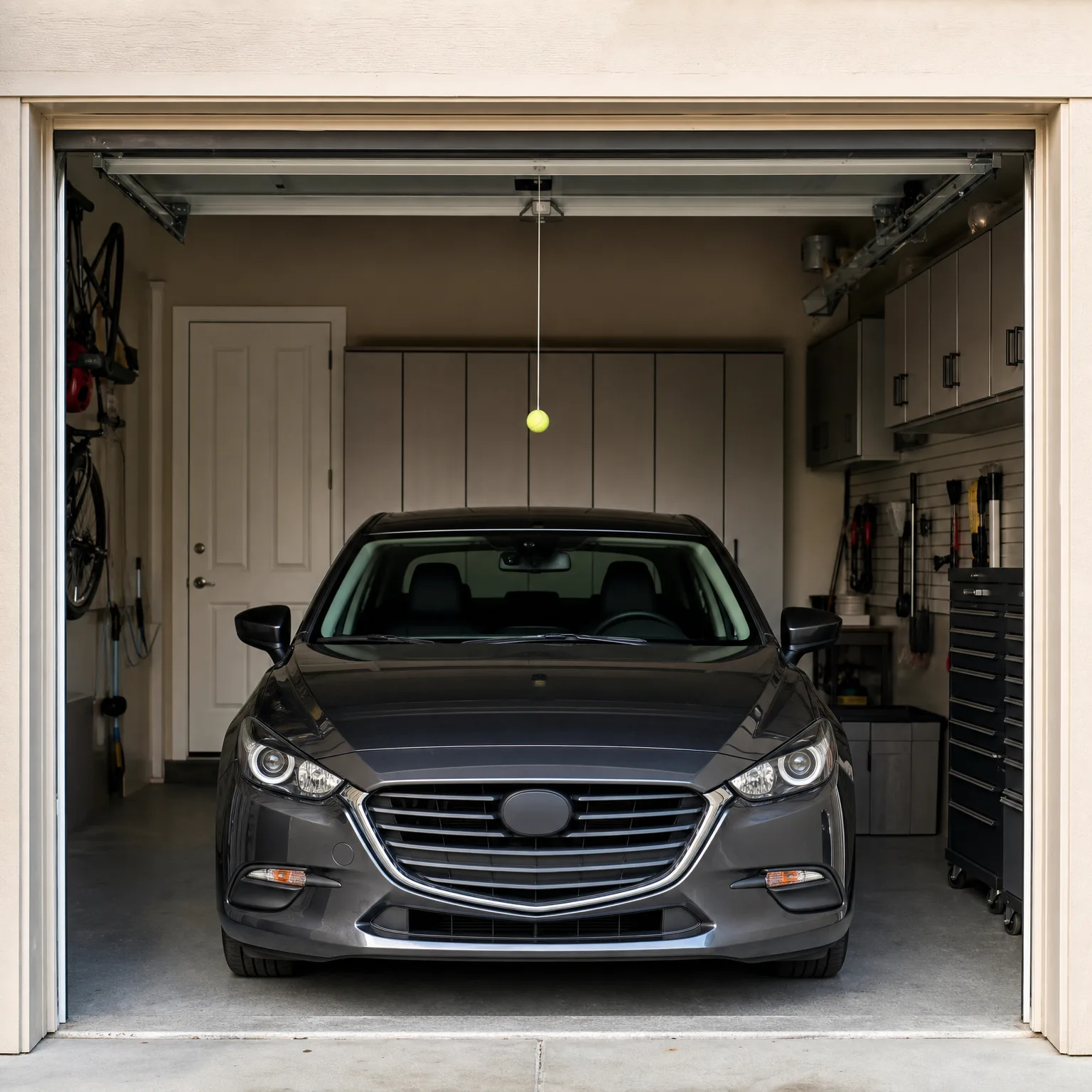
Full coverage includes collision and comprehensive, and both of those only pay out up to your car's actual cash value. If your car is paid off and worth a modest amount, you're paying premiums every year for a payout that's capped low.
Check what your car is worth before you renew. A dealer trade-in estimate or an online valuation tool will give you a rough number. Compare that number to what you're paying for collision and comprehensive combined over a year.
Some drivers decide to drop collision and comprehensive once a car's value falls far enough, and keep only liability. Others keep full coverage because they'd rather not pay out of pocket to replace the car if it's totaled. Neither choice is wrong. It depends on what you could afford to lose.
If you still owe money on the car or lease it, this decision isn't yours to make. Lenders and leasing companies require full coverage until the loan or lease is paid off.
Your driving record and any discounts you qualify for
New Hampshire doesn't require drivers to carry insurance at all in most cases, but if you do carry it, your record still drives the price the same way it does for any other driver. A clean record over recent years keeps your premium lower. Claims or tickets push it up, regardless of age.
Many insurers offer a discount for completing an approved defensive driving or mature driver course. The discount isn't automatic. You typically have to send your insurer the completion certificate yourself after finishing the course, so ask your insurer first which course they'll accept before you sign up for one.
Also ask about a low-mileage discount if you're driving less than you used to. Some insurers lower the premium for drivers who log fewer miles per year, which many retired drivers do without realizing it affects their rate.
Questions people ask about this
Does New Hampshire require full coverage for seniors?
No, New Hampshire doesn't require drivers of any age to carry car insurance, as long as you can show financial responsibility another way. If you do carry insurance, full coverage is a choice, not a state requirement. A lender or lease agreement, not the state, is what typically forces the issue.
Will my car insurance go up when I turn a certain age in New Hampshire?
It depends on the insurer, not a fixed rule. Some insurers adjust rates as drivers get older, based on claims data for that age group, while others weigh your driving record more heavily than your age. Ask your insurer directly how they price drivers in your age range.
Can I switch from full coverage to liability only anytime?
Yes, you can generally make that change whenever your policy allows it, as long as you don't have a loan or lease requiring full coverage. Call your insurer or agent and ask them to walk through what you'd give up and what you'd save before you make the switch.
Does a defensive driving course lower my premium right away?
Not automatically. Completing the course only helps once you send your insurer the certificate, and the discount typically applies at your next renewal rather than immediately. Ask your insurer which courses they accept before you pay for one.
Should I drop comprehensive coverage if I don't drive much anymore?
That depends on what comprehensive covers for you beyond driving itself, since it also protects against theft, fire, and weather damage while the car is parked. Driving less doesn't reduce those risks. Weigh your car's value against the full premium, not just the collision portion, before deciding.
See what full coverage would actually cost you against liability only, side by side.
Find out what your car is worth right now using a dealer trade-in estimate or a free online valuation tool. Pull your last renewal notice and look at what you're paying for collision and comprehensive specifically, separate from liability. Call your insurer and ask two things: which defensive driving courses qualify for a discount, and whether you qualify for a low-mileage discount. If you still owe money on the car, check your loan or lease terms before changing anything. Once you have those numbers, compare quotes from a few insurers to see whether full coverage or liability only makes more sense for your situation this year.