Comprehensive Coverage for Seniors in Vermont
Comprehensive coverage itself doesn't change with age. What you pay for it, and whether you still need it, depends on your car and your situation.
Yes, comprehensive coverage is available and works the same way at any age
Comprehensive coverage pays for damage to your car from something other than a collision, things like a tree branch, a deer, hail, or theft. Insurers in Vermont sell it to drivers of any age, and the coverage itself doesn't work differently because you're older.
What does shift over time is the math behind whether to keep it. As a car ages and its value drops, there's a point where the payout in a claim gets close to what you're paying for the coverage each year. That's a question about the car, not about the driver, but it tends to come up for people who've owned the same car a long time.
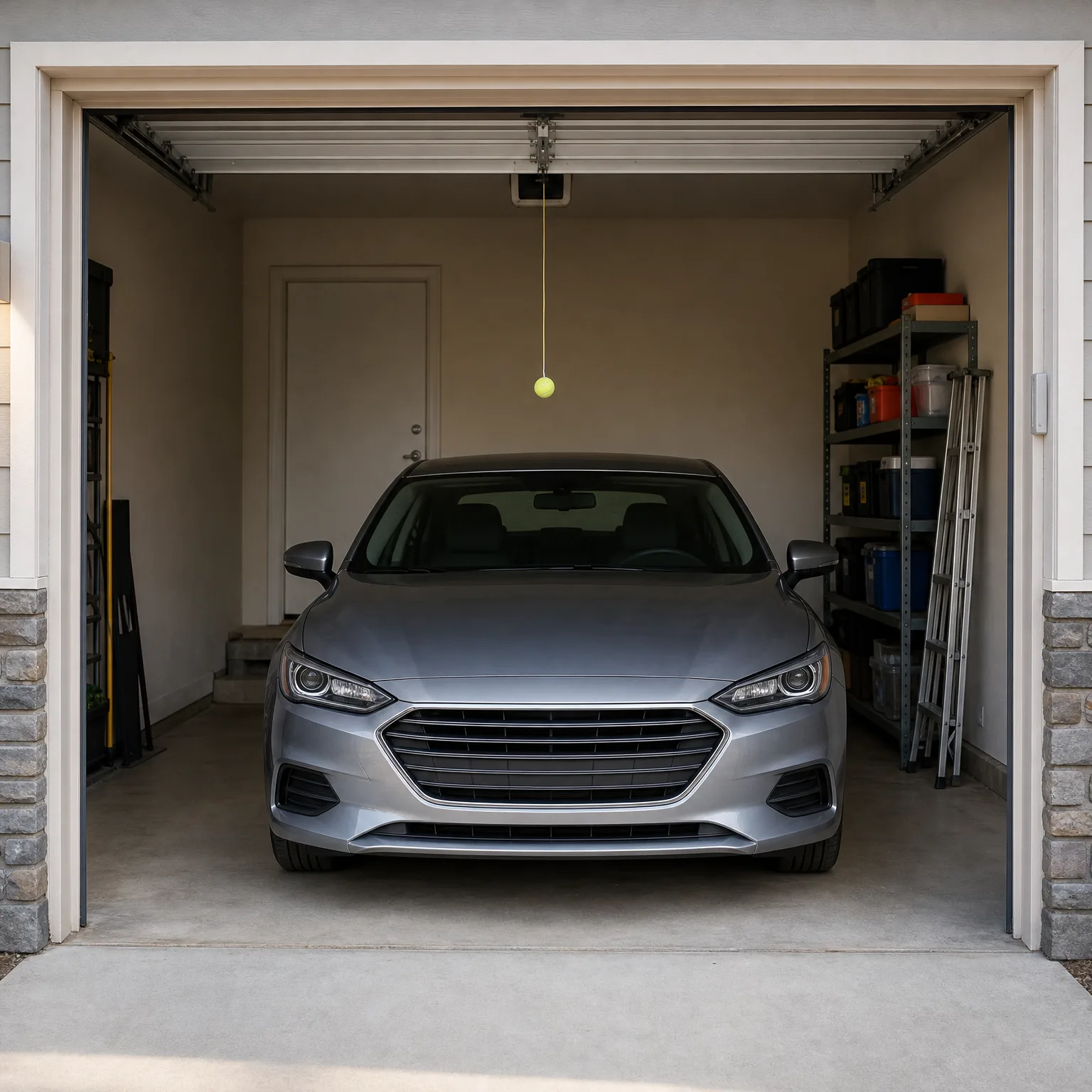
The age and value of your car matters more than your own age
Comprehensive coverage pays out up to your car's actual cash value, minus your deductible. If your car is older and worth less, there's a ceiling on what you'd ever collect, no matter how much you're paying in premium.
This is worth checking directly. Ask your insurer what your car's current estimated value is, then compare that to what you're paying annually for comprehensive, plus your deductible. If the yearly cost is close to what you'd actually get back in a total loss, the coverage may not be doing much for you anymore.
This isn't about whether you're a safe driver or how long you've had the policy. It's about what the car itself is worth today. Two drivers the same age with different cars can reach very different answers.
If you lease your car or still owe money on a loan, this calculation doesn't apply the same way. Lenders and leases usually require comprehensive coverage for as long as you owe on the car, regardless of its value.
Discounts and policy review can lower what you pay for it
Vermont doesn't require insurers to offer senior-specific discounts, and whether one exists depends on the company. Some insurers offer a reduction for completing an approved defensive driving or mature driver course. Ask your insurer directly whether they offer this and what course they'll accept.
If you do take a course, the discount isn't automatic. You typically have to send your insurer the completion certificate yourself. Finishing the course without reporting it to your insurer won't change your premium.
It's also worth asking your insurer to review your full policy, not just comprehensive. Bundling home and auto, raising your deductible, or dropping coverage you no longer need on an older car can all affect your total premium, and comprehensive is just one piece of that bill.
Questions people ask about this
Does Vermont require comprehensive coverage for older drivers?
No, Vermont doesn't require comprehensive coverage for any driver, regardless of age. It's only required if a lender or lease holds an interest in your car. Beyond that, it's your choice whether to carry it.
Will my comprehensive premium go up just because I'm getting older?
Age by itself isn't the main driver of comprehensive cost. Insurers weigh things like where you park, your claims history, and your car's value more heavily. If your rate changed at renewal, ask your insurer what specifically drove the change.
Can I drop comprehensive coverage on an older car and keep liability only?
Yes, as long as you own the car outright with no loan or lease requiring it. Many drivers do this once a car's value drops low enough that the coverage costs more than it's likely to pay out. Check your car's current value with your insurer before deciding.
Does a vision test or license renewal affect my comprehensive coverage?
No, comprehensive coverage isn't tied to your license renewal or vision test results. Those are DMV requirements for keeping your license, separate from what your insurer charges for coverage. A license restriction could affect other parts of your policy, so it's worth asking your insurer if anything changes for you.
Should I keep comprehensive coverage if I drive less than I used to?
Driving less doesn't reduce your exposure to the risks comprehensive covers, like weather, theft, or animal strikes, since those can happen while the car is parked. Some insurers offer a lower-mileage discount if you report reduced driving, so ask about that separately from whether to keep comprehensive at all.
See what comprehensive coverage would actually cost you from a few different insurers before you decide to keep it or drop it.
Start by asking your current insurer two things: what your car's estimated value is today, and whether they offer any discount for a mature driver or defensive driving course. Have your renewal notice and your car's mileage on hand when you call. If you've taken a driving course recently, find the completion certificate and send it in if you haven't already, since the discount won't apply until you do. Once you know your car's value and your current premium, compare that against quotes from a couple of other insurers to see whether comprehensive still makes sense at the price you're being charged. If your car is paid off and worth little, ask specifically what you'd receive in a total loss claim before you renew the coverage another year.