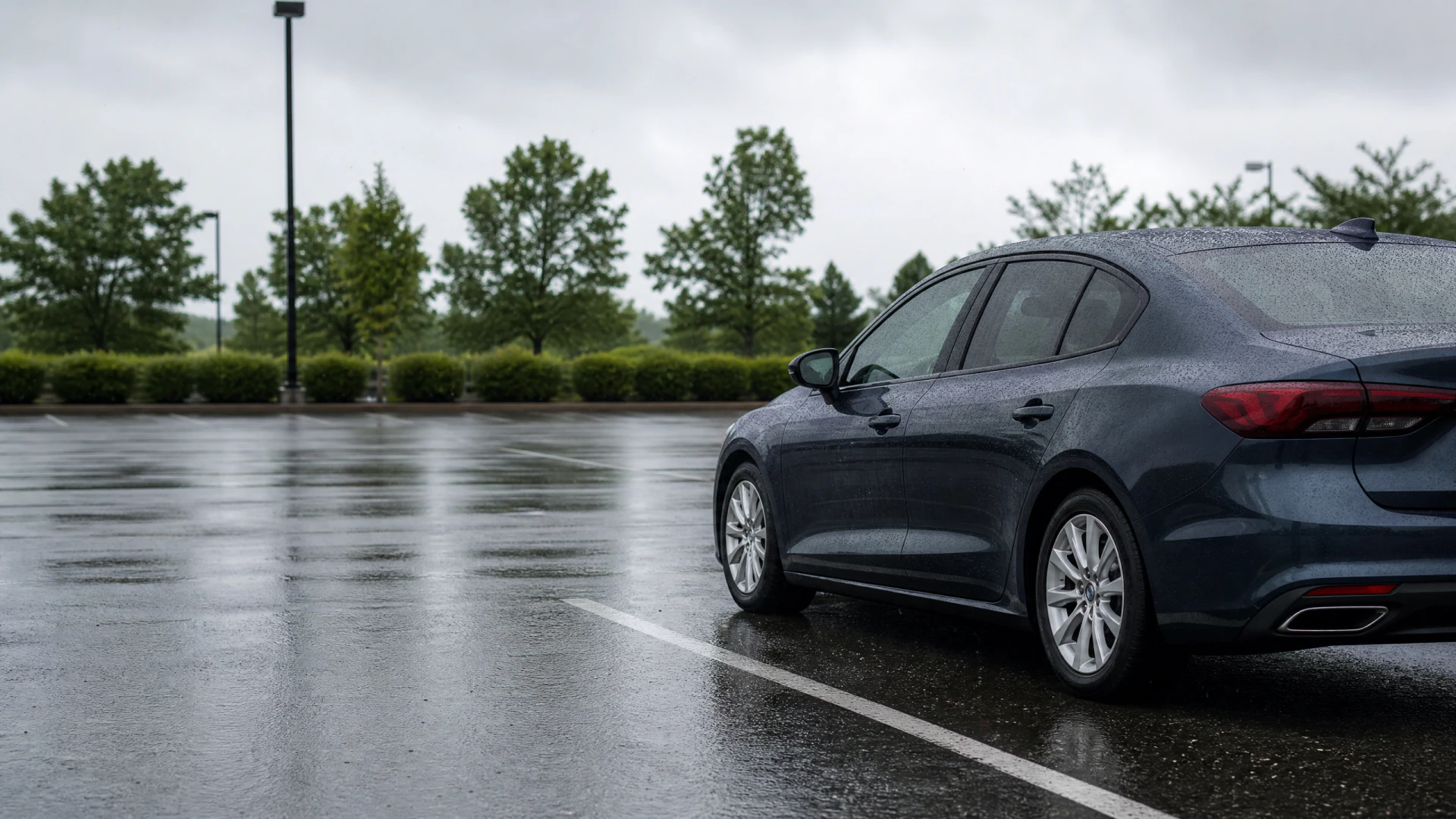
Comprehensive Coverage for Seniors in Virginia
Comprehensive coverage in Virginia doesn't change because of your age, but what you pay for it can.
Comprehensive coverage isn't priced or written differently for older drivers
Comprehensive coverage pays for damage to your car from something other than a crash, like a fallen tree, a deer, hail, theft, or a cracked windshield. Virginia doesn't require it, but if you still have a loan or lease, your lender probably does. Nothing about the coverage itself changes once you turn 65 or any other age.
What can change is your premium, and that comes down to things like your car's age and value, your driving record, where you park, and which insurer you use. Some insurers also offer a discount for completing an approved driver improvement course, which Virginia allows for drivers who qualify by age. That's worth asking about directly.

Your car's value matters more than your birthday
Comprehensive coverage pays out based on what your car is worth, not what you paid for it. As a car ages, its value drops, and at some point the most comprehensive coverage could pay out in a claim is less than what you're paying for the coverage itself.
This is worth checking yourself rather than waiting for your insurer to bring it up. Look up your car's current market value and compare it to what you'd pay for comprehensive over a year. If the numbers are close, dropping comprehensive and setting that money aside instead may make more sense, especially if you own the car outright.
If you still owe money on the car, your lender sets the terms, not you. Check your loan agreement before making any changes.

Your driving record and any course certificate
Your driving record affects your overall premium, including the comprehensive portion, even though comprehensive claims themselves aren't about at-fault accidents. A clean record over time generally works in your favor with most insurers.
Virginia lets drivers who qualify by age take an approved driver improvement course for a possible insurance discount. The course itself doesn't do anything until you send your insurer the completion certificate. Call your agent or insurer directly to ask which courses they accept and how to submit proof once you finish.
This discount, where it applies, usually isn't limited to comprehensive coverage. It can affect your full premium, so it's worth asking about regardless of which coverages you carry.
Questions people ask about this
Does Virginia require comprehensive coverage for older drivers?
No, Virginia doesn't require comprehensive coverage for any driver regardless of age. It only becomes required if a lender or lease agreement makes it a condition of the loan.
Can my insurer drop my comprehensive coverage because of my age?
Insurers set their own underwriting rules, and some may review coverage differently as a driver gets older. Ask your insurer directly whether age affects how they underwrite your policy.
Is comprehensive coverage worth it on an older car?
It depends on your car's current value compared to what you're paying for the coverage. Check your car's market value and your annual premium side by side before deciding.
Does taking a driver improvement course lower comprehensive coverage rates specifically?
It depends on the insurer. Some apply the discount across your full policy, others may apply it only to certain coverages, so ask your insurer how the discount is structured before assuming it covers comprehensive.
Will my comprehensive deductible change as I get older?
Your deductible is a choice you make when you set up your policy, not something tied to your age. You can ask your insurer to raise or lower it at any renewal.
See how comprehensive coverage is priced for your car and your record before you renew.
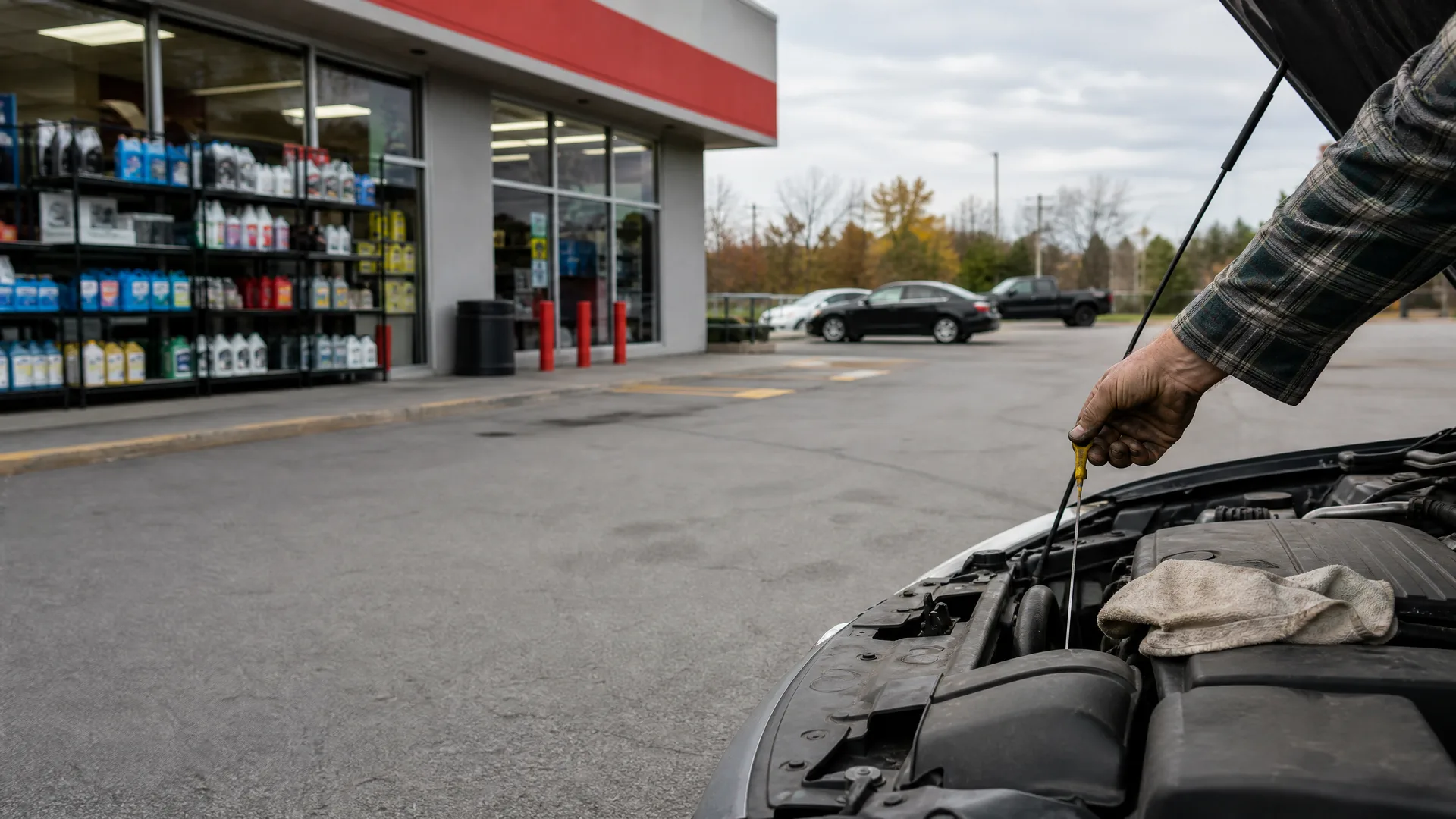
Pull up your current policy and find your comprehensive premium for the year. Look up your car's market value using a source like the NADA guides or Kelley Blue Book and compare the two numbers. If you completed a driver improvement course, find your certificate and call your insurer to confirm they have it on file. Ask them directly whether the course discount applies to your full policy or only certain parts of it. If you still owe money on the car, check your loan agreement before changing any coverage. Once you have these numbers in hand, it's a good time to compare quotes from a few insurers to see how they price your situation differently.