Do I Really Need Fully Comprehensive Car Insurance
It depends on what your car is worth now and what you'd have to pay out of pocket to replace it.
It depends on your car's value, not your age
There's no rule that says a driver has to drop comprehensive coverage at any point. The question is whether your car is still worth enough that replacing it would cost you more than you'd want to pay yourself.
Comprehensive covers things collision doesn't: theft, fire, a tree branch, a cracked windshield from a rock. If your car is older and worth little, the payout after a claim might be small once your insurer subtracts depreciation. If it's newer or worth more, that payout matters a lot more.

What your car is worth
Comprehensive insurance pays out based on your car's actual cash value, not what you paid for it or what it would cost to replace with something similar. An insurer will only ever pay up to that value, minus your deductible.
If your car is worth very little, a comprehensive claim might pay out barely more than your deductible. In that case you're paying a premium every year for coverage that wouldn't give you much back.
If your car is worth more, the math works the other way. Losing it to theft or a storm without comprehensive coverage means paying the full replacement cost yourself.
A simple way to check this is to look up your car's current value and compare it against what you're paying in comprehensive premium over a year or two. If the premium adds up to a meaningful chunk of the car's value, that's worth weighing.
What you can afford to lose
Comprehensive coverage is optional unless a lender requires it, which usually ends once a car is paid off. After that, keeping it or dropping it comes down to what you could handle financially if something happened to the car.
If you could cover a full replacement or a major repair without much strain, dropping comprehensive and setting aside what you'd have paid in premiums is a reasonable option for some drivers.
If losing the car would be a real financial problem, comprehensive coverage protects against exactly that, even on a car that isn't worth a lot.
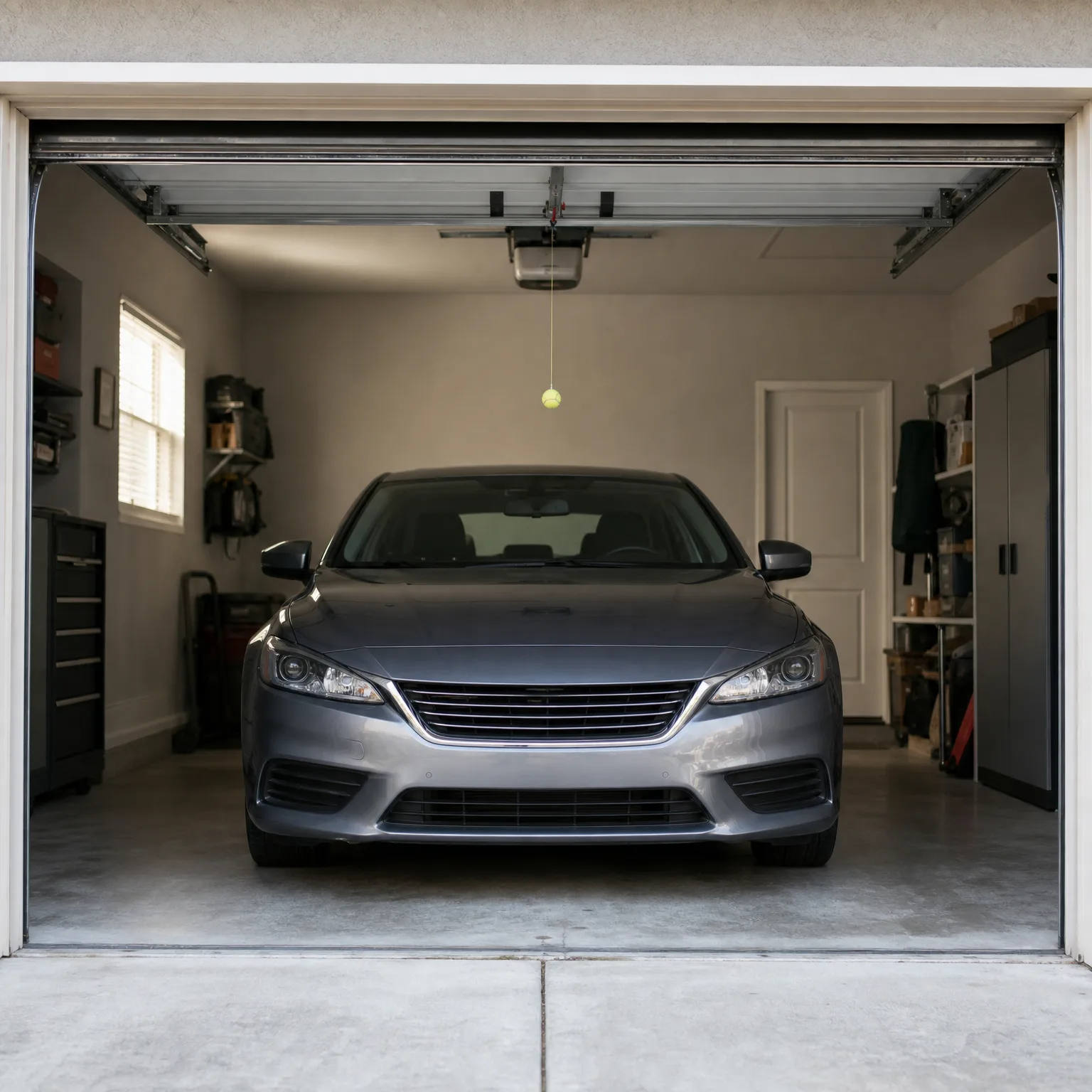
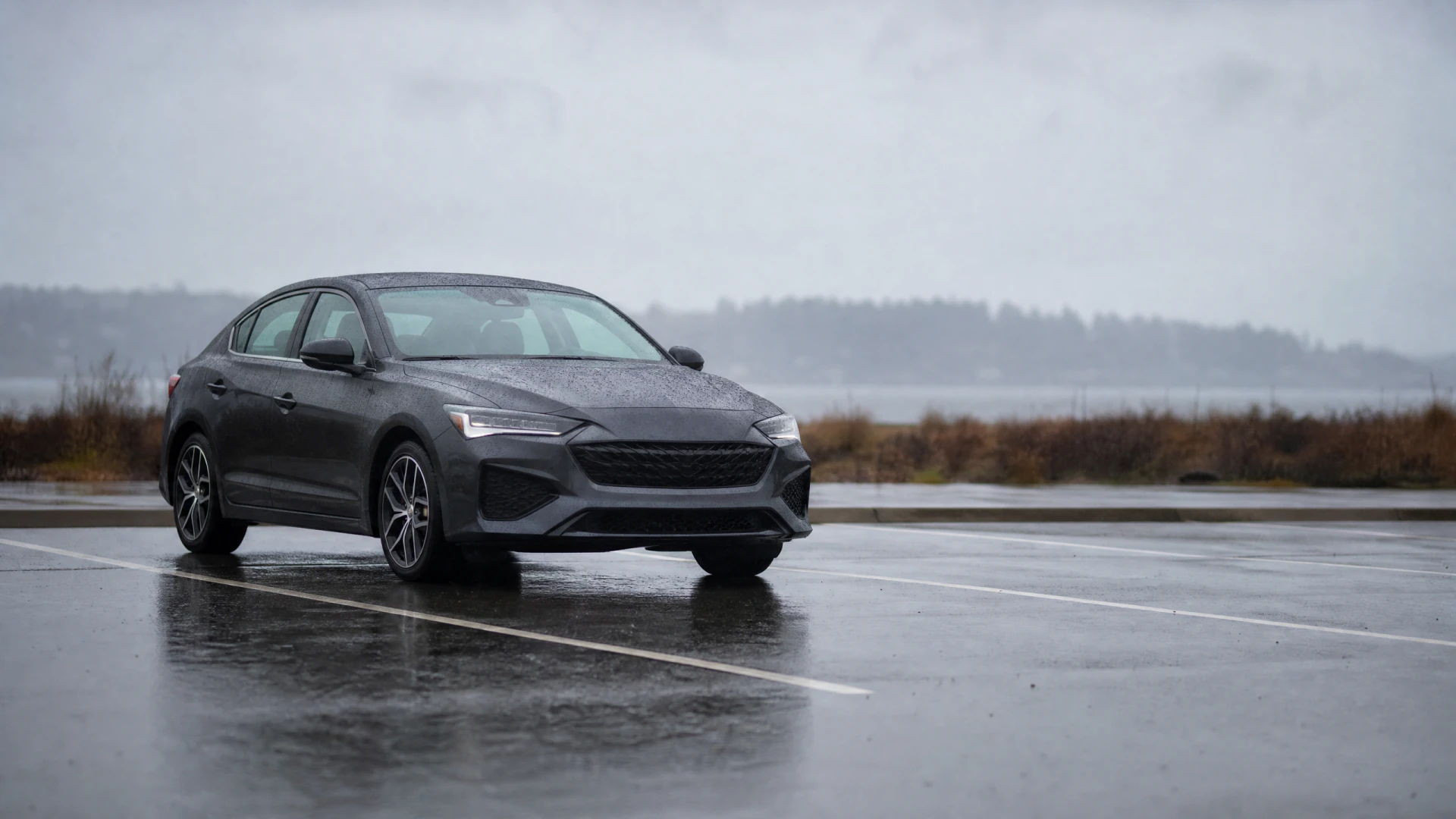
It also depends on where you live and what risks are common there. A car kept outside in an area with hail, flooding, or a lot of vehicle theft carries more risk than one in a garage in a quiet area, and that's worth factoring in alongside the car's value.
Questions people ask about this
Can I drop comprehensive coverage and keep collision?
Yes, they're separate coverages and you can choose one without the other. Collision covers damage from an accident with another vehicle or object. Comprehensive covers everything else, like theft or weather damage. Check with your insurer about how dropping one affects your overall premium, since they're often bundled at a lower combined rate.
Does comprehensive insurance cover a cracked windshield?
In most cases, yes, since windshield damage from a rock or debris falls under comprehensive rather than collision. Some insurers offer separate glass coverage or a lower deductible for glass claims specifically. Ask your insurer how they handle windshield claims under your policy.
Will my insurer force me to drop comprehensive coverage at a certain age?
No, comprehensive coverage isn't tied to your age. Insurers price it based on your car's value, your location, and your claims history, not how old you are. If your premium has gone up, ask your insurer what's driving the increase rather than assuming it's age-related.
How do I find out what my car is currently worth?
Check a vehicle valuation guide or ask your insurer directly what value they'd use to settle a claim. Your car's actual cash value is what matters for comprehensive coverage decisions, not what you originally paid or what you see listed for similar cars for sale. Values change year to year, so it's worth checking again before you decide to drop coverage.
What happens if I drop comprehensive and then need it later?
You can usually add comprehensive coverage back at your next renewal or by calling your insurer, but you won't be covered for anything that happens in the meantime. There's no coverage for events that occurred while the policy lapsed. If you're unsure, ask your insurer how quickly coverage would take effect if you added it back.
See what comprehensive coverage would actually cost you before deciding to drop it.
Look up your car's current value this week using a vehicle valuation tool, then check your declarations page for what you're paying in comprehensive premium. Multiply that premium by a couple of years and compare it to the car's value and your deductible. Call your insurer and ask what they'd actually pay out if you filed a comprehensive claim today. If the numbers are close, ask them what dropping comprehensive would do to your overall premium before you decide. If you share a policy with a family member, have this conversation together since the right answer can differ car by car.