Should I Keep Comprehensive Insurance on an Old Car
It depends on what the car is worth and what you'd lose if it were stolen or totaled, not on how old it is.
Compare the car's value to what you pay for the coverage
Look up what your car would sell for today, not what you paid for it or what you think it's worth. Then look at what you pay for comprehensive each year. If the payout you'd get after a claim, minus your deductible, is close to what you're paying in a year or two of premiums, the coverage isn't doing much for you anymore.
This isn't really about age. A ten-year-old car that still holds decent value works differently than a ten-year-old car that doesn't. Two cars from the same year can be worth very different amounts depending on mileage, condition, and how that model has held up. Pull the number before you decide anything.
What the car is actually worth right now
Your insurer will pay out based on the car's current market value if it's stolen, vandalized, or totaled by something other than a collision, not based on what you paid or what you've put into it. That number is what comprehensive is protecting, and it's the first thing to pin down.
Check what similar cars in similar condition are selling for in your area. If that number is low, comprehensive has a low ceiling. It will never pay out more than the car is worth, no matter how much you've paid in premiums over the years.
If you still owe money on the car, or if your state or lender requires certain coverage, that changes things. Check your loan terms before you drop anything, since a lender can require comprehensive and collision until the loan is paid off.
If the car is paid off and worth little, you're the one deciding whether the payout is worth the premium. Nobody else has a say at that point.
What you'd be out if something happened to the car
The second thing to weigh is how much it would cost you to replace the car if it were stolen or destroyed, and whether you could cover that yourself. If you have savings set aside and wouldn't be stuck without a car, dropping comprehensive is a smaller risk. If losing the car without a payout would be a real problem, the coverage still has a job to do even if the payout is modest.
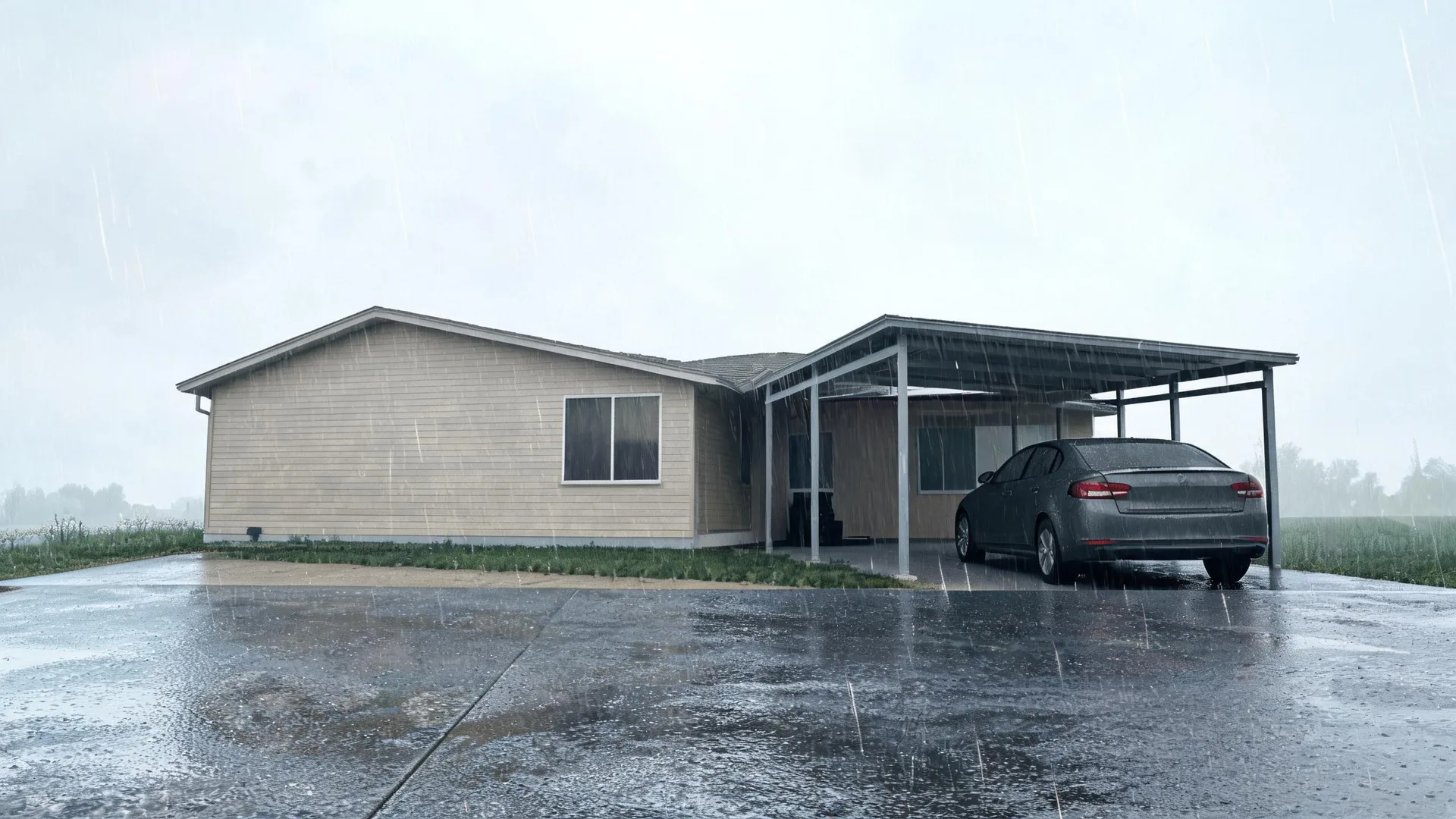
Think about where you park and drive, too. A car that sits outside in an area with more theft or more hail and storm damage carries more risk from the things comprehensive actually covers. A car in a garage in a quieter area carries less.
Some people keep comprehensive specifically for glass and windshield claims, since those come up more often than theft or total loss. Check whether your policy handles glass separately, since that can change the math.
Questions people ask about this
Can I drop comprehensive but keep liability insurance?
Yes, you can carry liability on its own without comprehensive or collision. Liability covers damage you cause to others, and it's required in some form in nearly every state regardless of your car's value. Comprehensive and collision are separate coverages you can add or drop as you see fit, as long as you don't have a loan that requires them.
Does dropping comprehensive lower my premium by much?
It lowers your premium by whatever comprehensive was costing you, but that amount varies a lot by car, location, and insurer. Ask your insurer for a quote with and without comprehensive so you're comparing your actual numbers rather than guessing.
What happens if my old car is stolen and I don't have comprehensive?
Without comprehensive, you wouldn't get anything from your insurer for the car itself. Liability only covers damage or injury you cause to someone else, not loss of your own vehicle. That's the trade-off to weigh against what you'd save by dropping it.
Should I drop collision too if I drop comprehensive?
They cover different things, so the decision isn't automatic either way. Collision covers damage from an accident you're at fault for, which can happen regardless of the car's age. Some drivers drop comprehensive but keep collision, or the reverse, depending on what risk concerns them more.
Will my insurer tell me if comprehensive isn't worth it anymore?
Don't count on it. Ask them directly for the car's current value and what you're paying for comprehensive, then do the comparison yourself. Insurers aren't going to volunteer to lower what you pay them.
See what comprehensive and liability-only coverage would each cost for your car.
Look up your car's current private-party value this week using a source like Kelley Blue Book, then pull your most recent policy declarations page to see what you're paying for comprehensive specifically. Call your insurer or agent and ask for a quote without comprehensive so you can see the actual difference in your premium. If you still have a loan, check your loan agreement or ask your lender whether comprehensive is required. Once you have the value, the premium difference, and your loan status in front of you, the decision is mostly arithmetic.