Full Coverage Car Insurance for Seniors in Maine
Age alone doesn't limit full coverage in Maine, but your record and your insurer's rules shape what you pay for it.
Yes, full coverage is available, and age isn't what decides your rate
Maine doesn't set an age limit on full coverage. Any insurer licensed in the state will sell it to a driver of any age, as long as the car qualifies and the driver has a valid license.
What changes as you get older is how the insurer weighs your file. Some companies price older drivers favorably because the data shows fewer claims in that group. Others look harder at recent tickets or accidents, or ask about vision and reaction time indirectly through the kind of coverage they'll offer. The company matters more than your birthday.

Your driving record decides more than your age does
Insurers price full coverage off your claims history and moving violations first. A clean record over the past several years carries more weight than being a senior.
If you've had a lapse in coverage, a claim, or a ticket, that will show up in your renewal before your age does. Ask your insurer directly how far back they look and what's pulling your rate up, if anything is.
Some states require insurers to offer a discount for completing an approved defensive driving course, and Maine does for certain age groups. If you've taken one, send the certificate to your insurer yourself. It usually isn't applied automatically.
If your license has restrictions, such as daytime-only or corrective lenses, tell your insurer when you renew. A mismatch between your license and what they have on file can cause problems later, including at claim time.
Your car decides whether full coverage is worth buying
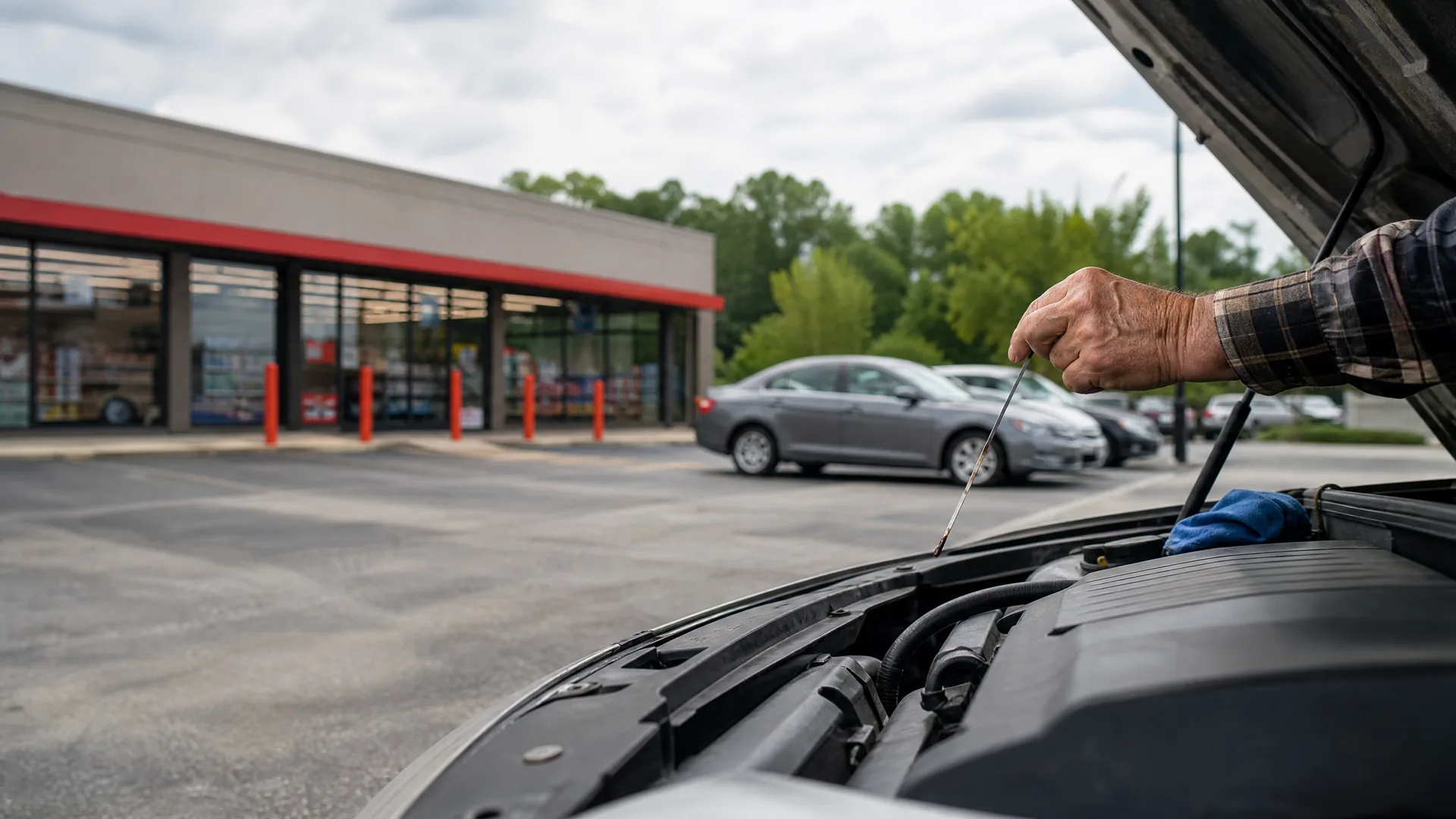
Full coverage means comprehensive and collision on top of the liability Maine requires. Both of those only pay out up to your car's actual cash value.
If your car is older and worth little, full coverage may cost more over a year than it would ever pay out in a claim. This isn't about your age. It's arithmetic that applies to any car past a certain value.
Ask your insurer what your car is currently valued at before you renew, not after a claim. If the number is low, ask what dropping comprehensive and collision would save you, and decide from there whether it's worth carrying.
If you're still making payments on the car or it's leased, your lender likely requires full coverage regardless of the car's value. Check your loan or lease terms if you're unsure.
Questions people ask about this
Does Medicare or a senior discount lower my car insurance in Maine?
No, Medicare has nothing to do with car insurance. Senior discounts for auto insurance come from the insurer itself, often tied to a defensive driving course or a clean record, and they vary by company. Ask your agent what discounts they offer for your age group specifically.
Can my insurer drop me for being too old in Maine?
An insurer can choose not to renew a policy for reasons tied to risk, but age by itself isn't a legal reason to cancel coverage. If you get a non-renewal notice, ask the insurer in writing what prompted it, since it's more likely tied to your record or claims than to your age.
Will my rate go up if I fail a vision test at license renewal in Maine?
A vision test is about keeping your license, not your insurance rate directly. But if a vision issue leads to a restricted license, such as daytime-only driving, you need to tell your insurer, since driving outside those restrictions could affect a claim.
Should I drop collision coverage once my car is paid off?
That depends on what your car is worth and what you can afford to replace it with out of pocket. Once there's no loan requiring it, the decision comes down to whether the premium is worth the payout, which is worth asking your insurer to calculate for you.
Does my policy change if I stop driving as much after retirement?
It can, since many insurers price partly on estimated annual mileage. If you're driving less now that you're retired, tell your insurer. Some offer lower rates for lower mileage, but you have to report the change for it to count.
See what full coverage costs from insurers that price your age and your record differently.

Pull your current policy and check what your car is listed as worth. Call your insurer and ask two things: what discounts apply to you now, and whether dropping comprehensive or collision makes sense given that value. If you've taken a defensive driving course, find the certificate and send it in, since most insurers won't apply that discount without it. If your license has new restrictions, mention them now rather than waiting for renewal. Then compare what your current insurer offers against a couple of others, since the same driving record can price very differently from one company to the next.