Full Coverage Car Insurance for Seniors in Massachusetts
Full coverage is still available and still worth comparing, because age alone doesn't set the price, your car and your record do.
Yes, and age by itself isn't what decides the cost
Full coverage car insurance is available to drivers at any age in Massachusetts, including seniors, as long as the car qualifies for it. Full coverage usually means you're carrying both collision and comprehensive on top of the state's required liability coverage, and insurers decide eligibility mostly by the car's value and condition, not the driver's birthday.
What changes your price is a mix of things: your driving record, how much you drive, the car you own, and which insurer you ask. Some insurers do look harder at drivers past a certain age, others don't weight it much at all, which is exactly why comparing matters more here than guessing based on one renewal notice.
Your driving record still carries the most weight
A clean record keeps you eligible for the better rates at almost every insurer, regardless of age. If you've had a recent accident or a ticket, that will move your premium more than turning another year older will.
Some Massachusetts insurers offer a discount for completing an approved driver refresher course, and these courses are common among older drivers. But the discount isn't automatic. You usually have to send the insurer your certificate yourself after finishing the course, so check with your agent about which courses qualify and what they need from you.
If your license has any restrictions from a recent vision test or medical review, mention that when you compare quotes. It won't disqualify you from full coverage, but an insurer will want accurate information up front rather than finding out later.
If you've gone years without a claim, ask each insurer directly whether they have a claims-free discount and how far back it looks. Not all of them calculate it the same way.
The car matters more than most seniors expect
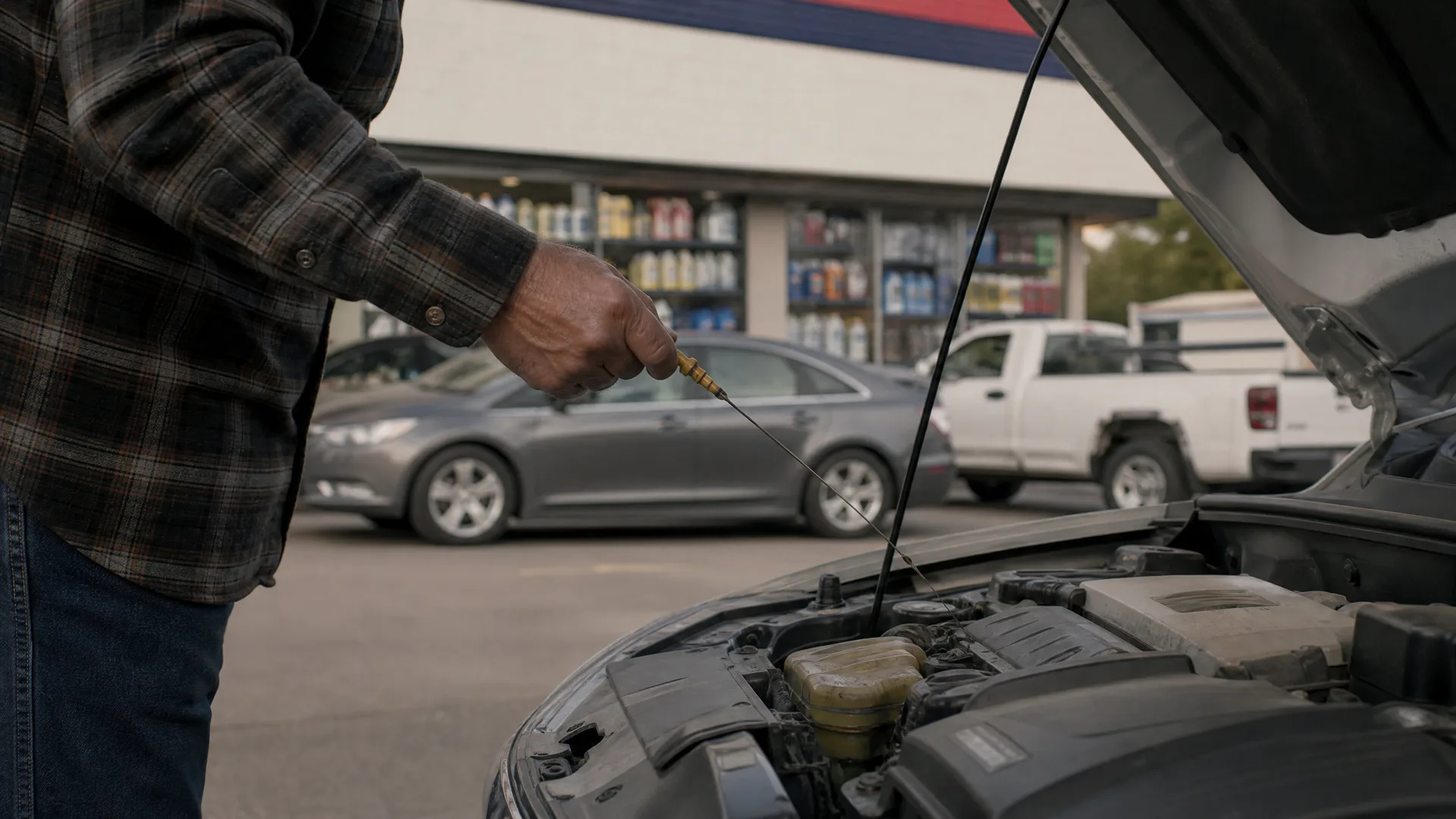
Full coverage only makes financial sense on a car worth enough to justify it. If your car is older and worth relatively little, collision and comprehensive coverage might cost more over a year than the car is worth replacing, and that's worth doing the math on with your agent.
How much you drive also factors in. Many seniors drive fewer miles after retiring, and some insurers offer a lower-mileage rate if you ask for it. It won't appear automatically on a renewal unless you request it or your insurer specifically tracks mileage.
Where you park and store the car overnight matters too, particularly in Massachusetts given weather and theft risk vary by town. If you've moved, downsized to a garage, or changed how often the car sits outside, let your insurer know, since that can shift your comprehensive premium either way.
Questions people ask about this
Does Massachusetts require seniors to retest for their license?
Massachusetts sets its own rules for license renewal requirements by age, including whether a vision test or in-person renewal is required. Check directly with the Massachusetts RMV for the current rules that apply to your age, since this isn't something your insurer decides.
Will my car insurance go up automatically as I get older?
Not automatically, but some insurers do adjust rates based on age brackets at renewal. The only way to know how a specific insurer treats this is to ask them directly or compare what others would charge for the same driver and car.
Can I drop collision coverage and keep comprehensive only?
Yes, these are usually separate coverages and you can choose to carry one without the other. If your car is paid off, ask your agent what you'd be giving up and whether dropping collision actually saves enough to matter for your situation.
Does a defensive driving course lower my rate right away?
Only after you send your insurer the completion certificate, since the course itself doesn't trigger anything automatically. Ask your insurer in advance which courses they accept and how the discount gets applied, so you're not waiting on a renewal to find out.
Should I tell my insurer if I'm driving less than I used to?
Yes, because mileage affects your premium and insurers don't always find out on their own. Ask whether they offer a lower rate for reduced annual mileage and what proof, if any, they need from you.
Compare what different insurers would actually charge you before you decide what to keep or drop.

Pull your current policy and look at what you're paying for collision and comprehensive separately from liability. Have your driving record and your car's mileage on hand, since both affect what you're quoted. If you've taken a driver refresher course recently, keep the certificate ready to send in. Ask your current insurer directly whether age affects their pricing and whether they offer a low-mileage or claims-free discount. Then compare that quote against a few others this week, since the difference between insurers on the same car and driver can be significant. Bring any vision test restrictions on your license with you when you ask for quotes, so the number you get back is accurate.