Full Coverage Car Insurance for Seniors in Wisconsin
Full coverage is available to Wisconsin drivers at any age. Your record and your car's value decide what it costs, not your birthday.
Yes, age alone doesn't limit full coverage in Wisconsin
Insurers in Wisconsin don't cut off full coverage at a certain age. If your car is worth insuring against collision and damage, you can carry full coverage for as long as you want to pay for it.
What changes as you get older is the price and the questions your insurer asks. A clean driving record still gets the best treatment. Some insurers watch more closely for vision or reaction time concerns as drivers age, and that can show up in how they rate you or whether they ask for a new driving evaluation. None of that is a Wisconsin rule. It's how individual insurers underwrite.
Your driving record still carries the most weight
A clean record keeps your rate close to what any other driver with that record would pay. Age by itself isn't a penalty. Insurers price on what you've actually done behind the wheel, not on a birthday.
If you've had a recent accident or a ticket, that will affect your full coverage premium more than your age does. Ask your insurer directly how they weigh age against record, since that mix isn't the same from one company to the next.
Some senior drivers take a defensive driving or mature driver course. Wisconsin insurers aren't required to give a discount for this, but many offer one. If you take a course, send the completion certificate to your insurer yourself. The discount isn't automatic just because you finished the class.
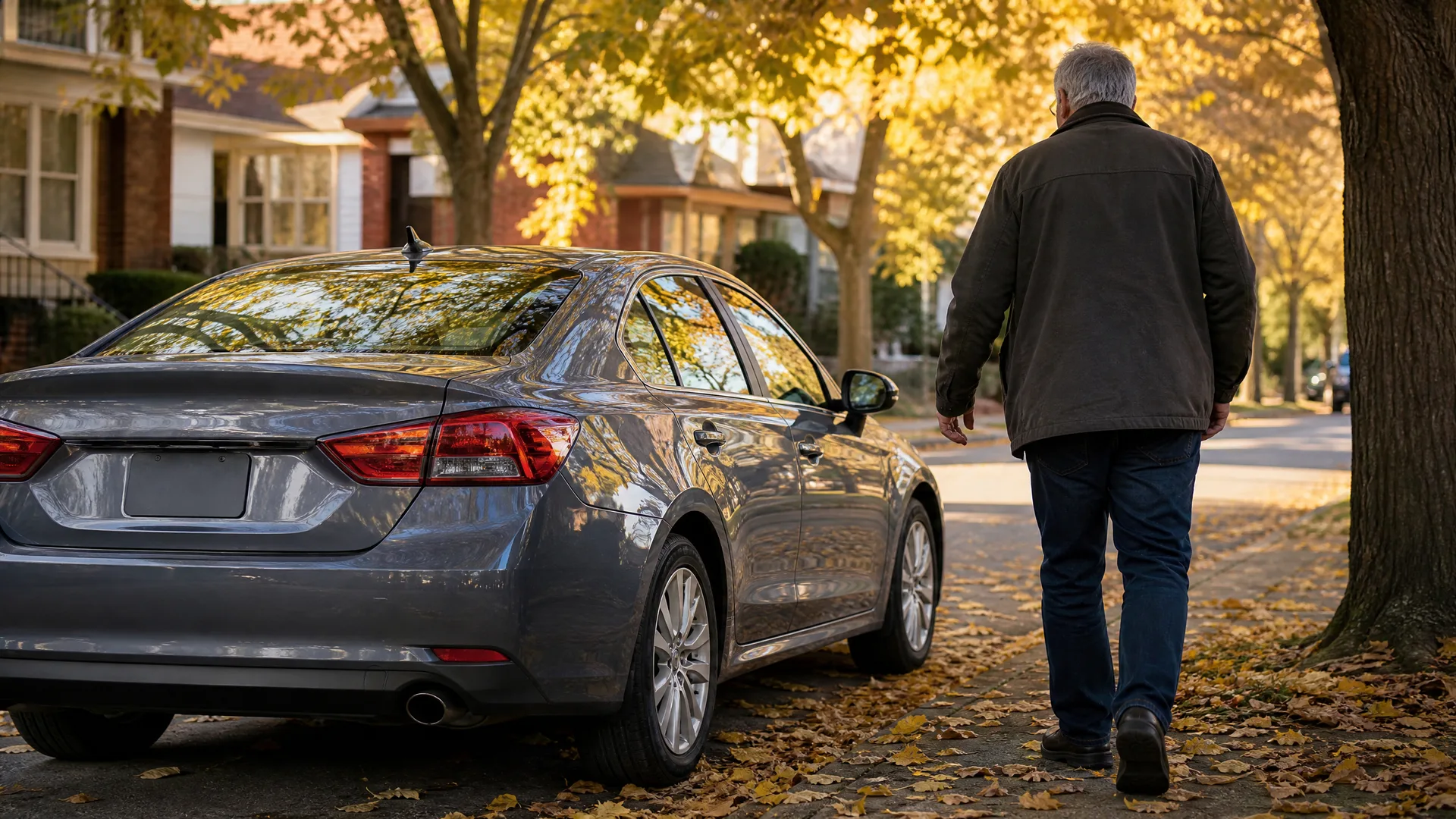
What your car is worth decides if full coverage makes sense
Full coverage pays out based on your car's value, minus your deductible. If your car is older and worth little, the payout in a claim may not be much more than what you'd pay in premiums over a few years.
Check your car's current market value against what you're paying for comprehensive and collision each year. If the math is close, dropping to liability only and keeping the savings aside is worth considering.
If you still owe money on the car, or if it's newer and worth more, full coverage makes more sense to keep. This is a calculation worth redoing every year or two, since your car's value keeps dropping even if your premium doesn't.
Questions people ask about this
Does Wisconsin require a vision test to renew a license at a certain age?
Wisconsin sets its own renewal rules, including whether a vision test is required and at what age. Check directly with the Wisconsin DMV for the current renewal requirements tied to age, since these rules can change.
Will my car insurance go up automatically when I turn a certain age?
Not automatically. Insurers reassess risk at renewal based on your record, your car, and sometimes your age, but there's no fixed age in Wisconsin that triggers an automatic increase. Ask your insurer how they factor age into your specific renewal.
Can my insurer drop my coverage because of my age alone?
No single rule allows an insurer to cancel coverage based on age alone. Insurers can decline to renew for other reasons tied to risk, like a lapse in driving ability or a pattern of claims. If you get a non-renewal notice, ask your insurer directly what prompted it.
Is there a senior discount for car insurance in Wisconsin?
Some insurers offer discounts tied to completing a mature driver or defensive driving course, but this isn't required by the state. Ask your insurer whether they offer one and what they need from you, usually a copy of the course certificate.
Should I switch to liability only once I'm retired and driving less?
That depends on your car's value and how much you'd lose without collision and comprehensive coverage in an accident. Driving less can lower your premium with some insurers, but it doesn't change whether full coverage still makes sense for your car.
See what full coverage actually costs for your car before you decide to change anything.

Pull your current policy and check what you're paying for comprehensive and collision specifically, separate from liability. Look up your car's current trade-in value so you can compare it against what full coverage would pay out. If you've taken a mature driver course recently, find the certificate and send it to your insurer directly, since they won't apply it on their own. Call your insurer and ask plainly how they factor age into your rate and whether a new policy or any evaluation is required at renewal. If a renewal notice shows a jump in price, ask what specifically changed before you accept it.