Comprehensive Coverage for Seniors in Wisconsin
Comprehensive coverage works the same at every age. What changes for seniors is the rate and the discounts available to lower it.
Comprehensive coverage itself doesn't change for seniors
Comprehensive pays for damage to your car from something other than a crash. Hail, a deer, a cracked windshield, theft, a tree branch in a storm. Wisconsin doesn't require it, but if you have a loan or lease on the car, the lender almost always does. None of that changes because you turned 65 or 70.
What does change is the price and the discounts you may now qualify for. Some insurers lower rates for older drivers who've taken an approved defensive driving course. Others adjust pricing based on how much you drive, which tends to drop after retirement. Whether either applies to you depends on your insurer, so it's worth asking directly.

Your driving record still matters more than your age
Insurers price comprehensive and your other coverages together, and your driving record carries more weight than the fact that you're a senior. A clean record for the past several years works in your favor regardless of age. A recent ticket or claim can offset any senior discount you'd otherwise get.
If you haven't had a claim or violation in some time, ask your insurer whether that's reflected in your current rate or whether you need to request a review. Some companies update this automatically at renewal. Others don't, and the only way to find out is to ask.
If you do have something recent on your record, like a fender bender or a moving violation, it's worth asking how long it stays factored into your rate. That answer varies by insurer and sometimes by state rule, so check with yours directly rather than assuming.
The car you drive changes what comprehensive is worth to you
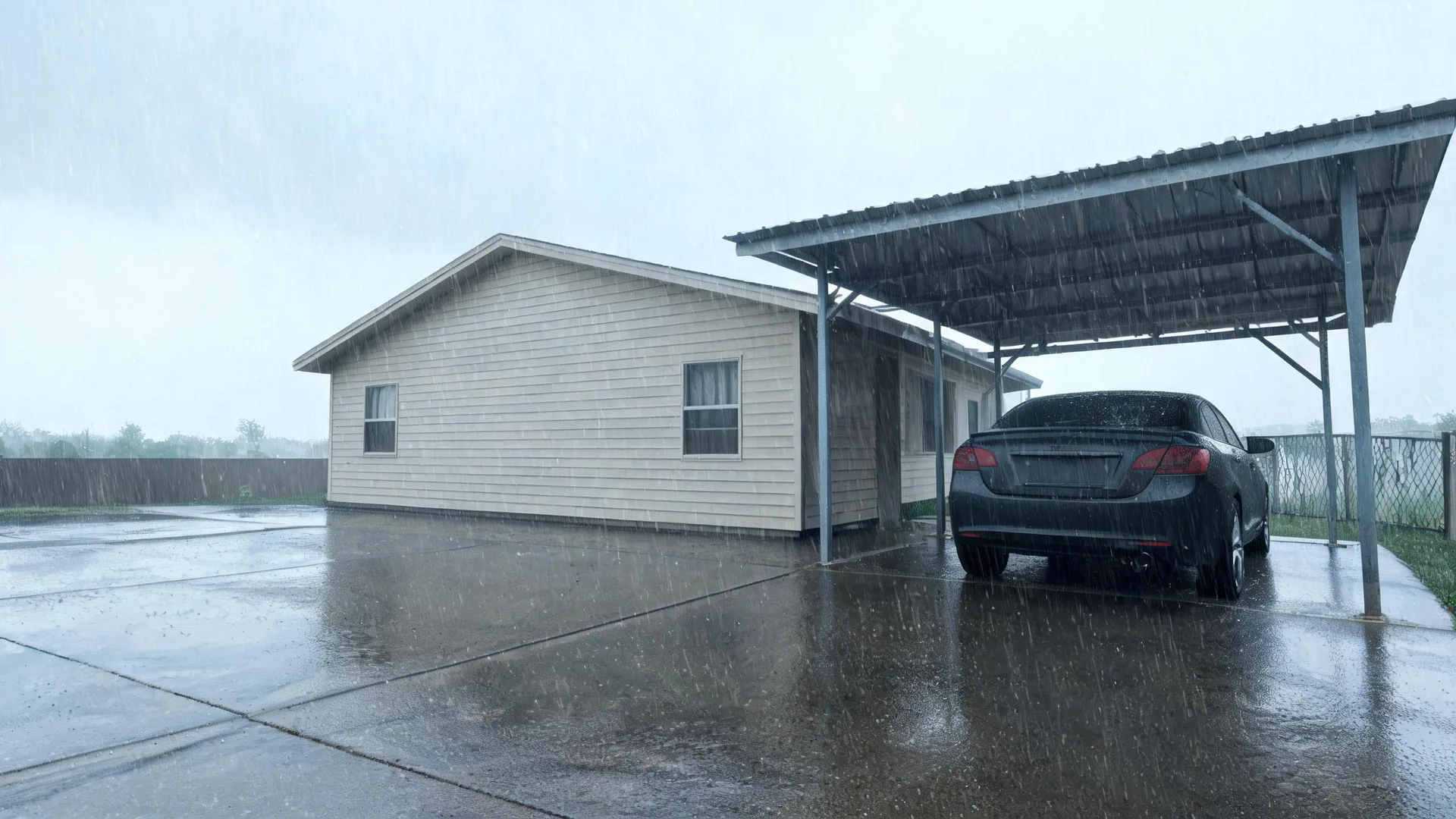
Comprehensive pays out based on your car's value, not what you paid for it or what it would cost to replace. If you're driving an older paid-off car, the payout in a claim may be small enough that the premium isn't worth it to you. That's a decision many seniors reconsider once a car is several years old.
If your car is newer, financed, or leased, comprehensive is likely required by the lender, and dropping it isn't an option until the loan is paid off.
Either way, ask your insurer or agent what your car's current comprehensive payout would realistically look like before you decide to keep or drop the coverage. That number tells you more than the premium alone does.
Questions people ask about this
Does comprehensive coverage cost more for seniors in Wisconsin?
Not automatically. Age alone doesn't set the price of comprehensive coverage. Insurers look at your driving record, your car, where you park it, and your claims history. Some seniors see lower rates because they drive less or qualify for a mature driver discount. Ask your insurer which factors are actually moving your rate.
Is there a Wisconsin discount for taking a defensive driving course as a senior?
Many insurers offer one, but it's not required by the state and not every company offers it. Check with your own insurer which courses they accept and whether you need to submit a certificate to get the discount applied. Some only apply it going forward, not retroactively.
Can I drop comprehensive coverage on an older car?
You can, if the car is paid off and not leased. Once there's no lender requiring it, the decision comes down to whether the car's value still justifies the premium. Ask your insurer what your car would be valued at in a claim before deciding.
Will my comprehensive coverage change if I stop driving as much after retirement?
It may, if your insurer offers usage-based or low-mileage pricing. Not all do. Ask your insurer directly whether reporting lower annual mileage affects your comprehensive premium or only other parts of your policy.
Does Wisconsin require comprehensive coverage for senior drivers?
No. Wisconsin doesn't require comprehensive coverage for any driver regardless of age. It's only required if your car loan or lease agreement requires it. Check your loan documents or ask your lender if you're unsure.
See what comprehensive coverage would actually cost you before you renew.
Pull out your current renewal notice and find the line for comprehensive coverage. Call your insurer and ask two things: whether you qualify for a mature driver or low-mileage discount, and what your car's current payout value would be in a claim. If you've taken a defensive driving course recently, ask whether they need the certificate on file to apply any discount. Then compare that against quotes from a couple of other insurers, since the same car and the same driver can be priced differently depending on the company.