Comprehensive Coverage for Seniors in Washington
Comprehensive coverage protects your car from things other than a crash, and age alone doesn't change what it costs or whether you need it.
Comprehensive coverage works the same way at any age
Comprehensive pays for damage to your car from something other than a collision. Theft, vandalism, a falling tree branch, a windshield cracked by a rock, a deer in the road. Washington doesn't require it, but if you have a loan or a lease on the car, the lender almost always does.
Your age doesn't change what the coverage pays for or how it works. What changes your premium is the usual mix: your car's value, where you park it, your driving record, and the insurer you choose. A senior with a clean record and a paid-off car often sees a lower comprehensive premium than a younger driver, not because of age itself but because of that record and because insurers price risk, not birthdays.
Your car's value decides whether comprehensive is worth keeping
Comprehensive coverage only pays out up to your car's actual cash value, minus your deductible. If your car is older and worth little, the payout in a claim may not be much more than the deductible itself.
This is worth checking directly rather than guessing. Look up what your car is worth now, not what you paid for it. If the number is close to your deductible, the coverage may not be doing much for you financially, even though it still protects against a total loss from theft or fire.
If you still owe money on the car or lease it, this decision isn't yours to make. The lender's contract will say what coverage you're required to carry, and you can't drop comprehensive until that loan is paid off.
If the car is paid off and worth relatively little, ask your insurer or agent to run the numbers both ways, with and without comprehensive, so you can see the actual difference in your premium against what you'd stand to recover in a claim.
How you use the car now changes what makes sense
Many drivers in their sixties, seventies, and beyond drive fewer miles than they used to. Some insurers offer a lower rate for low annual mileage, and this can affect comprehensive pricing along with the rest of the policy.
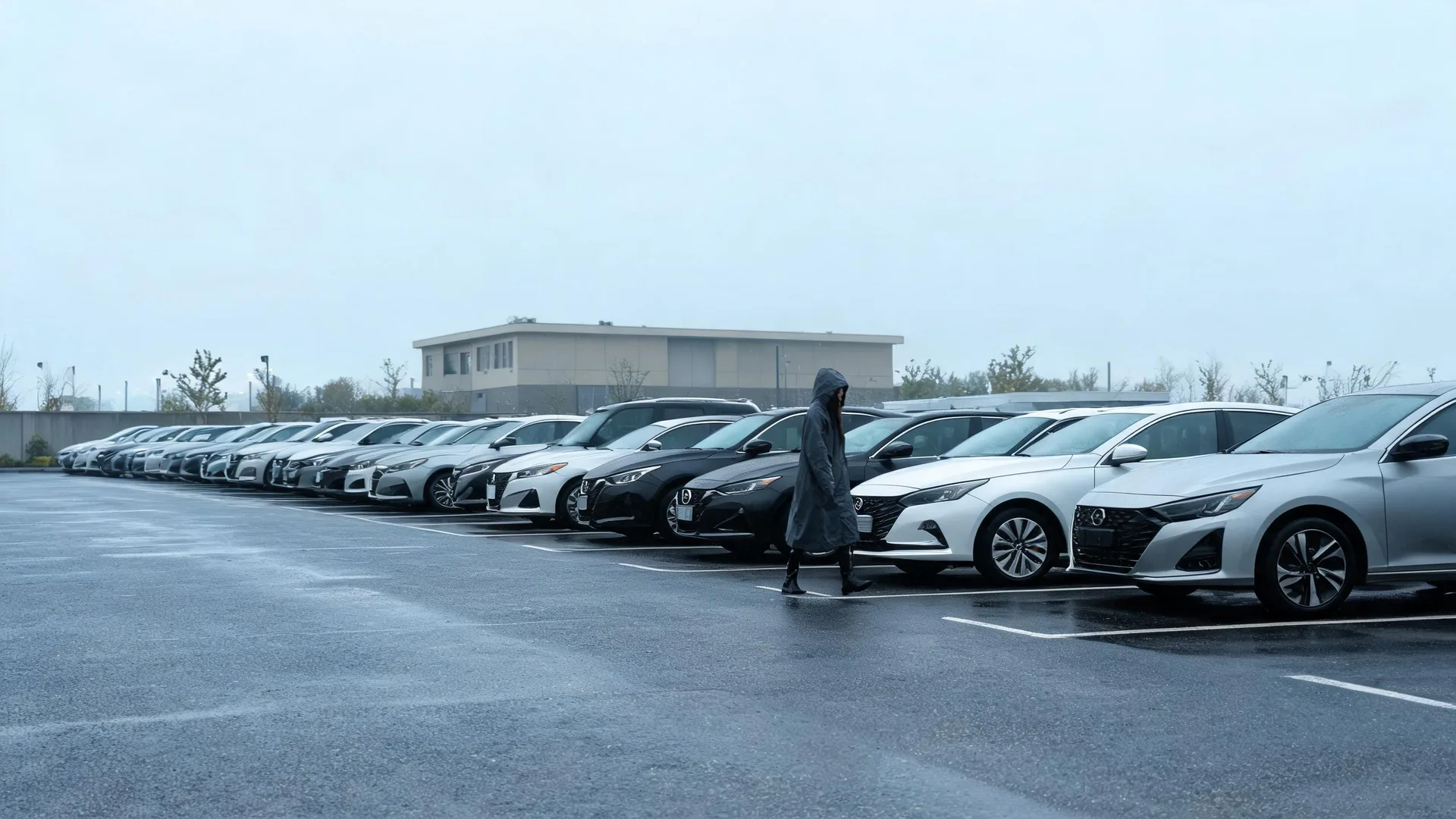
Where you keep the car overnight matters too. A garage or a locked carport lowers the risk of theft or weather damage compared to street parking, and some insurers ask about this directly when pricing comprehensive.
If you've reduced how often you drive, or changed how the car is stored, tell your insurer. Rates are often set based on information from years ago, and an update in either direction can change what you're paying.
If you take a defensive driving or mature driver course, ask your insurer whether it affects your premium and whether you need to send them a certificate afterward. Some insurers apply this to the whole policy, others don't, and it isn't automatic.
Questions people ask about this
Does Washington require comprehensive coverage for older drivers?
No. Washington's minimum insurance law doesn't include comprehensive at any age. It only becomes required if a lender or leasing company requires it as a condition of financing.
Will my comprehensive premium go up once I turn a certain age?
Not automatically because of a birthday. Insurers price comprehensive based on your car, your location, and your driving record. Some insurers do factor in age as one part of a broader pricing model, so it's worth asking your own insurer how they handle it rather than assuming.
Can I drop comprehensive coverage if I don't drive much anymore?
You can, if the car is paid off and you don't lease it. Before doing so, check what your car is currently worth and what you'd lose if it were stolen or damaged by something other than a collision, since that's the risk comprehensive covers.
Does comprehensive coverage cost less than collision coverage?
It often does, since comprehensive covers a narrower set of events like theft, weather, and vandalism rather than crash damage. The actual difference depends on your car and your insurer, so ask for the cost of each separately rather than assuming.
What happens to comprehensive coverage if I stop driving but keep the car?
You can usually keep comprehensive coverage on a car you own but don't drive, which protects it from theft, fire, or weather damage while parked. Ask your insurer whether they offer a reduced rate for a car that's stored or driven rarely, since this is handled differently insurer to insurer.
See what comprehensive coverage costs from a few different insurers before deciding what to keep.
Pull up your renewal notice and find the line that shows what you currently pay for comprehensive. Look up your car's current value using a site like Kelley Blue Book so you have a real number to compare it against. Call your insurer and ask directly how your age, mileage, and parking situation factor into that price. If you've taken a mature driver course recently, ask whether you've sent them the certificate, since the discount usually isn't automatic. Then get a quote or two from other insurers using the same car and driving details so you're comparing the same coverage, not just a lower number.