How to Keep an Older Car From Rusting
Rust spreads fastest in road salt and moisture, so washing the underside and treating small spots early is what actually keeps it from eating into the frame.
Rinse the underside often and fix small rust spots before winter
The most reliable way to keep an older car from rusting is to wash the undercarriage regularly, especially after roads have been salted, and to deal with chips and scratches in the paint before they turn into rust spots. Rust starts where bare metal is exposed to moisture, so anything that keeps water and salt from sitting on the metal slows it down.
For a car that's been driven for years, rust has usually already started somewhere you can't see, like wheel wells, the underbody, or around the exhaust. Catching it early with an annual inspection underneath the car, and touching up paint chips as they happen, does more than any single product you can spray on once a year.
Where you live and park matters more than the car's age
A car's exposure to salt and moisture does more to cause rust than how many years it's been on the road. A car driven through winters where roads are salted will rust faster than the same car driven somewhere dry, even if the dry-climate car is older.
If you park outside, rust forms faster because the car goes through more cycles of wet and dry, hot and cold. A garage, even an unheated one, cuts down on that a lot. If you don't have one, parking somewhere with better drainage, away from puddles that form after rain, helps too.
Washing the car, including underneath, after winter driving or after the car has been near salt water, rinses off the salt before it has time to sit on the metal. A garden hose with enough pressure to reach the undercarriage works fine. Some car washes offer an undercarriage rinse as part of the service, which is worth asking for.
If rust has already started, having it treated and sealed by a body shop before it spreads is worth the cost. Once rust reaches structural parts of the frame, it can affect what an insurer is willing to cover, since some policies treat rust damage differently from collision damage.
What most people get wrong about preventing it
Many people assume a rustproofing spray applied once will protect the car going forward. It doesn't last. Undercoating and rust inhibitor sprays wear off with driving and need to be reapplied, usually every year, for them to keep doing their job.
Another common mistake is only looking at the parts of the car you can see. Rust usually starts underneath, inside wheel wells, or in the frame rails, long before it shows up on a door panel or fender. By the time you can see it from the outside, it's often already gone further than it looks.
Ignoring small chips in the paint is another one. A chip the size of a coin, left alone, lets moisture reach bare metal and start rust that spreads under the paint around it, often faster than people expect. Touch-up paint or a trip to a body shop for a small chip costs far less than fixing the spreading rust later.
Finally, people sometimes wait for a scheduled service to mention rust to their mechanic instead of asking directly. If you want someone to check for it, ask them to specifically look underneath and in the wheel wells, since a general inspection doesn't always include that.
Questions people ask about this
Does rust damage affect my car insurance claim?
It depends on your policy and your insurer. Rust is considered wear and deterioration by many insurers, which is usually excluded from collision or comprehensive coverage. Ask your insurer directly how they classify rust damage and whether it would affect a claim for related damage, like a collision that happens near an already-rusted area.
Will rust lower my car's resale value a lot?
Visible rust, and especially structural rust, lowers resale value because buyers and dealers see it as a sign of bigger problems underneath. How much it affects the price depends on where the rust is and how far it's spread, which is something a mechanic or appraiser can assess for you.
Can I get rustproofing done after I already own the car?
Yes, rustproofing can be applied at any point, not just when the car is new. Many body shops and dealerships offer it as a service. It works best on a car that doesn't already have active rust, so having the car inspected and any existing rust treated first makes the rustproofing more effective.
Is undercoating worth it for an older car?
It can help, but it works best as ongoing protection rather than a one-time fix. Undercoating wears down with driving and road exposure, so it needs to be checked and reapplied periodically. Ask the shop that applies it how often they recommend reapplication for your driving conditions.
How do I know if rust has reached the frame?
A visual inspection from underneath the car is the only reliable way to tell, since frame rust often isn't visible from the sides or top. A mechanic can check this during routine service. If you notice flaking metal, holes, or a rough texture on the frame rails, have it looked at before driving the car extensively.
If rust has reached the frame, it's worth checking how your insurer treats that kind of damage before you need to file a claim.
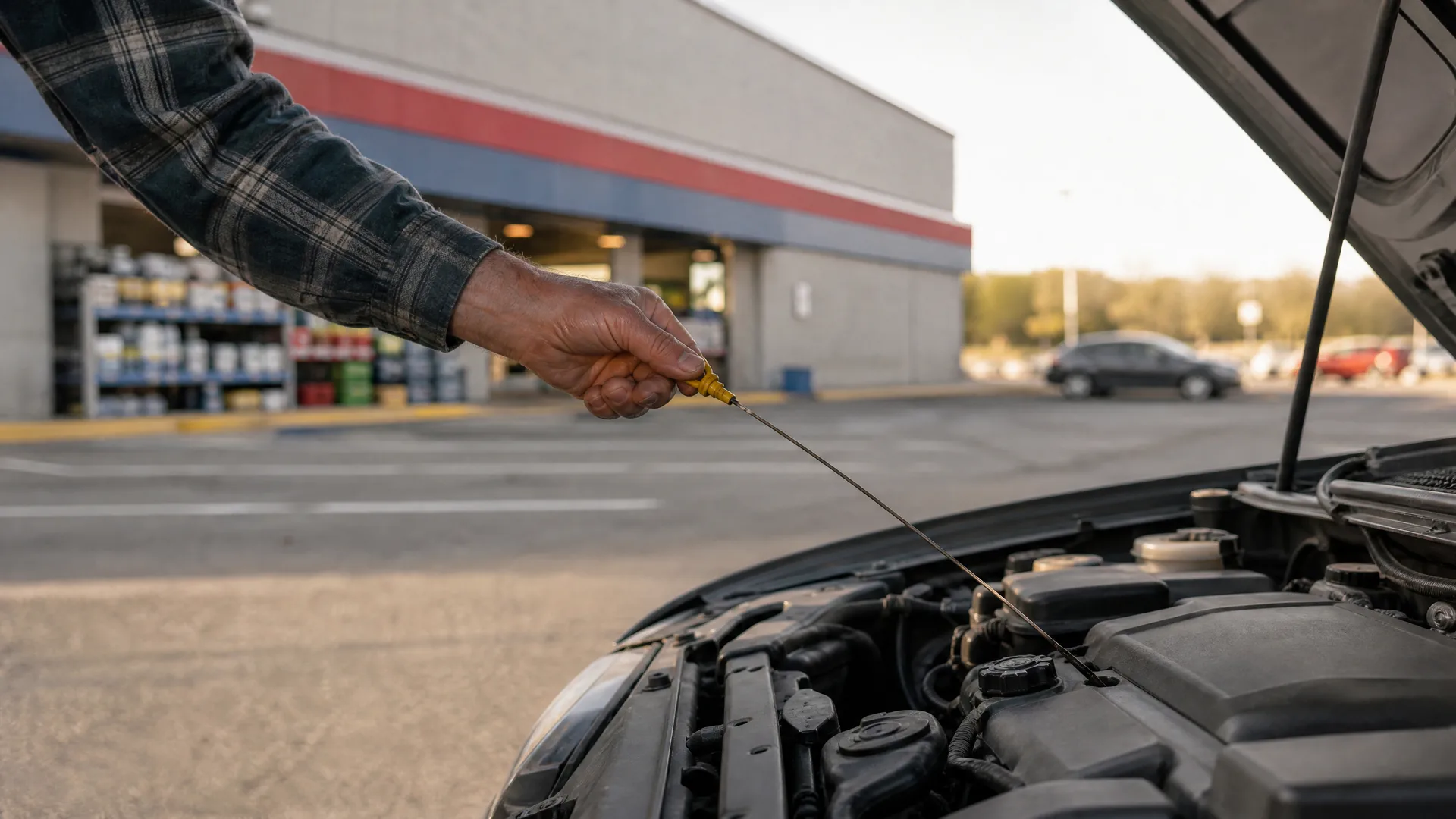
This week, have a mechanic look underneath the car, including the wheel wells and frame rails, not just the parts you can see from the side. Ask them to point out any active rust and what it would take to treat it now versus waiting. If you find paint chips or small scratches, get those touched up before the next wet season. And if you're due for a policy renewal, ask your insurer how they handle rust and corrosion damage, since that answer depends on the company and the specific policy, not on the car itself.