How to Save for Car Repairs After Dropping Collision
The money you're saving on premium only protects you if you actually set it aside somewhere you won't touch it.
Open a separate account and fund it automatically
The way that works is to open an account you don't use for anything else and have a fixed amount moved into it every time you're paid. Treat it the same way you treated the collision premium: money that leaves your checking account on a schedule, whether you think about it or not.
The reason this matters more than the amount is that collision coverage used to do this for you without your noticing. You paid a premium, and when something happened, the money was there. Now you're the one who has to make sure the money is there, and that only happens if the saving is automatic rather than something you mean to get to.
What your car is worth changes how much you need
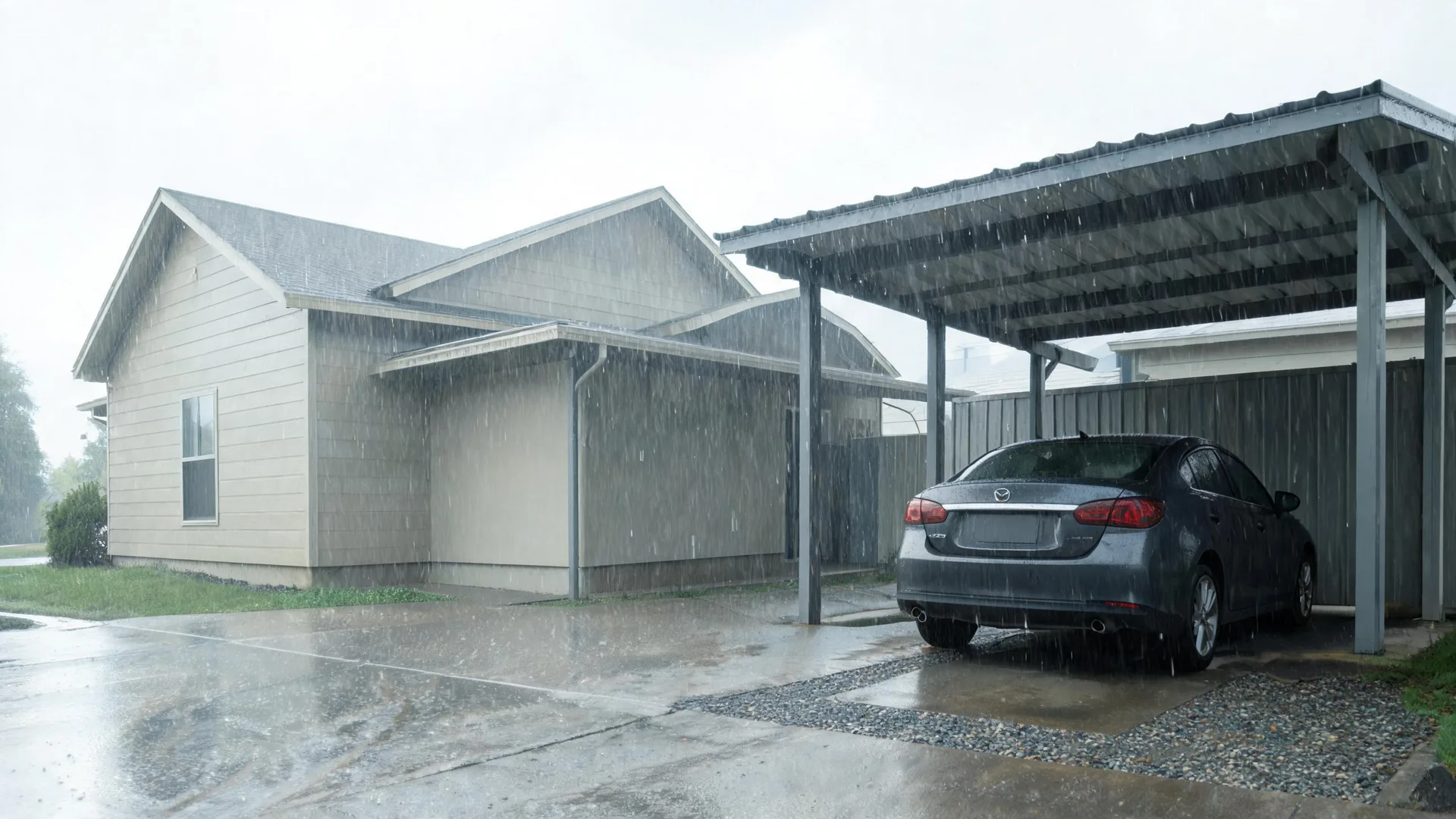
A car worth little isn't going to generate a large repair bill from a collision claim, because an insurer would have totaled it rather than paid for extensive repairs anyway. The fund you need mainly covers the kind of damage that happens outside a crash: a cracked bumper from backing into something, a door ding, hail, a tree limb.
If your car is older and worth less, aim your fund at the repairs you're statistically likely to face, not at replacing the car. Check what similar repairs cost for your make and model. A body shop will usually give you a rough estimate over the phone without charging you.
If your car is still worth a meaningful amount, a collision could genuinely total it or require a repair bill large enough to strain a small fund. In that case, think about what you'd actually do if the car were totaled tomorrow. Some people in this position decide the fund needs to cover a down payment on a replacement, not just a repair.
What most people get wrong about the amount
People tend to size the fund around a single large repair and stop there, treating it like a one-time target instead of something that needs to keep refilling. A repair fund that gets spent down to nothing after the first claim isn't doing the job collision coverage did, because collision coverage was always there for the next incident too.
The other mistake is forgetting that a comprehensive claim, if you kept that part of your coverage, still comes with a deductible you'll need to cover out of pocket. If you dropped collision but kept comprehensive, your fund needs to cover that deductible on top of anything comprehensive won't pay for.
It also helps to separate what you're saving for repairs from your general emergency savings. If the two funds are mixed together, a car repair and a medical bill in the same month can both draw from the same pool, and you may find the fund wasn't really there when you needed it for the car specifically.
Questions people ask about this
Should I keep comprehensive coverage if I drop collision?
Many drivers keep comprehensive and drop only collision, since comprehensive covers things like theft, vandalism, and weather damage at a lower premium than collision typically costs. Whether that makes sense for you depends on what you're trying to save on and what risks concern you most. Ask your insurer for the separate cost of each coverage so you can see what dropping just one actually saves.
How much does a typical fender bender cost to repair without insurance?
It depends heavily on the car and the specific damage, so there's no single figure that applies across vehicles. A body shop can give you a written estimate for common repairs on your make and model, and that's a more useful number than any general estimate. Getting a few estimates for the kind of repair you're most likely to face will tell you what your fund actually needs to hold.
What happens if my repair fund runs out before it's full?
If damage happens before you've saved enough, you'd need to cover the gap another way, such as a personal loan or putting the repair on a card, since there's no collision coverage to fall back on. This is the main risk of dropping collision before the fund is built up. Some drivers keep collision until the fund reaches a level they're comfortable with, then drop it.
Does dropping collision affect my ability to get a car loan?
If your car is financed or leased, your lender likely requires you to carry collision and comprehensive coverage as a condition of the loan, regardless of what you'd prefer. Check your loan or lease agreement, or ask your lender directly, before you drop collision on a financed vehicle. This requirement usually ends once the car is paid off.
Can I add collision back later if I change my mind?
In most cases you can ask your insurer to add collision coverage back onto your policy, but your insurer may inspect the car first to confirm its condition. Whether your premium changes, and by how much, depends on the insurer and your situation at the time. Ask your insurer directly what the process would involve before you decide.
If you're weighing whether to drop collision at all, it helps to see what keeping it would actually cost you.
This week, get a repair estimate for the kind of damage your car is most likely to face, based on its age and how you drive it, so you know what the fund actually needs to cover. Open a dedicated savings account if you don't already have one, and set up an automatic transfer for the same amount you were paying toward collision. If your car is financed, check your loan agreement or call your lender to confirm whether collision coverage is required before you drop it. If you kept comprehensive coverage, ask your insurer what your deductible is, and make sure your fund can cover that amount on top of ordinary repairs.