If I Only Have Liability Insurance and Someone Hits Me
If the other driver caused the accident, their liability coverage pays for your car and injuries, not yours.
The other driver's insurance covers you
Liability insurance pays for damage you cause to someone else. It doesn't pay for your own car or your own injuries. So if another driver hits you and the accident is their fault, you file a claim against their liability coverage, not your own.
This holds as long as fault is clear and the other driver is actually insured. If either of those is in question, the claim gets more complicated, and what happens next depends on your state and your insurer.
Whether the other driver is insured
Everything above assumes the other driver carries liability insurance and enough of it to cover what they owe you. If they don't carry insurance at all, or their coverage is too small for the damage they caused, their policy won't make you whole.
In that situation, what protects you is your own policy, specifically uninsured or underinsured motorist coverage, if you have it. Without it, you may have no way to recover the rest except suing the other driver directly, which depends on whether they have anything worth collecting.
Check your own policy now, before anything happens, to see if you carry uninsured or underinsured motorist coverage. If you don't know, call your agent and ask directly. It's often the only thing standing between you and paying out of pocket for someone else's mistake.
Whether fault is actually clear
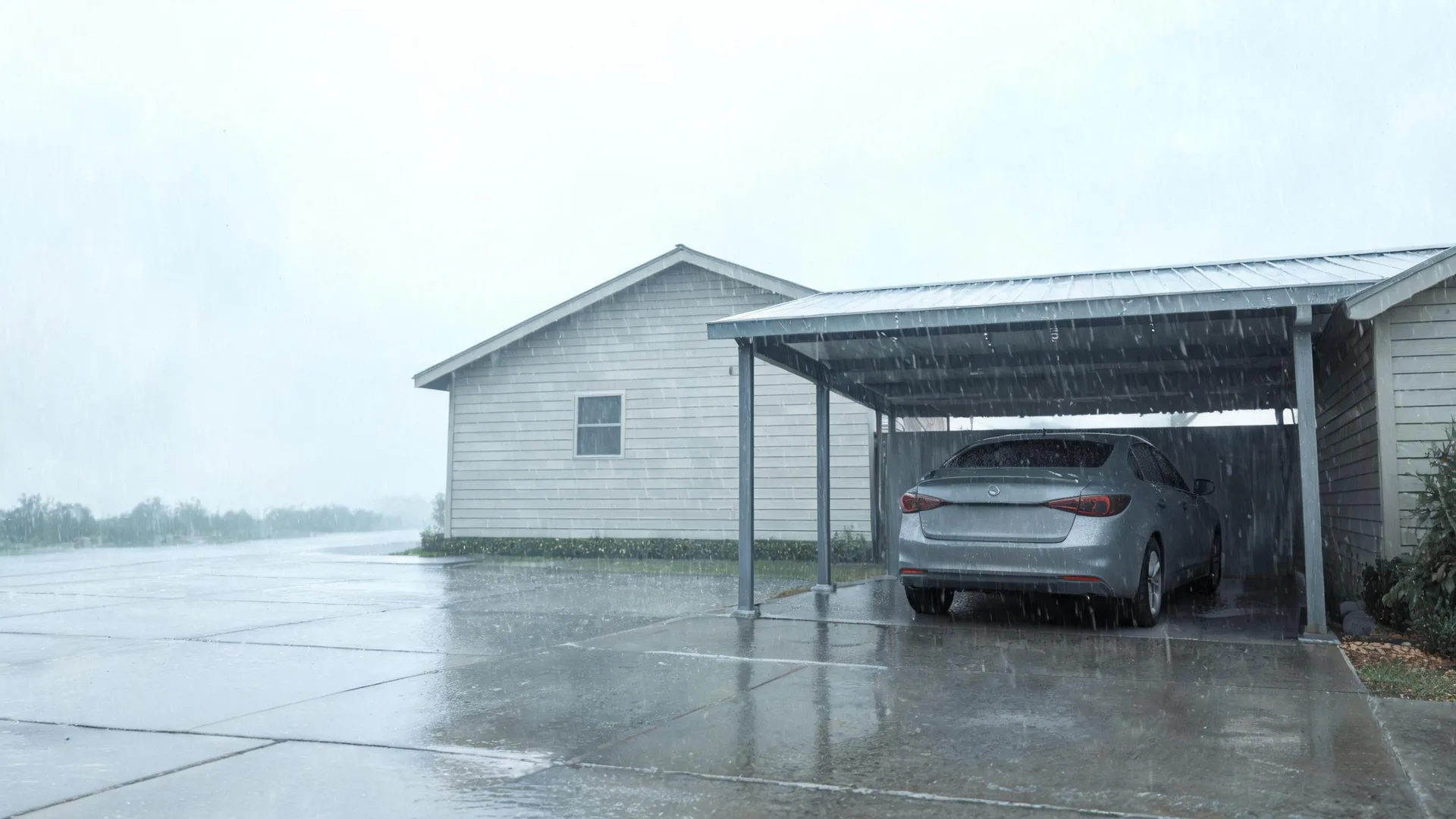
The other driver's insurer only pays if their insurer agrees their driver was at fault. Insurers investigate before they pay anything. They look at the police report, any witness statements, and sometimes photos or dashcam footage.
If fault is disputed, meaning the other insurer says their driver wasn't entirely to blame, the claim can slow down or get partially denied. You may need to file through your own collision coverage first, if you have it, and let your insurer pursue the other driver's insurer to get its money back.
This is one reason it helps to have a police report and to exchange insurance information at the scene, even when the accident seems minor. Without that documentation, the claim can come down to one driver's word against another's.
Questions people ask about this
Do I need to file a claim with my own insurance if the other driver was at fault?
Not necessarily, if the other driver's insurer accepts fault and you're willing to wait for their process. Some drivers still file through their own collision coverage because it tends to move faster, then let their insurer recover the cost from the other driver's insurer later. Ask your agent which route makes sense for your situation.
Will my insurance rates go up if someone else hits me?
Generally no, if the accident is clearly the other driver's fault and you're not the one filing on your own liability coverage. Insurers typically don't penalize drivers for accidents they didn't cause, but this can vary by insurer, so it's worth asking how they classify not-at-fault claims.
What if the other driver's insurance offers me a low settlement?
You don't have to accept the first offer. Insurers often start with a lower number, and you can negotiate or ask for an itemized explanation of how they reached it. If you disagree with their estimate of your damage or injuries, get your own repair estimate or medical documentation to support a higher amount.
Can I choose my own body shop instead of the one the other insurer recommends?
Usually yes. The other driver's insurer may suggest a shop, but you're typically not required to use it. Check with your own state's rules and the specific insurer involved, since some have preferred shop networks tied to warranties or faster claim handling.
How long do I have to file a claim after someone else hits me?
This depends on your state's statute of limitations for property damage and injury claims, which varies. Don't wait to find out. Report the accident to the other driver's insurer promptly and keep your own records in case the timeline becomes an issue later.
If this has you rethinking what your own policy would cover, it's worth seeing what other options look like.
Get the other driver's insurance information and a copy of the police report before you do anything else. Call your own agent this week, even if you don't plan to file a claim, and ask what uninsured and underinsured motorist coverage you currently carry. If you don't have it or aren't sure, ask what it would take to add it. Keep any repair estimates, medical bills, and correspondence with the other insurer in one place, since you may need them if the claim is disputed or drags on.