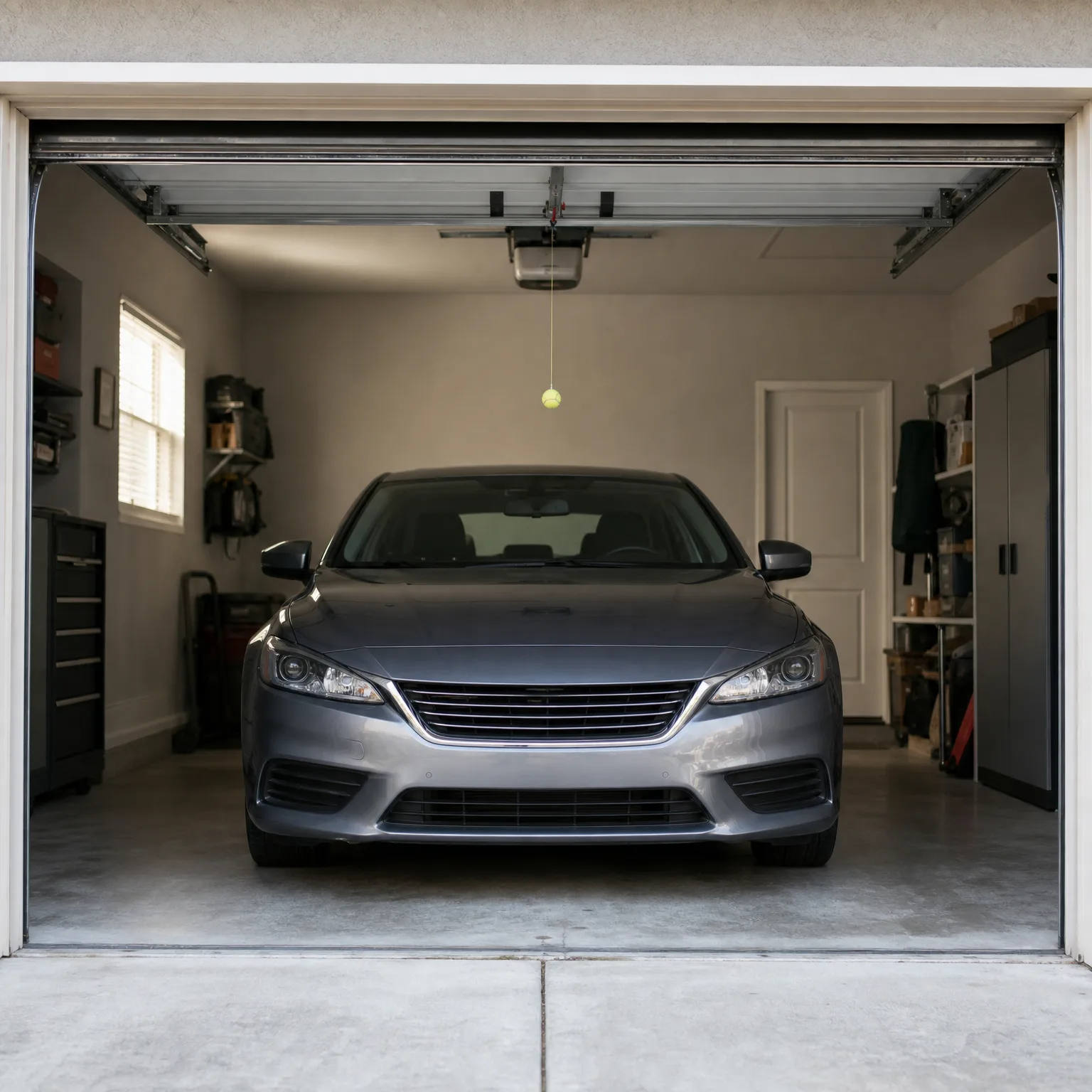
What Happens If an Uninsured Driver Hits a Senior
If the other driver has no insurance, your own policy, not theirs, is usually what pays for the damage.
Your own coverage pays, not the other driver's
When an uninsured driver causes the accident, there's no insurer on their side to file a claim against. What happens next depends almost entirely on what's already in your policy, specifically whether you carry uninsured motorist coverage.
If you have it, you file the claim with your own insurer, as if they stood in for the driver who hit you. If you don't have it, your options narrow to health insurance for injuries and small claims court for everything else, which often means collecting little or nothing from someone with no assets and no insurance.

Whether you carry uninsured motorist coverage
This single line on your policy decides almost everything about how this plays out. Uninsured motorist coverage pays for your injuries, and in many states your vehicle damage too, when the at-fault driver has no policy of their own.
Some states require insurers to offer this coverage, and a few require drivers to carry it. Others leave it optional, which means plenty of long-time policyholders have turned it down over the years to save on premium without realizing what it was protecting against.
If you're not sure you have it, your declarations page will say so, usually listed separately from your liability and collision coverage. If it isn't there, call your insurer and ask what it would cost to add it, because this is the coverage that matters most in exactly this situation.
Medicare and other health insurance will still cover medical treatment regardless of what happened with the other driver, but it won't replace your car or cover pain and suffering the way uninsured motorist coverage can.
What your state requires and allows
States differ on how uninsured motorist claims work, and the differences aren't small. Some states have mandatory minimums for this coverage, others don't require it at all, and the rules for how it interacts with your health insurance or Medicare vary too.
A few states use a fault system where you can also pursue the uninsured driver directly in court, though actually collecting depends on whether they have any income or assets worth pursuing. Other states limit how claims like this are resolved, sometimes through arbitration with your own insurer rather than a lawsuit.
Your state's department of insurance can tell you what's required where you live, and your own insurer can tell you exactly how your policy handles an uninsured driver claim, including any deductible that applies and how it affects your premium at renewal.
Questions people ask about this
Will my rates go up if an uninsured driver hits me and it wasn't my fault?
In most states, an accident that wasn't your fault shouldn't raise your premium, even if you file an uninsured motorist claim. Ask your insurer directly how they treat not-at-fault claims, since practices vary by company and state.
Does Medicare cover injuries from a car accident with an uninsured driver?
Medicare generally covers medically necessary treatment regardless of who caused the accident or whether they had insurance. It won't cover vehicle damage or lost income, which is what uninsured motorist coverage is for.
Can I sue the uninsured driver directly instead of filing a claim?
In most states you can, but a court judgment is only as good as the other driver's ability to pay it. Many people pursue this and recover little, which is why uninsured motorist coverage exists as the more reliable path.
What if the other driver had insurance but not enough to cover the damage?
That situation is usually called underinsured motorist coverage rather than uninsured, and it works similarly, filling the gap between what their policy pays and what your damages actually are. Check whether your policy includes underinsured coverage separately, since some policies bundle it with uninsured motorist coverage and some don't.
Should I report the accident to my insurer even if I don't plan to file a claim yet?
Most policies require you to report an accident within a certain time regardless of whether you file a claim right away. Waiting can complicate things if you later decide to pursue an uninsured motorist claim, so it's worth calling your insurer soon after the accident to ask what they need from you.
See what it would cost to add or increase uninsured motorist coverage before you need it.

Pull out your current policy's declarations page and check whether uninsured motorist coverage is listed, and if so, at what limit. If you're not certain what you're looking at, call your insurer and ask them to walk through it with you, including how it would apply if the driver who hit you had no insurance at all. Ask what a claim like this would cost you in deductible, and whether it would affect your premium at renewal. If you don't currently have this coverage, ask what it would cost to add it, since this is the week to find out rather than after another accident. If you were recently hit by an uninsured driver, report it to your insurer now, even if you haven't decided whether to file a claim.