Is It Worth Having Collision Insurance on an Old Car
Collision coverage is worth it when your car is worth more than the coverage costs you over time, and not much past that.
It depends on what your car is worth, not how old it is
Collision insurance pays to repair or replace your car after an accident that's your fault, up to its current market value. Once that value drops low enough, the most the insurer will ever pay you can end up close to what you're paying in premium over a year or two. At that point you're paying to insure a payout that barely covers the cost of insuring it.
Age isn't really the number that matters. A fifteen-year-old car that's been kept well and still has real value is a different case than a ten-year-old car that's been in a few accidents already. What matters is the actual cash value your insurer would pay out today, not the age on the title.
What your car is actually worth right now
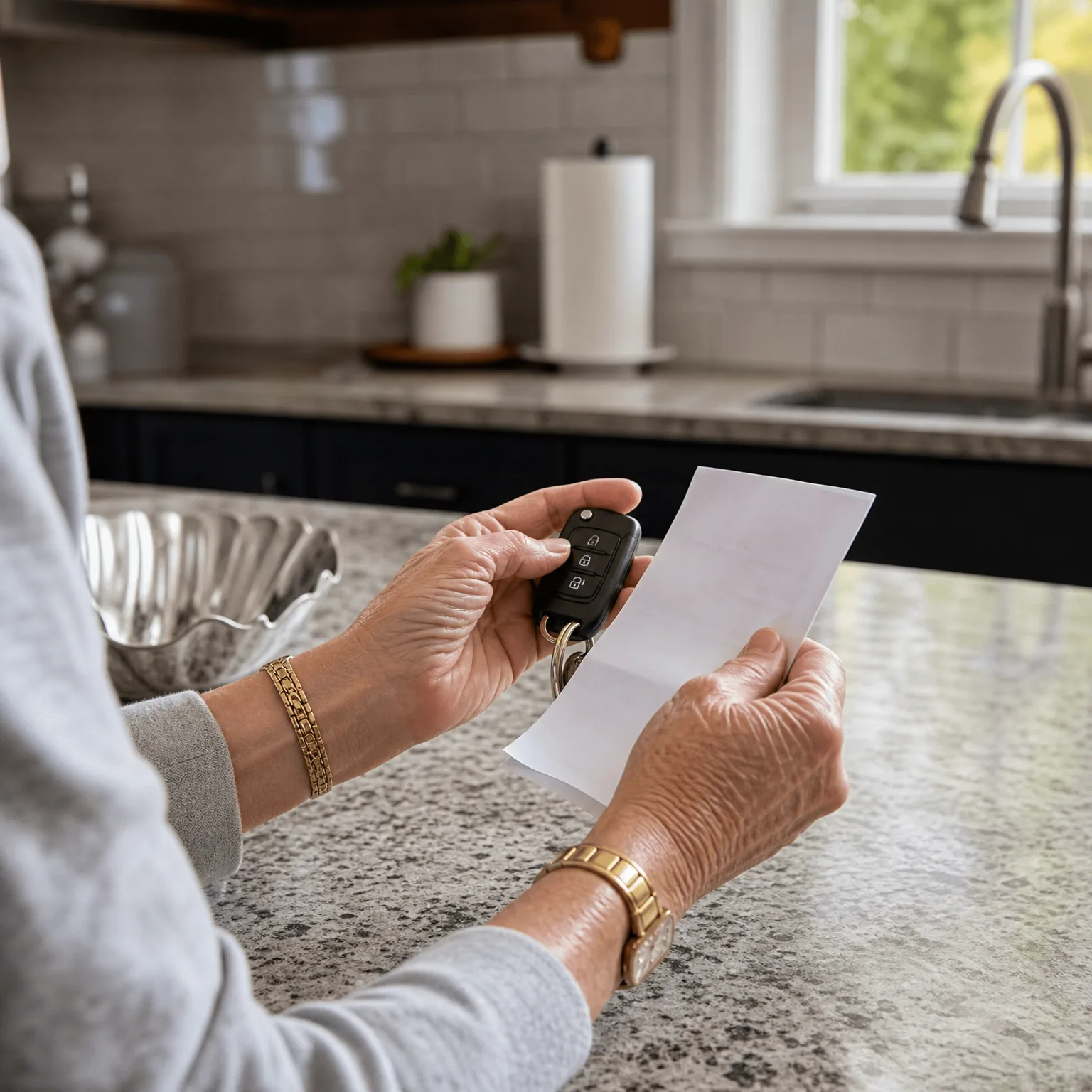
Look up what your car would sell for today, not what you paid for it or what you think it's worth. Sites that track used car sales in your area will give you a realistic number. Your insurer will use something similar to set your claim payout, so this is the number that matters.
If that value is low, think about what collision coverage would actually pay you if the car were totaled tomorrow. Compare that payout to what you've paid in collision premiums over the past year or two. If the premium is close to or more than the likely payout, the coverage isn't doing much for you financially.
If you could not afford to replace the car out of pocket, that changes the calculation even if the car's value is modest. Collision coverage isn't just about whether the payout is large. It's about whether you'd be stuck without a car at all if you lost it in an accident.
What you could afford to lose
Some drivers drop collision coverage on an old car because they've decided they could cover a replacement themselves if they had to. That's a reasonable decision if it's true. It's a different decision if dropping the coverage just means you'd be without a car and without the money to fix that.
Your deductible matters here too. If your deductible is high relative to the car's value, you may already be covering most losses yourself. In some cases the coverage only pays out in the worst scenarios, which narrows how useful it really is.
Check whether your car loan or lease requires collision coverage. If the car is paid off, that requirement disappears and the choice becomes yours. If there's still a loan on it, your lender likely requires the coverage regardless of the car's age, and that isn't something you can opt out of.
Questions people ask about this
How do I find out what my car is worth for insurance purposes?
Ask your insurer directly what value they'd use to settle a total loss claim on your car. They typically base this on recent sales of similar cars in your area, not on a fixed depreciation schedule. You can also check used car valuation sites yourself to get a sense of the range before you call.
Should I drop comprehensive coverage too if I drop collision?
Not necessarily. Comprehensive covers things like theft, fire, and weather damage, and it's often priced lower than collision because those events are less common. Some drivers keep comprehensive while dropping collision on an older car. Decide each one on its own based on cost versus payout.
Will dropping collision coverage lower my premium a lot?
It will lower your premium somewhat, but how much depends on your insurer, your driving record, and the rest of your coverage. Ask your insurer for a quote with and without collision so you can see the actual difference for your policy rather than guessing.
Can I add collision coverage back later if I change my mind?
In most cases yes, you can add it back at your next renewal or sometimes mid-term. Ask your insurer whether there's a waiting period or an inspection required before they'll add it, since some insurers want to confirm the car's condition first.
Does the car's safety record affect whether collision coverage is worth it?
It can affect the premium itself, since insurers price collision coverage partly on repair costs and claim history for that make and model. It doesn't change the basic math of comparing the car's value to what you're paying, which is still the main thing to look at.
See what dropping or keeping collision coverage would actually cost you from insurers who cover your car.
Look up your car's current market value this week using a used car valuation site, and have that number ready. Call your insurer and ask what they'd pay out for a total loss on your car today, then ask what you're currently paying for collision coverage over a year. Compare the two numbers directly. If there's still a loan on the car, check your loan agreement for a coverage requirement before you make any changes. If you decide to drop the coverage, ask your insurer to confirm in writing what's changed on your policy.