Liability Only Car Insurance for Seniors in Pennsylvania
Pennsylvania does not stop you from buying liability-only coverage at any age, but whether it's a smart choice depends on your car and your driving record.
Yes, age alone doesn't limit it
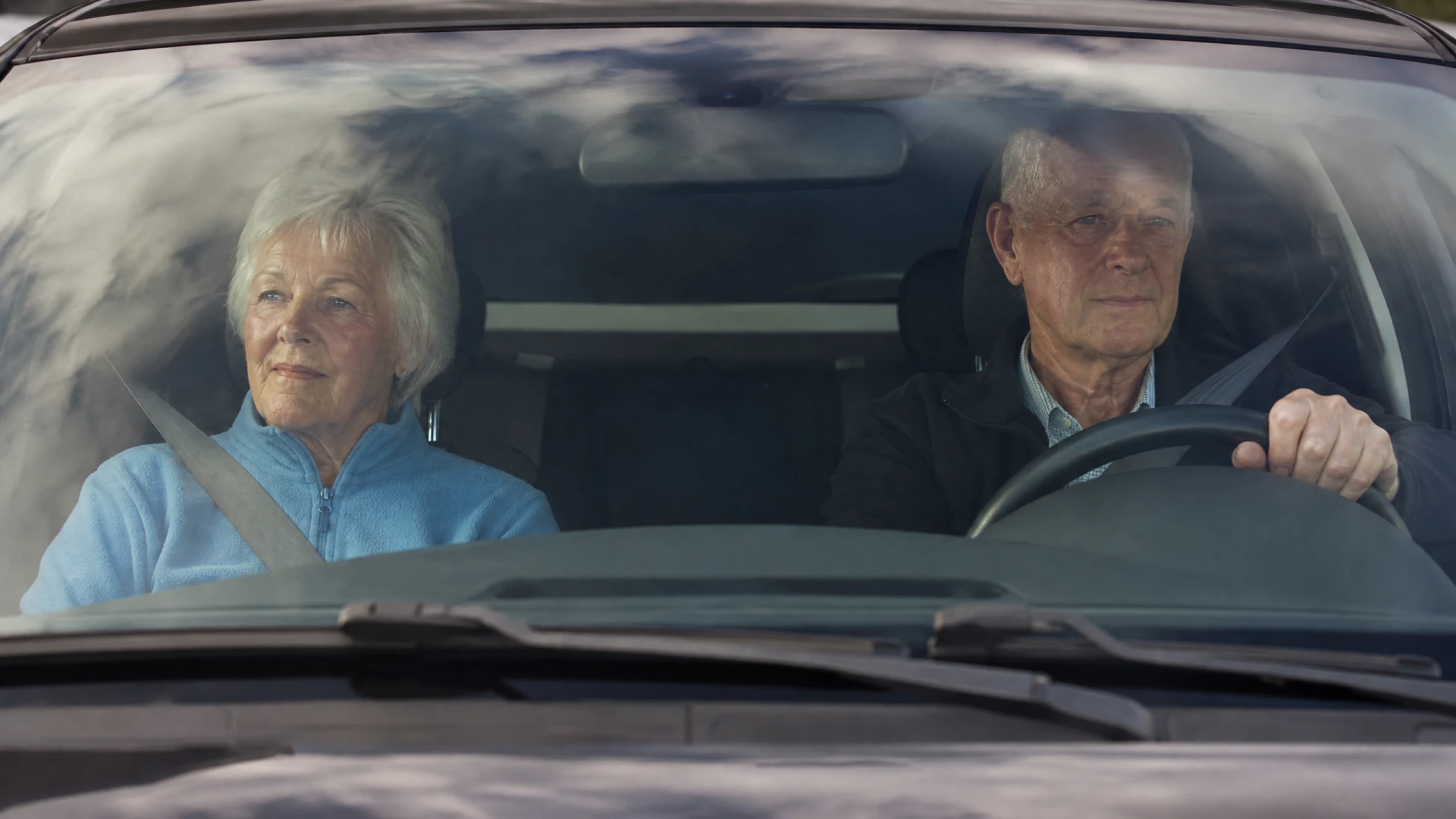
Any driver in Pennsylvania can choose liability-only coverage, including older drivers. Insurers don't cap this coverage by age. The state requires liability coverage on every registered vehicle, and liability-only simply means you've dropped the optional collision and comprehensive coverage on top of it.
What actually decides whether it makes sense is your car's value and how much you'd lose if it were totaled or stolen. A paid-off car worth little makes liability-only a reasonable choice for a lot of older drivers. A newer or financed car usually still needs collision and comprehensive, regardless of the driver's age.
Your car's value matters more than your age
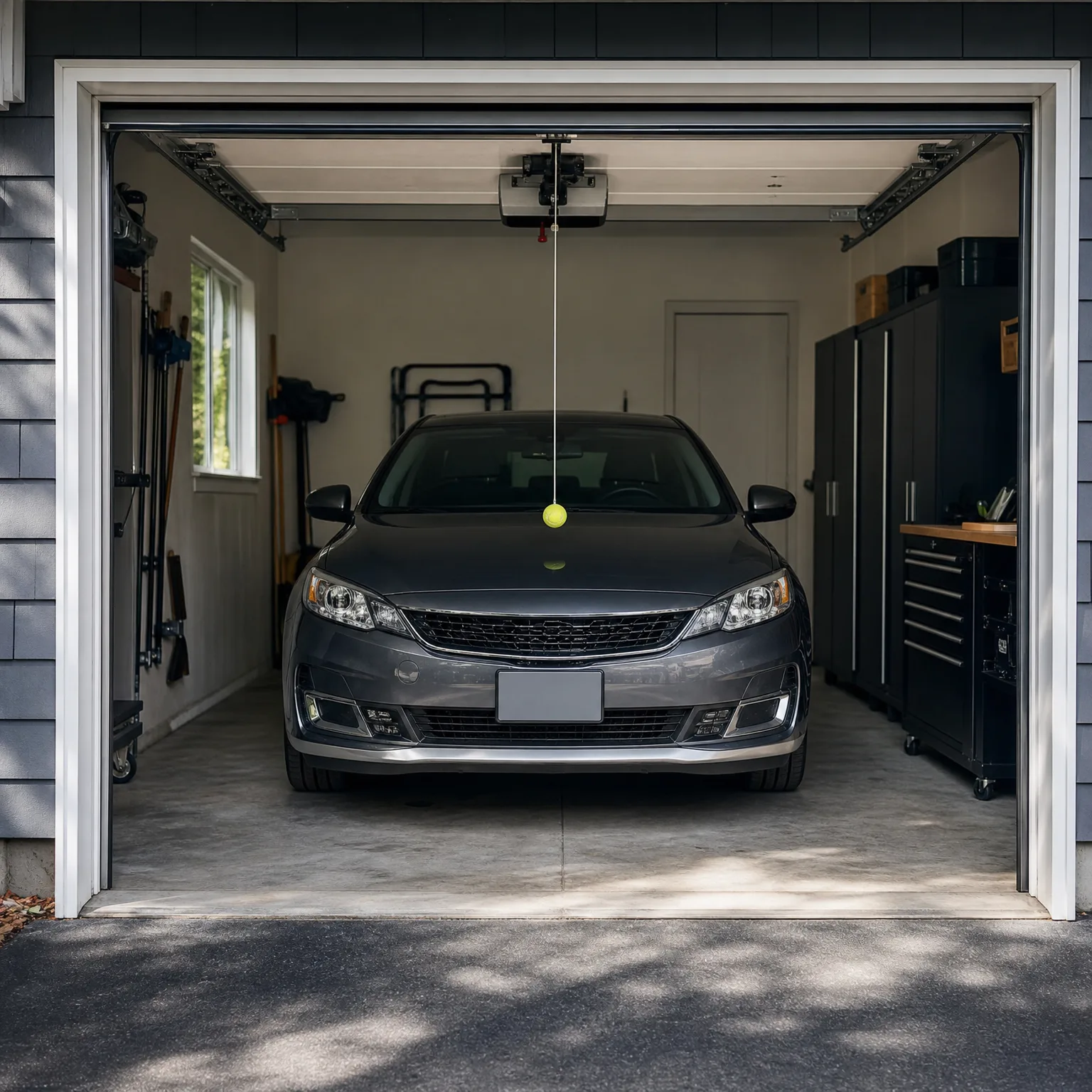
Collision and comprehensive coverage exist to pay for damage to your own car. If your car is older and worth little, that payout would be small too, so the premium you're paying for that coverage can end up being money spent to protect very little value.
Check your car's current market value, not what you paid for it years ago. A few sites estimate this using your car's year, mileage and condition. If the value is low enough that the payout wouldn't cover much, liability-only starts to make financial sense.
If your car is financed or leased, the lender almost always requires full coverage as a condition of the loan or lease. That requirement doesn't go away because you're an older driver. Check your loan or lease agreement before you consider dropping anything.
If something happens to a low-value car and you're left without one, think about whether you could replace it without that insurance payout. For some seniors that's not a problem. For others it would be a real setback.
Your driving record changes what you pay for it
Liability-only coverage still has to be priced by the insurer, and your driving record is one of the biggest things they look at. A clean record over many years usually works in your favor, regardless of age.
Some insurers also look harder at recent history than at age itself. A ticket or an at-fault accident in the last few years can raise your rate more than turning another year older does. If you've had a recent incident, ask your insurer directly how it's affecting your premium.
Many states, including Pennsylvania, allow insurers to offer a discount for completing an approved defensive driving or mature driver course. This isn't automatic. You typically have to complete the course and then send the certificate to your insurer yourself. Ask your insurer whether they recognize this discount and what course provider they accept.
If your vision or any medical condition has come up at a license renewal, that's a separate matter from your insurance rate, but it's worth asking your agent whether your insurer asks about it at all. Not all of them do.
Questions people ask about this
Can my insurer drop me for being too old?
Insurers in Pennsylvania can decline to renew a policy for reasons tied to risk, but age by itself usually isn't listed as a standalone reason in most policies. If you get a non-renewal notice, ask the insurer in writing what specific reason they gave, since state rules on non-renewal notices vary and your agent or the Pennsylvania Insurance Department can tell you what's required.
Does liability-only cover a windshield crack or hitting a deer?
No. Liability-only pays for damage you cause to someone else's car or property, not your own. Windshield damage and animal collisions fall under comprehensive coverage, so if you've dropped comprehensive, those repairs would come out of your own pocket.
Will switching to liability-only lower my rate right away?
Usually yes, since you're removing two coverages from the policy, but ask your insurer for the exact new premium before you make the change rather than estimating it yourself. Some insurers bundle discounts in ways that make the savings smaller than expected.
What happens if I total my car with only liability coverage?
Your insurer pays for damage to the other driver's car and any injuries you caused, but nothing toward replacing your own car. You'd need to cover that cost yourself, which is the main tradeoff to weigh against the lower premium.
Does Pennsylvania require any extra coverage for older drivers specifically?
No. Pennsylvania's minimum coverage requirements apply the same way regardless of the driver's age. Any extra coverage decisions, including whether to keep collision and comprehensive, are a personal choice based on your car and finances, not a state requirement tied to age.
See what liability-only would actually cost you before you decide to drop anything.
Pull up your car's current market value and your most recent renewal notice so you can see exactly what you're paying for collision and comprehensive right now. Call your insurer or agent and ask them directly what your premium would be with liability-only coverage, and whether you qualify for any mature driver discount. If your car is financed or leased, check that agreement first, since the lender may require full coverage regardless of what you'd prefer. Compare the liability-only quote against what you'd lose if your car were totaled and you had no payout toward a replacement. If the numbers make sense for your situation, ask your insurer what date the change would take effect.