Liability Only Car Insurance for Seniors in Indiana
Indiana lets you carry liability-only coverage at any age, but whether it's the right choice depends on what your car is worth and how your insurer treats your age and record.
Yes, liability-only is available, no age limit
Indiana law doesn't set an age when you have to carry more than liability coverage, and it doesn't set an age when you're barred from it either. If your car is paid off and your insurer offers the coverage, you can buy liability-only at any age.
What changes as you get older isn't whether you qualify. It's whether liability-only still makes sense for your situation, and what your insurer charges for it. Some insurers adjust rates based on age and driving record, and a few may ask about vision or health if you're renewing after a long gap. None of that removes your right to choose liability-only. It just affects the price you're quoted.

What your car is worth
Liability-only pays for damage and injuries you cause to someone else. It doesn't pay to repair or replace your own car. That tradeoff matters more once a car is older or paid off, which is common for a lot of senior drivers.
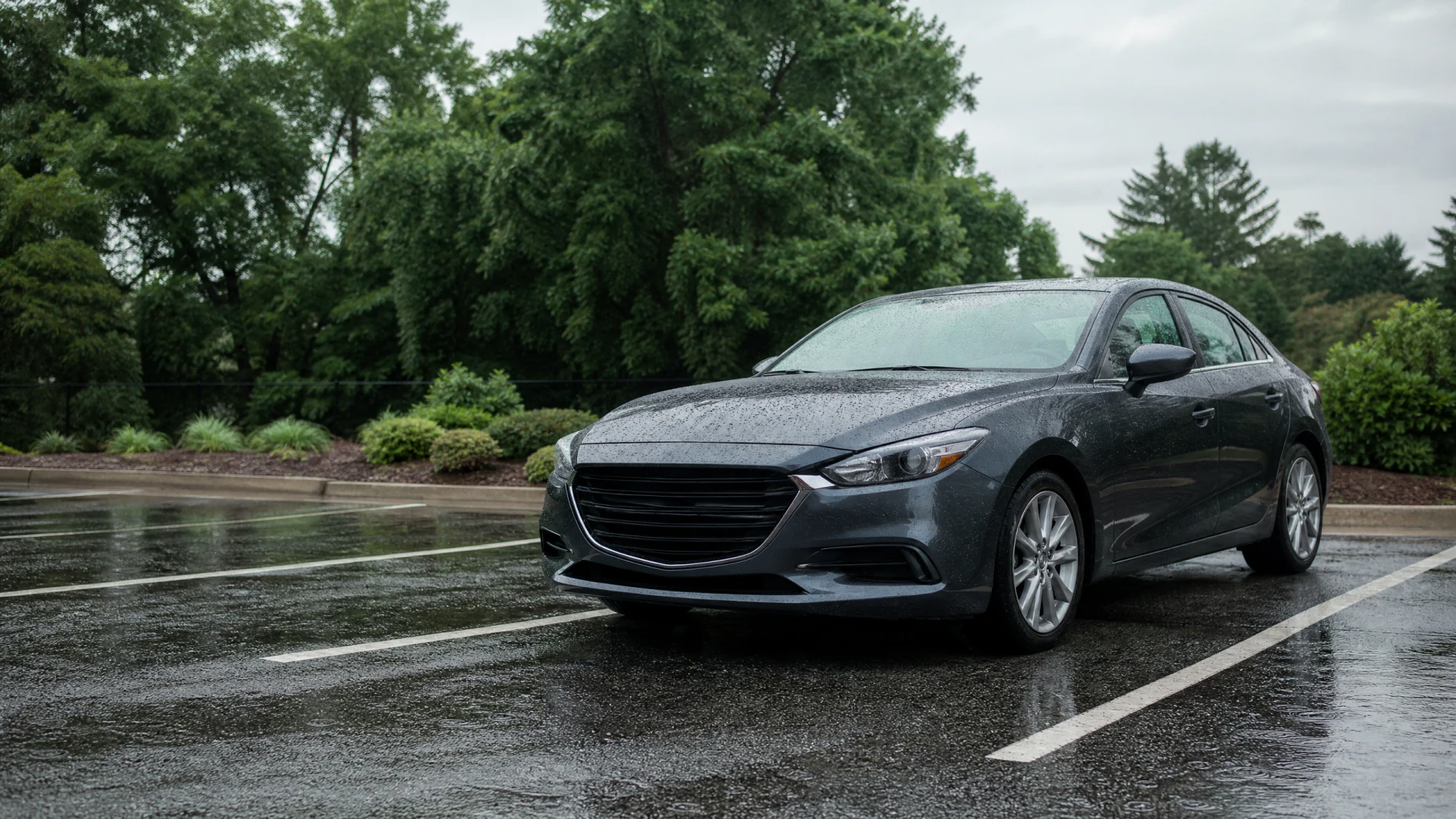
If your car wouldn't cost much to replace, liability-only often makes sense. You're not paying for collision or comprehensive coverage on a car that isn't worth much. If you still owe money on the car, or if replacing it would be a real financial hit, that's a different calculation.
Check what your car is actually worth before you decide. A quick look at recent sale prices for the same make, model, and year gives you a better number than guessing.
Indiana does require you to carry at least the state's minimum liability coverage no matter what car you drive. Liability-only means you're carrying that minimum, or close to it, and skipping the coverage that protects your own vehicle.

How your driving record and renewal history affect the price
A clean driving record over many years usually works in your favor. Insurers price risk based on your history, and a long stretch without accidents or claims is the clearest evidence you can offer.
What trips people up is assuming the price stays the same once they switch to liability-only. It often drops, since you're no longer paying for collision or comprehensive, but how much it drops depends on your insurer and your state-specific rating factors.
If you've taken a defensive driving course, ask your insurer whether it qualifies for a discount in Indiana. Not every insurer offers one, and the ones that do usually require you to send in the certificate yourself.
If your insurer has flagged your policy for a review based on age, ask directly what triggered it and what you can do to address it. Don't assume the reason without asking.
Questions people ask about this
Does Indiana require a vision test to renew a license for older drivers?
That's set by the Indiana BMV, not your insurer, and the requirement can depend on your age and renewal cycle. Check directly with the BMV for the current rule rather than assuming based on what another state does. Your insurer may ask about vision separately if you report a condition that affects your driving.
Will dropping collision coverage lower my car insurance payment right away?
Usually, yes, since collision coverage is often one of the larger pieces of a full-coverage premium. The exact change depends on your car, your driving record, and your insurer's pricing. Ask for a side-by-side quote showing your policy with and without collision so you can see the real difference before you decide.
Can my insurer cancel my policy because of my age alone?
No single rule in Indiana allows an insurer to cancel a policy based on age by itself. Insurers can decline to renew or adjust pricing based on factors like driving record, claims history, or a change in risk. If you get a non-renewal notice, ask your insurer directly what prompted it.
What happens if I cause an accident and only have liability coverage?
Liability coverage pays for the other driver's damage and injuries up to your policy limits. It won't pay to repair or replace your own car. If the cost of fixing your car would be a hardship, that's worth weighing against what you'd save by not carrying collision or comprehensive.
Should I keep full coverage until my car is paid off?
Many lenders require full coverage as a condition of the loan, so you may not have a choice until the car is paid off. Check your loan agreement or ask your lender directly what coverage they require. Once the loan is paid off, the decision is yours and depends on what the car is worth to you.
See what liability-only coverage would actually cost you before you decide to switch.

Pull your current policy and find the line that shows what you're paying for collision and comprehensive coverage separately from liability. Look up what your car would sell for right now, not what you paid for it. Call your insurer and ask for a quote with liability-only coverage so you can compare it side by side with what you have. If you've taken a driving course recently, ask whether Indiana requires you to send in the certificate yourself to get credit for it. If you get a renewal notice with a price change, ask what specifically changed before you assume it's about your age.