Should I Go with Liability or Full Coverage
The right answer depends on what your car is worth and what you'd do if you lost it tomorrow.
It depends on your car's value, not your age
Liability only covers damage you cause to someone else. Full coverage adds protection for your own car, whether another driver hits you, you hit something, or the car is stolen or damaged in a storm. If your car is worth very little, the cost of full coverage can outrun what the insurer would ever pay you for it, and liability alone may be the better deal. If your car is worth a meaningful amount, or you couldn't easily replace it, full coverage protects money you'd otherwise have to find yourself.
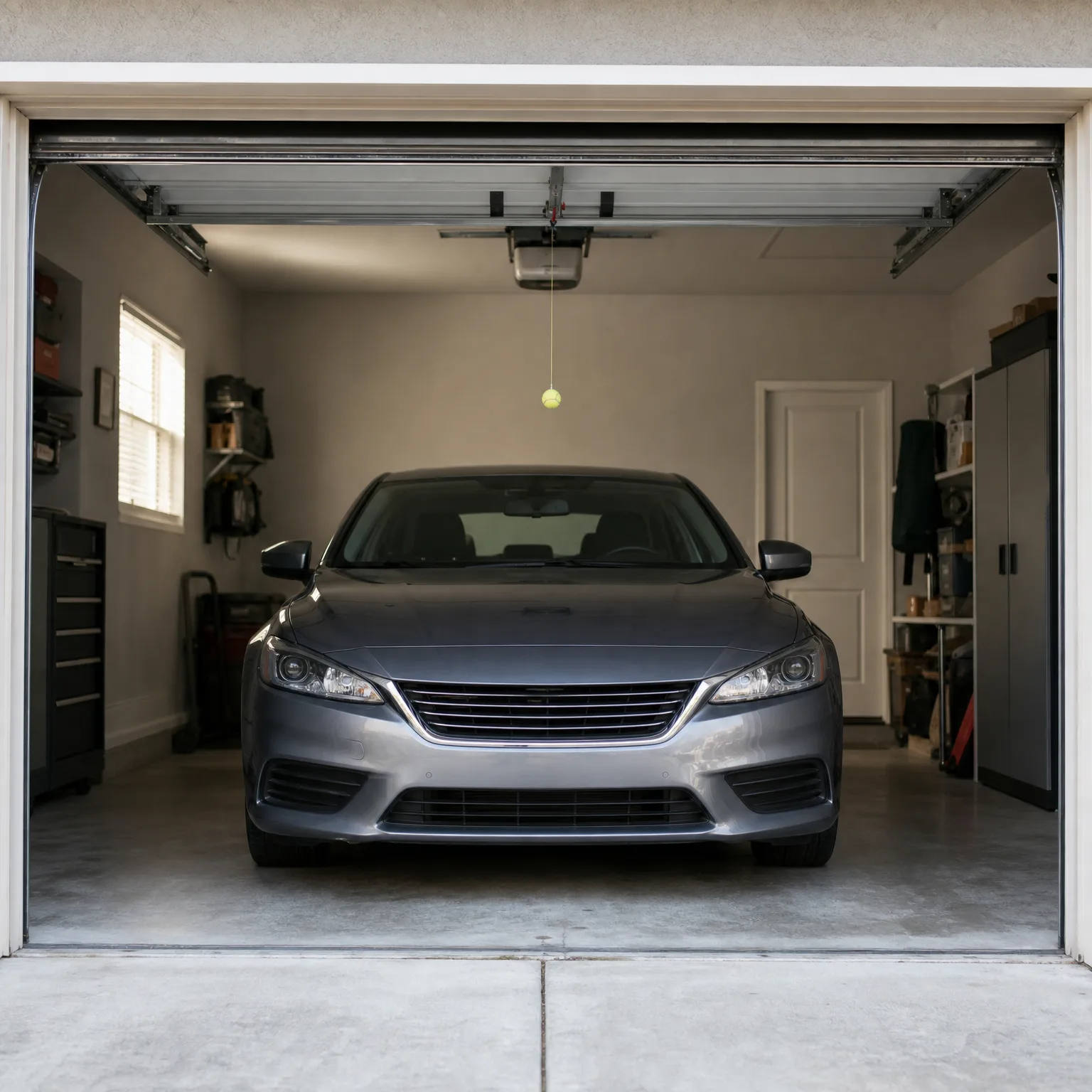
This isn't really about being 65 or 75. It's about what's sitting in your driveway and what you have set aside if something happens to it. A driver with an older paid off car in good shape faces a different math than a driver with a car they're still financing or one they'd struggle to replace.

What your car is worth right now
Look up what your car would actually sell for today, not what you paid for it or what you think it's worth. This is the number that matters, because it caps what your insurer would pay out under full coverage if the car were totaled or stolen.
If that number is low, ask your agent what you're paying specifically for the collision and comprehensive parts of your policy, separate from liability. Compare that to the car's value. If a year or two of that extra premium adds up to a large share of what the car is worth, you're paying a lot to insure a small payout.
If the car is newer, still financed, or worth more than you'd want to replace out of pocket, that math runs the other way. The premium is small next to what you'd lose without the coverage.
A lender will usually require full coverage anyway if you still owe money on the car. Once it's paid off, the decision is yours to make.
What you can afford to lose
Full coverage exists for the moment something goes wrong with your own car, not someone else's. Before dropping it, think about whether you have the money on hand to replace your car outright if it were stolen or totaled next month.
Some drivers keep savings set aside for exactly this and are comfortable self-insuring the car itself. Others would be in real trouble without the payout. There's no wrong answer here, but it should be a decision you make on purpose rather than one that happens because a renewal notice went up and nobody looked closely.
It also helps to ask what your deductible would be under full coverage. A high deductible means you're still paying a large chunk out of pocket even with the coverage in place, which changes how much the extra premium is actually buying you.
If you drive less than you used to, that's worth mentioning to your insurer too. Some companies adjust rates for lower mileage, and it's a fair question to ask regardless of which coverage you choose.
Questions people ask about this
Can I switch from full coverage to liability only mid policy?
Usually yes, but it depends on your insurer's rules and whether you still owe money on the car. Call your agent and ask directly rather than assuming. If you're financing or leasing the car, check your loan agreement first, since many lenders require full coverage for as long as the loan is active.
Does dropping full coverage lower my premium a lot or a little?
That depends entirely on your car, your driving record, and your insurer, so there's no general answer. Ask your agent for a side by side quote showing your premium with and without collision and comprehensive coverage, so you're comparing real numbers for your policy rather than guessing.
What happens if I have liability only and my car is totaled by a storm?
Liability only does not pay to repair or replace your own car under those circumstances. Comprehensive coverage, which is part of full coverage, is what pays for damage from weather, theft, and similar events. Without it, you'd cover that cost yourself.
Is full coverage required by law anywhere?
No state requires full coverage by law. States set minimum liability requirements, and full coverage is always an optional add on, though a lender can require it as a condition of financing. Check your own state's minimum liability rules if you're unsure what's required where you live.
Does my age affect whether I can get full coverage at all?
Insurers set their own underwriting rules, and this varies by company rather than by a general rule tied to age. If you're concerned a renewal might change your options, ask your agent directly what affects your eligibility for full coverage with that insurer.
See what liability only and full coverage would actually cost for your car before you decide.

Pull up your car's current market value this week, either from your insurer or a valuation site, and have it next to you when you call your agent. Ask for a quote showing liability only and full coverage side by side, including the deductible on each. Ask what you're specifically paying for collision and comprehensive, since that's the part you'd be dropping. If you're still financing the car, check your loan paperwork for a coverage requirement before you change anything. Once you have real numbers for your car, the decision is usually straightforward.