Should Seniors Drop Collision on an Older Car
It comes down to what the car is worth now, not how old you are.
Drop it when the car isn't worth much anymore
If your car is paid off and its value has dropped low, collision coverage can end up costing you more over time than it would ever pay out in a claim. That math doesn't change because of your age. It changes because of what the car is worth.
The way to check is to find out what your car would sell for today and compare that to what you pay for collision each year. If a few years of premiums add up to close to what the car is worth, you're paying a lot to protect very little.
What your car is worth right now
Collision pays out based on your car's value, not what you paid for it or what it would cost to replace with something similar. An older car can be worth far less than you'd guess, especially if it has higher mileage or some wear.
You can look up your car's value through an online pricing guide, or ask your insurer what they'd value it at in a claim. That number is the real ceiling on what collision coverage can ever do for you.
If that number is low, you're paying premiums every year for a payout that would barely cover a repair, let alone a replacement. If the car still holds real value, collision may still make sense regardless of its age.
This is worth checking every year or two, since a car's value keeps dropping even after you've decided to keep the coverage.
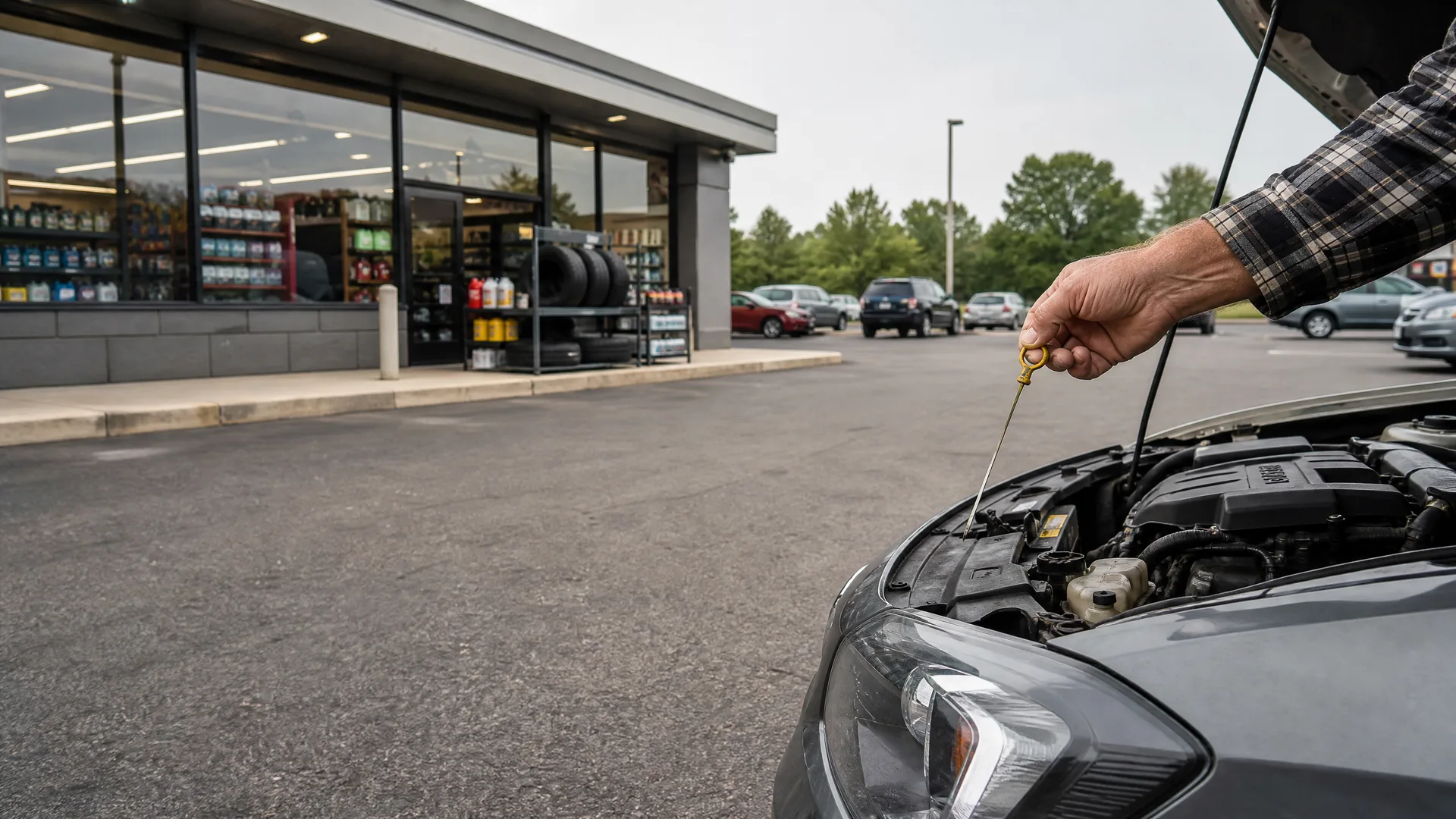
Whether you could cover a replacement yourself
Collision exists so a crash doesn't leave you paying out of pocket for a new car. The real question is whether you could handle that cost on your own if you dropped the coverage.
If losing the car tomorrow wouldn't be a financial problem, carrying collision on a low-value car is mostly just an extra cost. If replacing it would be hard to manage, the coverage is still doing its job no matter what the car is worth.
Some drivers keep collision on an older car simply because they rely on it daily and don't want the hassle of being without one while they shop for another. That's a reasonable reason to keep it even if the math on value alone points the other way.
There's no rule that says you have to choose all or nothing. You can also raise your deductible instead of dropping collision entirely, which lowers the premium while keeping some protection in place.
Questions people ask about this
what happens if I drop collision and someone hits my car?
If the other driver is at fault, their liability coverage should pay for your damage, so dropping collision doesn't leave you unprotected in that case. The risk is damage from your own fault, a pothole, an animal, or anything else where there's no other driver to pay. Check your state's rules on uninsured motorist coverage too, since that can matter if the other driver has no insurance.
should I drop comprehensive too or just collision?
These are separate coverages and the decision doesn't have to be the same for both. Comprehensive covers things like theft, weather, and animal strikes, and it's often cheaper than collision, so the math can favor keeping it even on a lower-value car. Look at what each one costs separately before deciding to drop both.
does my insurer require collision if my car is paid off?
No insurer requires collision just because you own the car outright. Collision is usually required by a lender while you're financing or leasing, and once the loan is paid off that requirement goes away. After that, it's entirely your choice whether to keep it.
will dropping collision lower my premium a lot?
It depends on your car, your driving record, and your insurer, since collision is often a significant piece of the total premium on an older car. Ask your insurer for a quote with and without collision so you can see the real difference for your policy instead of guessing.
can I add collision back later if I change my mind?
Yes, you can generally add it back at your next renewal or sooner by contacting your insurer. Your insurer may ask about the car's condition at that point, so keep in mind you'll be adding coverage for whatever state the car is in when you ask, not when you dropped it.
See what dropping or keeping collision would actually do to your premium.
Look up your car's current value through a pricing guide before you decide anything. Then call your insurer and ask for your premium quoted both with and without collision, so you can see the real dollar difference rather than guessing at it. Compare that difference against what the car is worth and what it would cost you to replace it. If you're unsure about dropping comprehensive as well, ask for that broken out separately. Do this at renewal time so any change takes effect cleanly.