When Should You Stop Having Collision Insurance
Drop collision when your car is worth little enough that paying for repairs yourself makes more sense than paying to insure it.
It comes down to what the car is worth, not how old you are
Drop collision insurance when your car's value drops low enough that the payout, if it were totaled, would be close to what you're already paying in premiums over a year or two. There's no age or date tied to this. It's a comparison between what the coverage costs you and what it could ever pay out.
Some drivers reach that point at ten years in. Others keep a well-maintained car worth more for much longer and keep the coverage with it. The car's value is what moves this decision, not the driver's birthday.
What your car is worth right now
Look up your car's actual cash value, not what you paid for it or what you think it's worth. Insurers use this number, not sentiment or the price on the window sticker, to decide what they'd pay you if it were totaled.
If that value is low, your maximum payout is low too, no matter how much you're paying in premiums. At some point the premium you'd pay over the next few years adds up to more than the car would ever be worth. That's the moment to drop it.
If you still owe money on the car, your lender almost certainly requires collision coverage until the loan is paid off. Check your loan agreement before you consider dropping anything. Once it's paid off, the choice is yours.
If you could comfortably pay for a new car, or fix a badly damaged one, out of your own savings, the insurance is protecting money you don't need protected.
What you can afford to lose
This isn't only about the car's value. It's also about what losing it would mean for you. If replacing the car yourself, in cash, right now, would strain your finances, the coverage is still doing a job for you even if the car isn't worth much.
Think about how you'd get around without it, and how fast. If a totaled car would mean you're without transportation for weeks while you save or shop for another one, that's a real cost collision coverage is covering, separate from the car's dollar value.
Also check your deductible. If your deductible is high relative to the car's value, collision coverage may already be paying out very little in a real claim. That gap is worth knowing before you decide either way.
Questions people ask about this
How do I find out what my car is worth for insurance purposes?
Your insurer or agent can tell you the actual cash value they'd use for a claim. You can also check used car valuation sites, but your insurer's number is the one that matters for this decision. Ask them directly rather than assuming.
Can I drop collision but keep comprehensive coverage?
Yes, these are separate coverages and you can carry one without the other. Comprehensive covers things like theft, fire, and weather damage, while collision covers crashes. Many drivers drop collision first since repair costs from a crash tend to be higher than most comprehensive claims.
Will dropping collision lower my premium by much?
It depends on your insurer, your car, and your driving record, so ask your agent for the exact difference before deciding. Collision is often a significant piece of the premium on an older car, but the only way to know your number is to ask.
What happens if I total my car with no collision coverage?
You pay for a replacement or repair yourself, since collision is what pays for damage to your own car in an accident you caused. Liability coverage, which you're required to carry, only pays for damage you cause to others.
Should I drop collision if I'm still making loan payments?
Check your loan agreement first, since most lenders require collision and comprehensive coverage until the loan is paid off. If you dropped it without checking, you could be in violation of your loan terms even if your insurer allows it.
See what dropping or keeping collision coverage would actually change on your premium.

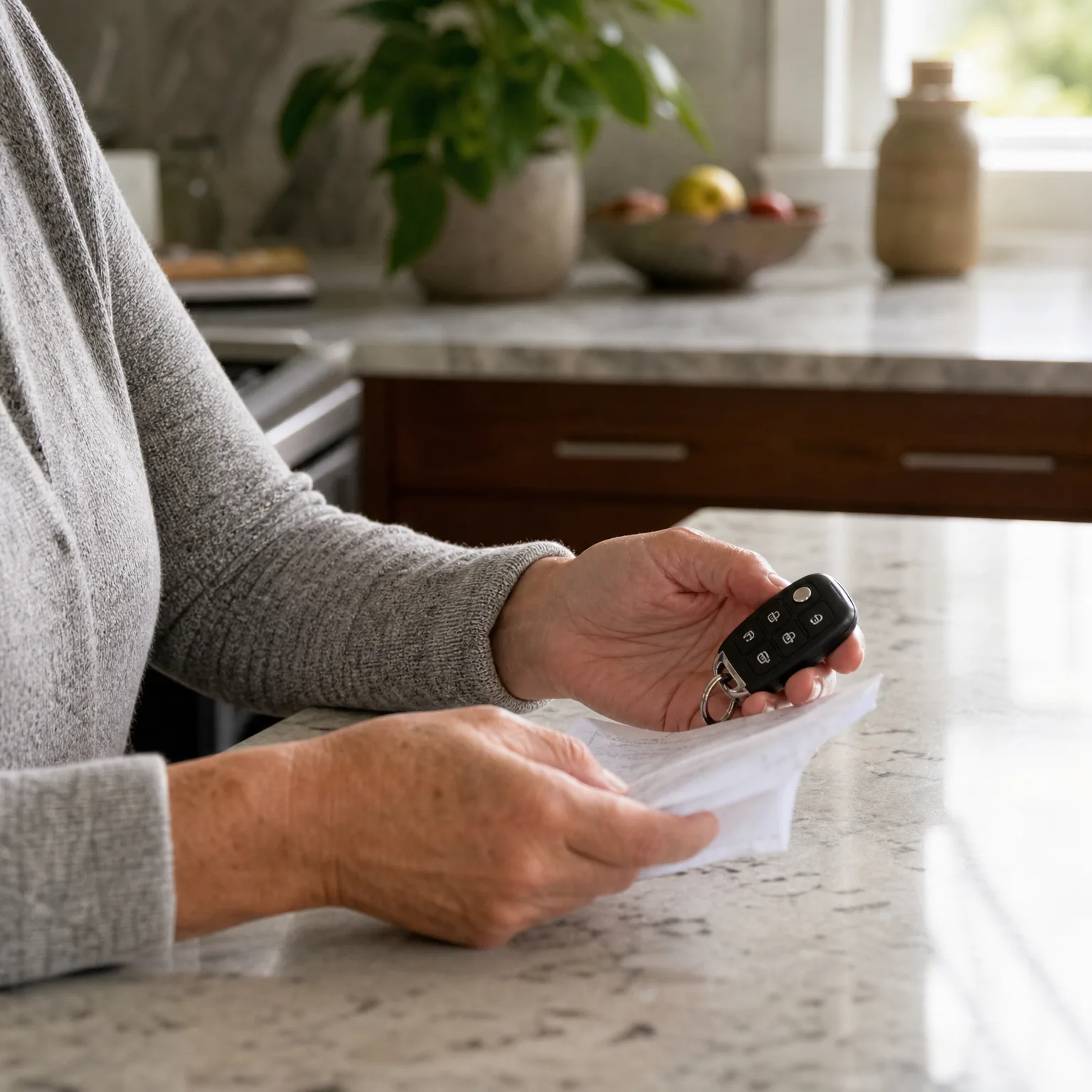
Find your car's actual cash value this week, either by asking your insurer or checking a valuation site. Pull out your last renewal notice and see exactly what you're paying for collision coverage alone. If you still have a loan on the car, check the agreement for a coverage requirement before you do anything else. Then call your agent and ask what your policy would cost with and without collision, so you're comparing real numbers instead of guessing. If the car is paid off and the premium difference is more than you'd want to spend replacing the car yourself, you have your answer.