Should You Add a Backup Camera to an Older Car
A backup camera won't change your premium, but it can help you avoid the kind of claim that would.
Yes, it's worth adding
A backup camera helps you see what mirrors miss, and that matters more as reaction time and neck mobility change with age. It won't lower what you pay for insurance by itself, because most insurers price your policy on your driving record and your car's year, make and model, not on which safety features you've added afterward.
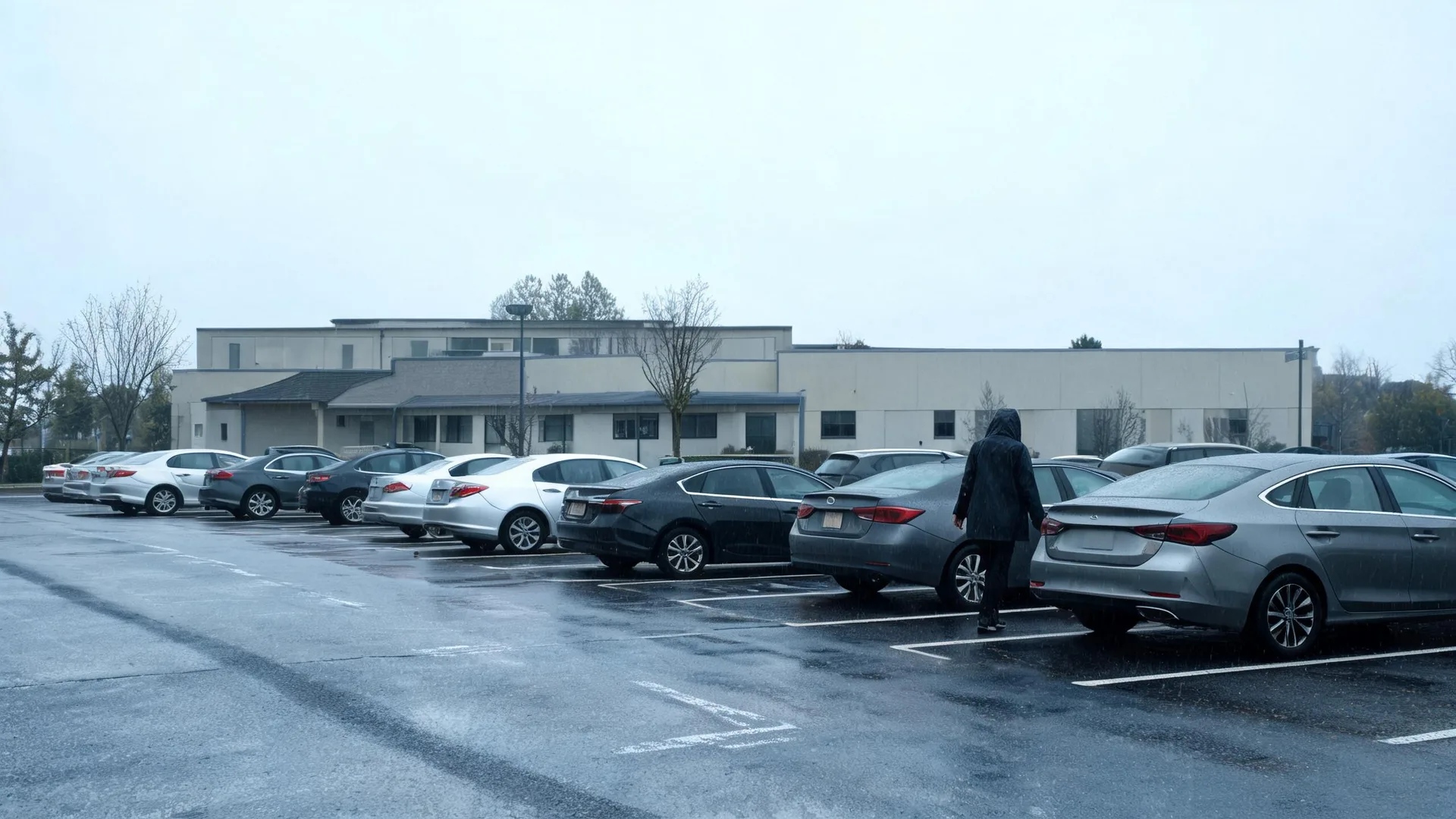
What it does is reduce the chance of the kind of low-speed accident that happens in driveways and parking lots, backing into a post, a cart, a child on a bike. Those claims are common enough that avoiding even one can matter more to your premium over time than the camera's cost.
Whether your car can take one without a new dashboard
Older cars split into two groups here. Some already have a wiring harness and a screen built into the dashboard or mirror, often left over from a factory option package you never used. For those cars, adding a camera is mostly a matter of running a cable to the bumper and connecting it.
Other older cars have no screen at all. For those, the usual fix is a standalone camera that connects to a small monitor mounted near the mirror, or in some cases a mirror that replaces your existing one and shows the camera feed when you're in reverse. These kits don't touch your car's original wiring or dashboard, which is part of why they're common for older vehicles.
Before buying anything, check what your car's trim level came with from the factory. A quick search by your make, model and year will tell you whether a built-in setup is possible or whether you need a standalone kit.
If you're not comfortable running wires yourself, a shop that installs car audio or aftermarket electronics can usually do it in an afternoon.
What people get wrong about the insurance side
The most common mistake is expecting a rate drop for adding a safety feature after the fact. Insurers set your premium mainly from your driving history, your location, and your car's make, model and year as built. A camera added later usually isn't something they ask about or adjust for, because it isn't part of how the car was rated when the policy was written.
The exception is if the camera lets you qualify for a broader discount, such as one tied to a telematics program or a bundle of safety features your insurer does track. That depends entirely on your insurer's own rules, so the only way to know is to call and ask directly what they count.
The other thing people miss is that a dash cam and a backup camera aren't the same, and some insurers have separate rules or even discounts for dash cams that record while you drive. If you're looking at a package that includes both, ask which parts, if any, actually affect your policy.
Questions people ask about this
Does a backup camera count toward an insurance discount for older drivers?
Not on its own, in most cases. Insurers that offer discounts to older drivers usually tie them to a defensive driving course or a clean record review, not to vehicle equipment added after purchase. Ask your insurer directly what their discount is based on.
Will adding a backup camera affect my car's value?
It can help slightly if the installation is clean and the car is later sold, since buyers notice working safety features. It won't be a large factor compared to the car's mileage, condition and maintenance history.
Can I install a backup camera myself?
Many standalone kits are made for home installation and come with instructions for running the camera wire to the back of the car. If your car needs wiring into the existing dashboard system, that's a better job for a shop, since a mistake there can affect other electronics.
Do backup cameras work well in rain or at night?
Most modern camera kits include night vision and are built to handle rain, but image quality varies by price and brand. Reading reviews for the specific kit, rather than assuming all cameras perform the same, is worth the time before you buy.
Is a backup camera required by law on older cars?
No. Backup camera requirements for new cars came from federal rules that apply to vehicles manufactured after a certain point, and they don't apply retroactively to cars built before that. Whether your specific car was required to have one depends on its model year, which you can check with the manufacturer or a dealer.
If you're updating your car this year, it's a good time to see what else might change your rate.
Start by checking what your car's trim level came with from the factory, so you know whether you need a full kit or just a camera and cable. If you want to know whether it affects your policy at all, call your insurer and ask specifically what equipment they track for discounts. Keep any installation receipt in case you sell the car later, since a documented, professionally installed camera can be a small point in your favor. If you're already shopping for a new policy or your renewal is coming up, mention any safety features you've added, even if you expect the answer to be no effect, so it's on record either way.