Uninsured Motorist Coverage for Seniors in Kentucky
Kentucky requires insurers to offer uninsured motorist coverage, and most drivers, including seniors, have strong reasons to keep it rather than reject it.
Yes, and Kentucky law leans toward you having it
Kentucky requires insurers to include uninsured and underinsured motorist coverage in your policy unless you sign a form rejecting it. For a senior driver, there's rarely a good reason to sign that form. This coverage pays for your injuries and your passengers' injuries when the other driver has no insurance or not enough of it, and it doesn't ask whose fault the crash was.
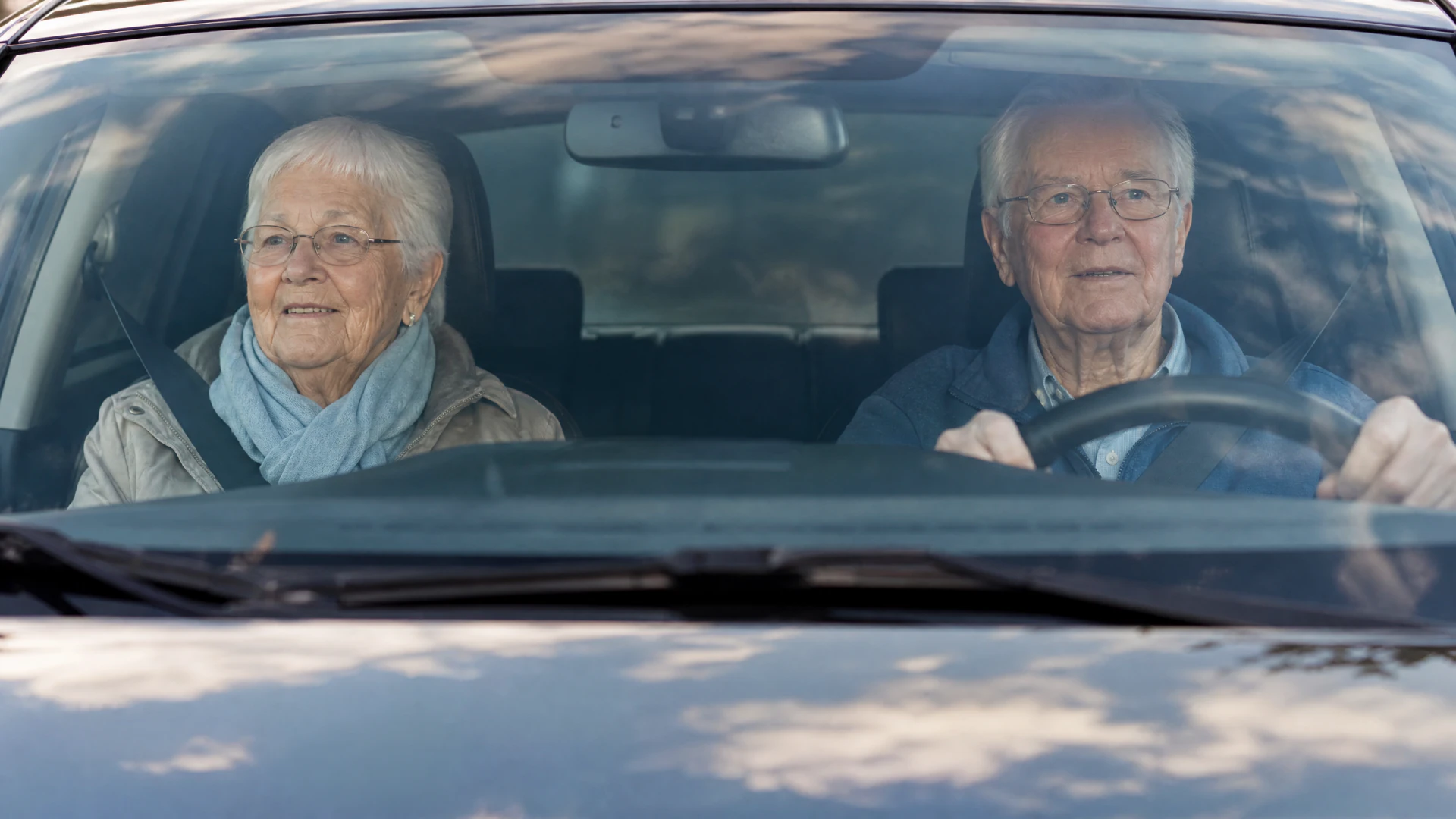
Age itself doesn't change what this coverage does or what it costs you to carry. What changes the picture is how much you'd lose without it. If a crash leaves you with medical bills and the other driver has no coverage, your own health insurance and savings are what's left to cover the gap. For someone relying on Medicare or a fixed income, that gap matters more, not less.

Your Medicare and health coverage change what you need
Medicare covers a share of medical costs after a crash, but it doesn't cover lost income, pain and suffering, or a spouse's claim for loss of your care and companionship. Uninsured motorist coverage can pay for those even after Medicare has paid its part.
If you carry a Medicare Advantage plan or a supplement, ask how it coordinates with an auto insurance claim. Some plans expect reimbursement if you later recover money from an uninsured motorist claim. That doesn't mean you should skip the coverage. It means you should know how the two interact before you need either one.
If you have little other coverage, or a high deductible on your health plan, uninsured motorist coverage becomes more important, not less, because there's less of a safety net behind it.
How much coverage to carry depends on what you're protecting
Many drivers set their uninsured motorist limits to match their liability limits and never revisit the number. For a senior with savings, a home, or retirement accounts, that number is worth a second look, since it's one of the few coverages that pays you directly when someone else is at fault and can't pay.
Kentucky also lets you add underinsured motorist coverage, which pays when the other driver has insurance but not enough to cover what the crash cost you. Given how many drivers carry only the state minimum, this gap comes up often.
If you stop driving as much, or give up your car, ask your insurer what happens to this coverage. Some policies tie it to having your own auto policy in force, so the protection can end when the policy does, even if you're still a passenger in someone else's car.
Questions people ask about this
Can I reject uninsured motorist coverage in Kentucky to lower my premium?
You can, by signing the state's rejection form, but it removes protection that pays you when an uninsured driver hits you. Ask your insurer exactly what the premium difference would be and weigh that against what you'd have to cover yourself after a crash with an uninsured driver.
Does uninsured motorist coverage in Kentucky cover me as a passenger in someone else's car?
It generally extends to you as a passenger in another vehicle, not just when you're driving your own car. Check your policy's declarations page or ask your insurer to confirm how it's written, since the exact wording varies by insurer.
What's the difference between uninsured and underinsured motorist coverage in Kentucky?
Uninsured motorist coverage applies when the at-fault driver has no insurance at all. Underinsured motorist coverage applies when they have insurance but not enough to cover your losses. Kentucky lets you carry both, and most drivers benefit from having each.
Will my uninsured motorist claim raise my rates even though I wasn't at fault?
Insurers vary in how they treat these claims, since fault isn't the only factor they weigh. Ask your own insurer directly how an uninsured motorist claim affects your renewal before you assume it will or won't.
Do I still need uninsured motorist coverage if I rarely drive anymore?
Yes, because this coverage protects you as a pedestrian or passenger too, not only while you're behind the wheel. If you're driving less, that's a reason to review your overall coverage, not necessarily a reason to drop this part of it.
See what it would cost to keep this coverage, or raise it, before you decide to sign it away.
Pull out your current policy and find the page that shows your uninsured and underinsured motorist limits. If you can't find it or don't understand what it says, call your insurer and ask them to walk through it with you. Ask specifically what happens if an uninsured driver hits you and your medical costs or lost income go beyond what Medicare or your health plan pays. If you're thinking about signing a rejection form to save money, ask for the exact premium difference in writing first. Then compare quotes from a few insurers to see whether you can get stronger protection for a similar price elsewhere.