Uninsured Motorist Property Damage vs Collision Coverage
Uninsured motorist property damage covers you when an uninsured driver hits your car, while collision covers you in almost any crash, including ones you cause.
They cover different causes of the same damage
Uninsured motorist property damage pays to repair your car when a driver without insurance, or sometimes a hit and run driver, is at fault. Collision pays to repair your car no matter who caused the crash, including a crash that was your own fault. If the other driver has insurance and is at fault, their liability coverage pays and neither of these applies.
For a driver your age, the difference usually comes down to what you already carry and what your state requires. Some states make insurers offer uninsured motorist property damage, though you can often decline it. Collision is never required by any state, but a lender will require it if you're still financing or leasing your car.
Whether you're still paying off your car
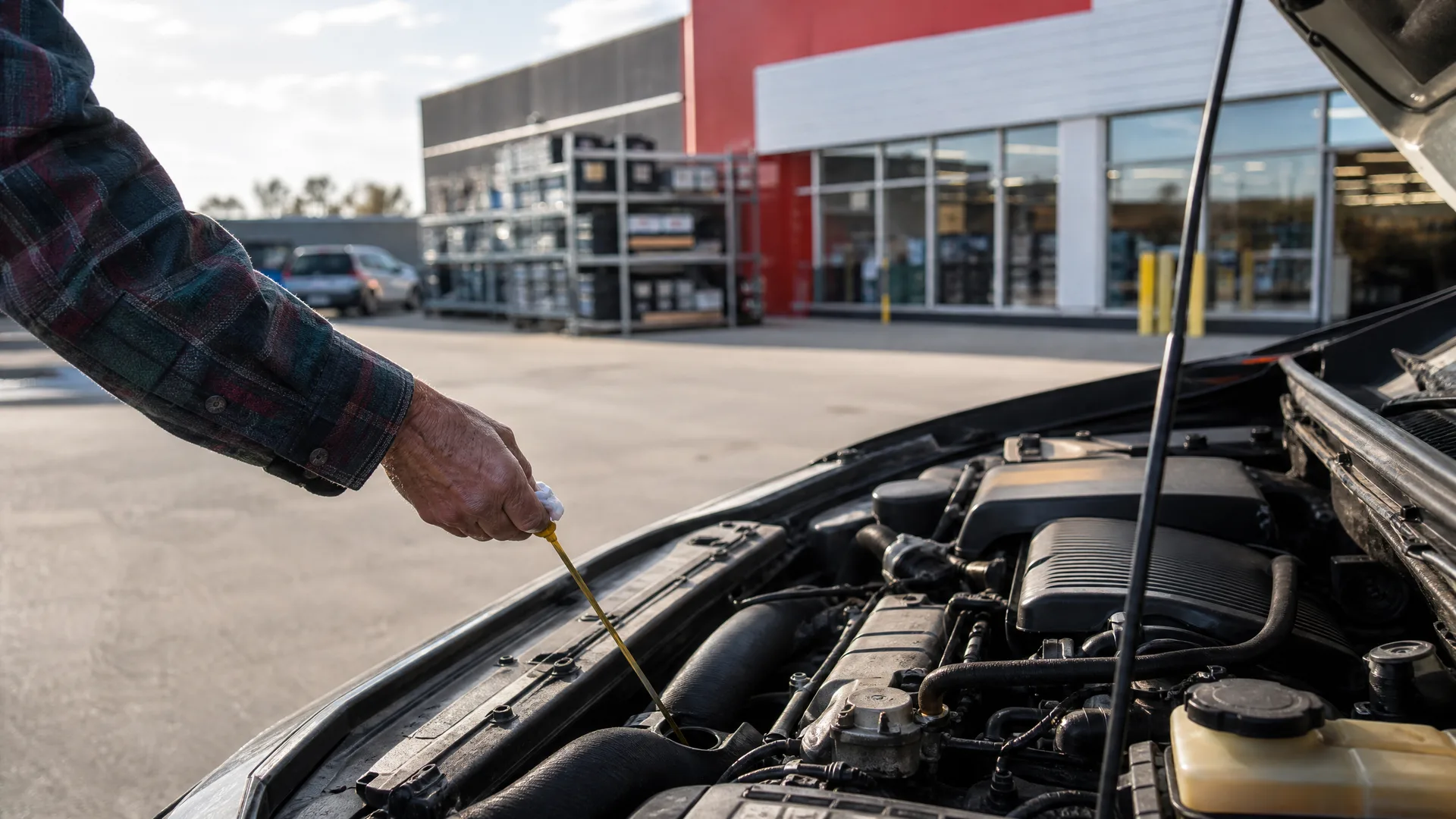
If you own your car outright, you get to choose whether collision coverage is worth the cost against what your car is worth. An older car with a low value may not be worth collision coverage at all, since a payout would be small compared to what you pay for the coverage over time.
If you're financing or leasing, your lender requires collision, so this choice isn't yours to make yet. Once the loan is paid off, ask your insurer what dropping collision would do to your premium before you decide.
Uninsured motorist property damage is usually inexpensive by comparison, since it only pays out in a narrower set of crashes. Some drivers keep it even after they drop collision, specifically because it's cheap insurance against a driver who has none.
What your state requires and what your policy already includes
Some states require insurers to offer uninsured motorist property damage, and a few require drivers to carry it unless they sign a waiver declining it. Whether you have it, and whether you can drop it, depends on your state. Check your policy declarations page or ask your insurer directly.
A common mistake is assuming collision will pay out when an uninsured driver hits you. It will, if you have collision, but you'll likely owe your deductible first. Uninsured motorist property damage often has no deductible or a smaller one, so if you have both, it's worth asking your insurer which one applies first in that situation.
Another thing people miss is that uninsured motorist property damage sometimes only applies if the uninsured driver is identified. A hit and run with no other car involved may not qualify in every state, while collision would still cover it since fault doesn't matter.
Questions people ask about this
Do I need both uninsured motorist property damage and collision?
Not necessarily, but many drivers keep both because they fill different gaps. Collision covers any at fault crash, including single car accidents, while uninsured motorist property damage can have a lower or no deductible when an uninsured driver is at fault. Ask your insurer how the two would interact on your specific policy.
Does uninsured motorist property damage cover my deductible from collision?
Sometimes, depending on your state and your insurer. In some states, uninsured motorist property damage can be used to cover the collision deductible you'd otherwise pay when an uninsured driver is at fault. This isn't universal, so ask your insurer whether your policy works this way.
What happens if an uninsured driver hits my parked car?
This is typically what uninsured motorist property damage is for, since there's no other driver's liability coverage to pay the claim. If you don't carry that coverage, you'd need collision coverage instead to have the damage paid for. Check your declarations page to see which of these you currently carry.
Can I drop collision coverage on an older car?
Yes, once the car is paid off and you no longer have a lender requiring it. Whether it makes sense depends on your car's value compared to what you're paying for the coverage, which your insurer can help you work out. If you drop collision, consider whether uninsured motorist property damage still makes sense to keep.
Does my credit or driving record affect these coverages differently?
Your driving record and other rating factors affect the cost of both coverages, but not whether they're available to you. An insurer sets pricing for each coverage separately, so a change in your record could raise one without affecting the other much. Ask your insurer for a breakdown by coverage if you want to see where a rate change is coming from.
See how different insurers price these two coverages for your car before you decide what to keep.
Pull out your current policy's declarations page and find the lines for collision and for uninsured motorist property damage, so you know what you already have. Call your insurer or agent and ask directly whether your state requires either one, and whether you've signed any waiver declining it. Ask how the two coverages would interact if an uninsured driver hit your car, specifically whether your deductible would still apply. If you're deciding whether to drop collision, ask for your car's estimated value and compare that to what you're paying for the coverage over a year. Then compare quotes from a few insurers, since the same coverages can be priced quite differently from one company to the next.