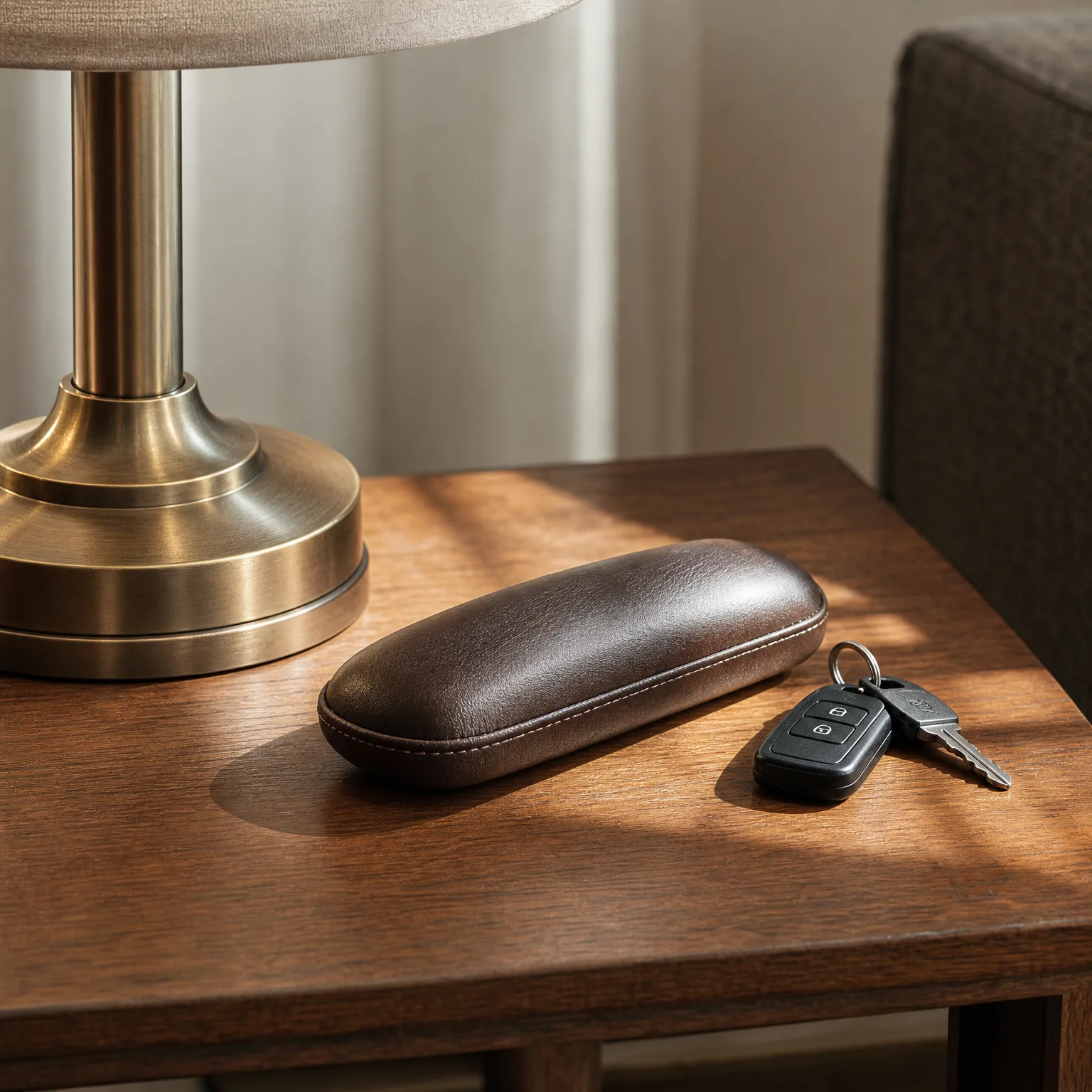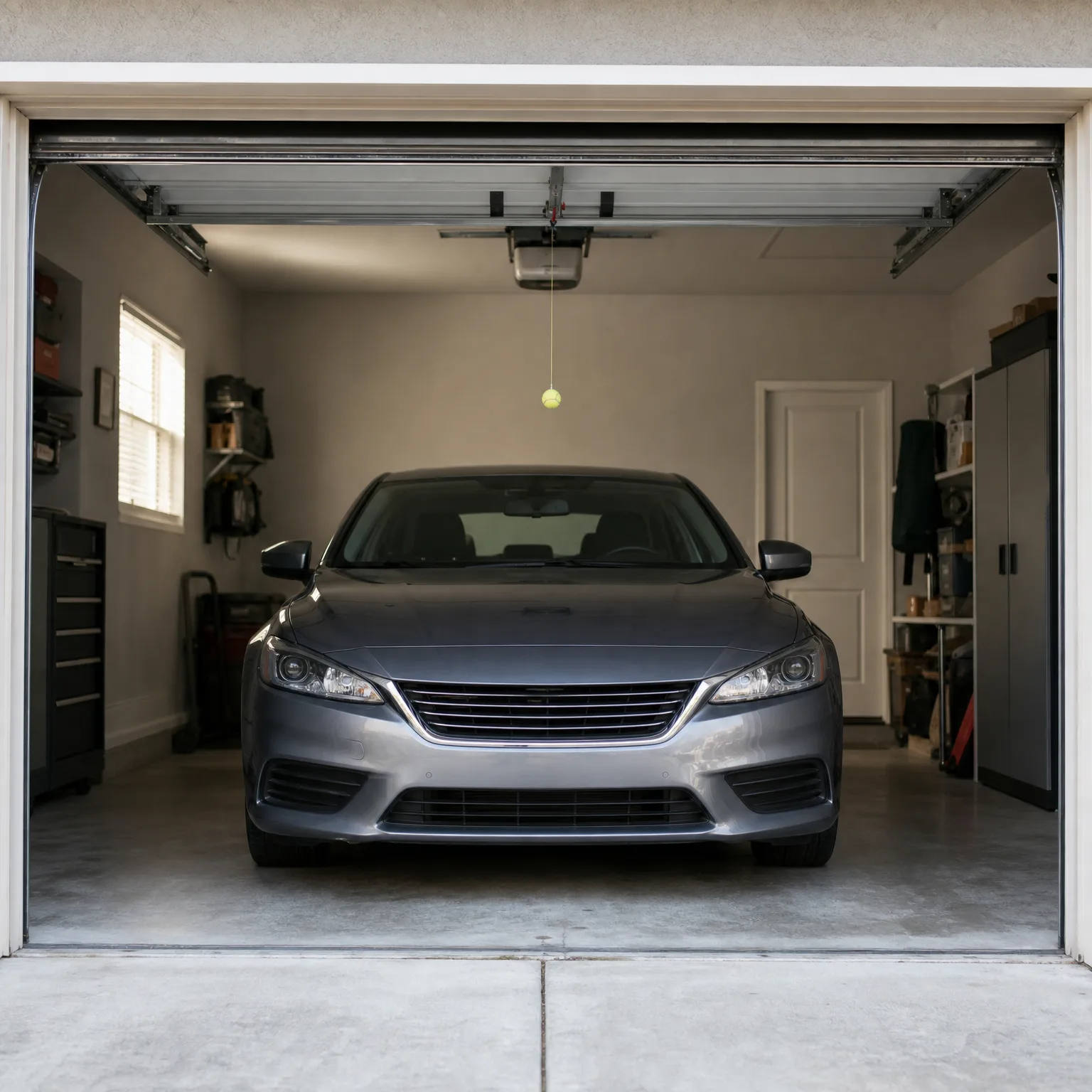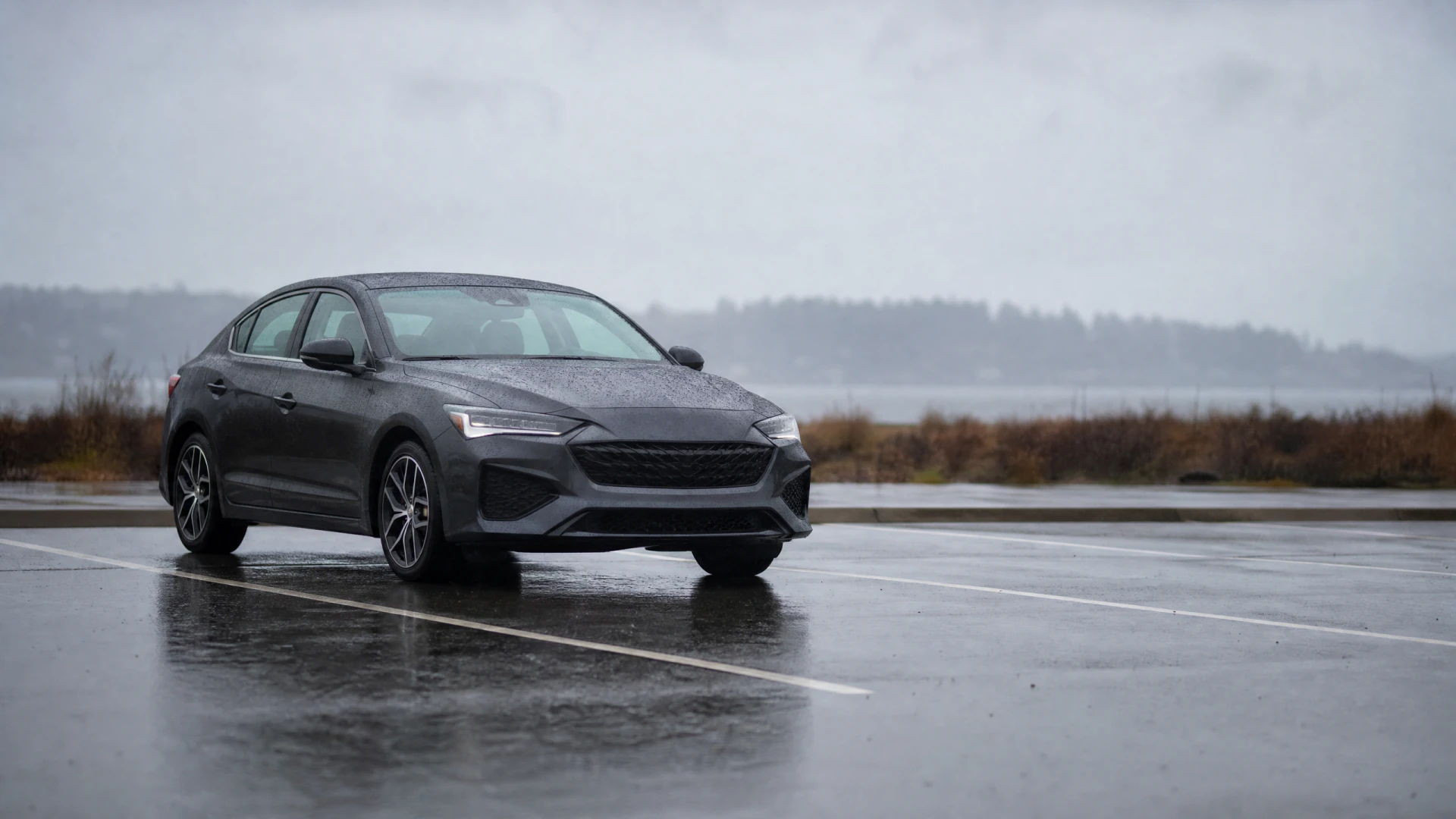
What Cannot Be Covered by Liability Insurance
Liability insurance pays for the other driver's losses, never for your own car or your own injuries.
What liability insurance leaves out
Liability insurance pays for the other person's car, their medical bills, and related costs when you're at fault. It does not pay to fix your own car, and it does not pay your own medical bills no matter who caused the crash.
That's true everywhere, because liability coverage is built around the other driver's loss, not yours. If you want your own car covered, that's a separate coverage, usually called collision or comprehensive, and you add it to the policy yourself.

What coverage you added to the policy
Your policy only pays for what's listed on it. If you bought liability alone, your own car has no coverage at all, whether the crash was your fault, someone else's, or nobody's fault, like a tree falling on it.
Collision pays for your car after a crash, regardless of fault. Comprehensive pays for things like theft, weather, or hitting an animal. Neither one comes with a liability-only policy unless you asked for it.
If your car is older or worth less, some drivers decide the extra coverage costs more than the car is worth replacing. That's a real decision to make with your insurer or agent, not something liability insurance decides for you.
Check your declarations page to see exactly what you're carrying. It will say plainly whether collision and comprehensive are included or not.
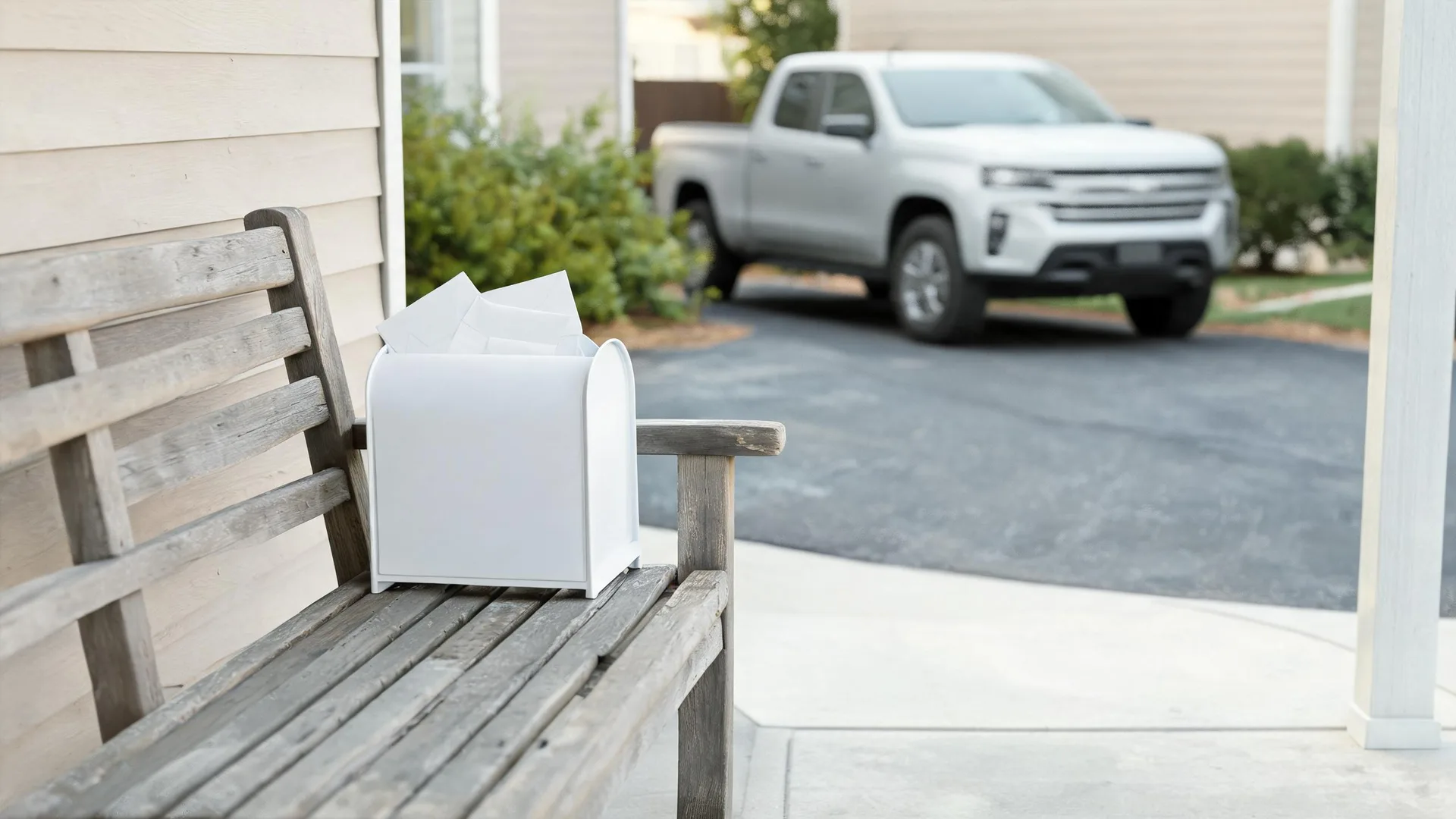
What liability covers even when you added other coverage
Liability has its own limit, separate from collision or comprehensive, and that limit caps what it pays the other driver. If the damage or medical bills go past your limit, you're responsible for the rest yourself.
Liability also won't pay for anything beyond the other party's property and injuries. It doesn't cover your lost wages, your pain and suffering, or a rental car for you. Some of those gaps are filled by other coverages, like uninsured motorist or medical payments coverage, if you carry them.
Ask your insurer what your liability limits actually are and whether they're enough to cover a serious accident where you're at fault. Many states set only a minimum, and that minimum can be lower than what a real accident costs.
Questions people ask about this
Does liability insurance cover a rental car while mine is being repaired?
No, liability insurance doesn't pay for a rental car for you. That's a separate coverage, often called rental reimbursement, and you have to add it to your policy ahead of time. Check your declarations page or ask your insurer if you have it.
Will liability insurance pay if I hit my own garage or fence?
No, liability insurance only pays for damage to other people's property, not your own. Damage to your own garage, fence, or driveway falls under comprehensive or collision coverage if you carry it. Without that coverage, you'd pay for the repair yourself.
Does liability cover me if someone else drives my car and crashes it?
Usually your liability coverage follows the car, not just you, so it can apply if someone else is driving with your permission. Whether it applies depends on your policy and your state, so ask your insurer directly before assuming. If the driver wasn't permitted to use the car, coverage can work differently.
Can I be sued for more than my liability limit covers?
Yes, the other driver can seek more than your liability limit if their damages exceed it, and you'd be personally responsible for the difference. This is why some drivers carry higher limits than their state requires. Ask your insurer what limits are available and what a serious accident could realistically cost.
Does liability insurance cover medical bills for me or my passengers?
No, liability insurance pays the other driver's medical bills when you're at fault, not yours or your passengers'. Your own medical costs are covered by medical payments coverage or personal injury protection, if you have either. Check your policy or ask your insurer which of these you carry.
See what it would cost to add the coverage liability leaves out.
Pull out your declarations page this week and look at what's actually listed, not what you assume is there. If you only see liability limits and no mention of collision or comprehensive, your own car has no coverage right now. Call your insurer or agent and ask directly what would happen to your car in a crash you caused, and what it would cost to add the coverage that protects it. Ask them to walk through your liability limits too, and whether they'd hold up against a serious accident. If you're shopping around, compare quotes that show full coverage, not just liability, so you can see the real difference in cost.